












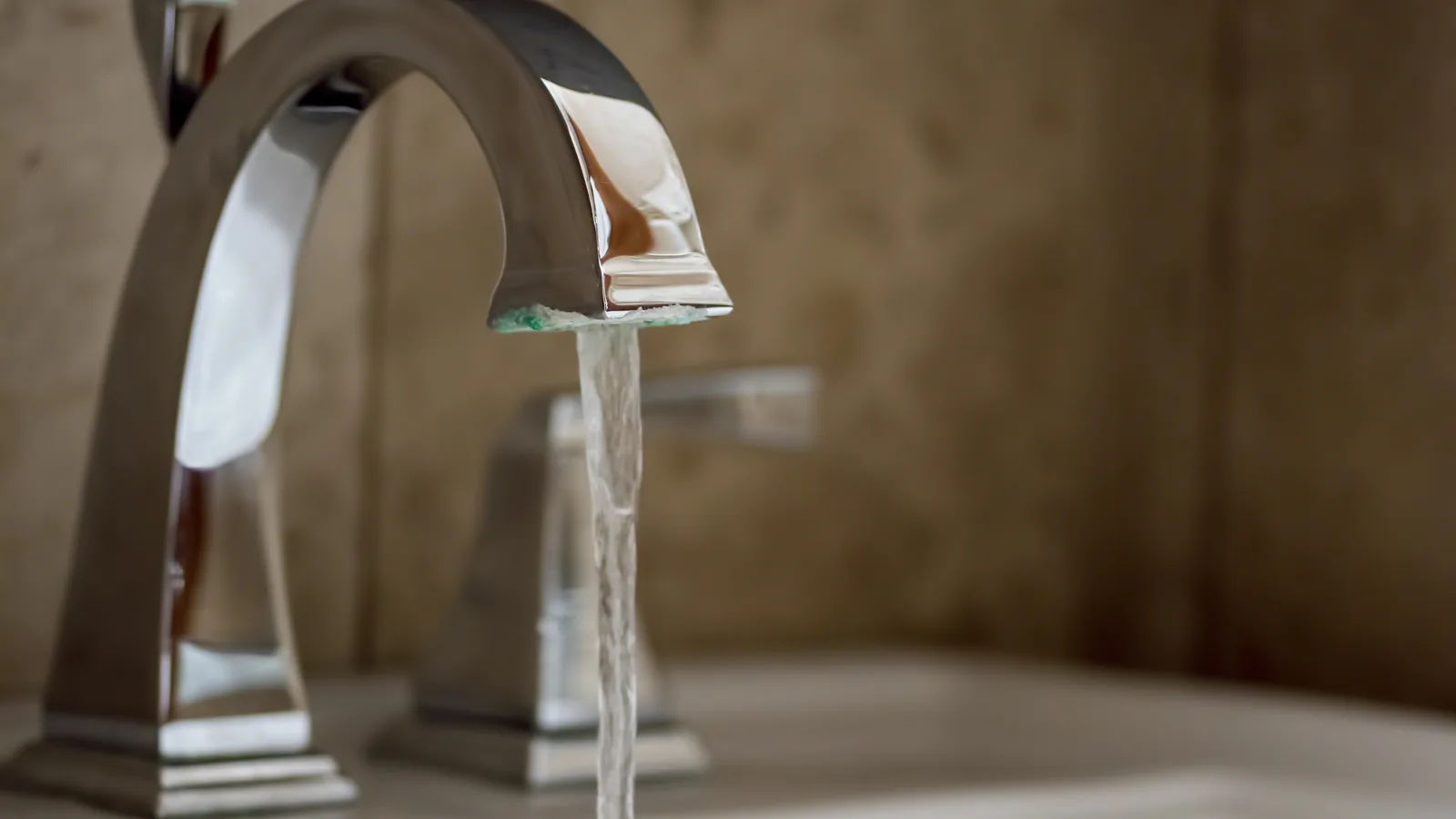
A bathroom faucet bought this weekend, in a store or online, has to meet a federal definition of lead free that is far stricter than the one most older homes were plumbed under. Under the Safe Drinking Water Act, lead free now means a weighted average of no more than 0.25 percent lead across the surfaces of a pipe, fitting or fixture that touch water. Until Congress changed the law in 2011, the limit for pipes was 8 percent. Here is what the rule covers, what it leaves out, and how to check the packaging before the old faucet comes off.
What Lead Free Means Now
Section 1417 of the Safe Drinking Water Act sets the definition, and the Environmental Protection Agency enforces it. Two numbers matter:
- 0.25 percent lead, as a weighted average across the wetted surfaces of pipes, pipe fittings, plumbing fittings and fixtures.
- 0.2 percent lead for solder and flux.
The law bars the use of any pipe, fitting, fixture, solder or flux that is not lead free in the installation or repair of plumbing that provides water for people to drink, in homes and other buildings alike. It also bars selling those products into that market, unless they are meant for manufacturing or industrial use.
How the Limit Got Here
The EPA's summary of the law's history lays out three steps. In 1986, Congress first required lead free materials, defined then as solder and flux with no more than 0.2 percent lead and pipes with no more than 8 percent. In 1996, it required faucets and other end-point fixtures to meet voluntary standards for how much lead leaches into water, and banned selling plumbing products that were not lead free. In 2011, the Reduction of Lead in Drinking Water Act cut the limit for the wetted surfaces of pipes, fittings and fixtures from 8 percent to the 0.25 percent weighted average used today.
The EPA published a final rule on September 1, 2020, bringing its regulations in line with those changes. That rule added a requirement that took effect in September 2023: manufacturers and importers must now certify that their pipes, fittings, fixtures, solder and flux meet the lead free definition, through a consistent verification process.
What the Rule Does Not Cover
The law exempts plumbing used only for water that is not for drinking, and it names a list of specific products outside the requirement: toilets, bidets, urinals, fill valves, flushometer valves, tub fillers, shower valves, service saddles, fire hydrants and water main gate valves 2 inches or larger. A sink faucet is not on that list.
The rule also governs what is sold and installed now. It does not reach back to a faucet or a run of pipe that went in under the older limits.
How to Read the Box
The EPA's fact sheet on lead free certification marks, revised in June 2024, says eight certification bodies accredited by the American National Standards Institute currently certify plumbing products to the lead free requirement. Each has its own registered certification mark. The mark is usually on the front or back of the packaging, or engraved on the product itself, with identifier text near it that names the testing standard. The ones the EPA lists:
- NSF/ANSI/CAN 372 (also printed as NSF/ANSI 372): the product meets the federal lead content limits.
- NSF/ANSI/CAN 61: since October 2017, this standard also requires compliance with 372, and it adds tests for how much of other metals and other contaminants leach into the water.
- NSF/ANSI/CAN 61 and 372 together: both of the above.
- Annex G (printed as NSF/ANSI 61-G or similar): a retired designation that still shows up on some products and also indicates the lead free limits were met.
Some small packages and small parts carry no mark at all because there is no room for one. In that case, the EPA's fact sheet says contacting the manufacturer is the best way to confirm the product meets the requirement.
Before the Old Faucet Comes Off
If you are replacing a bathroom faucet over the long weekend, the check takes a minute at the store or on the product listing: look for one of the certification marks and the standard printed beside it. If you are buying online and the listing shows neither the packaging nor a certification, the EPA's advice for an unmarked product applies: ask the manufacturer before you buy.
Loading comments…