












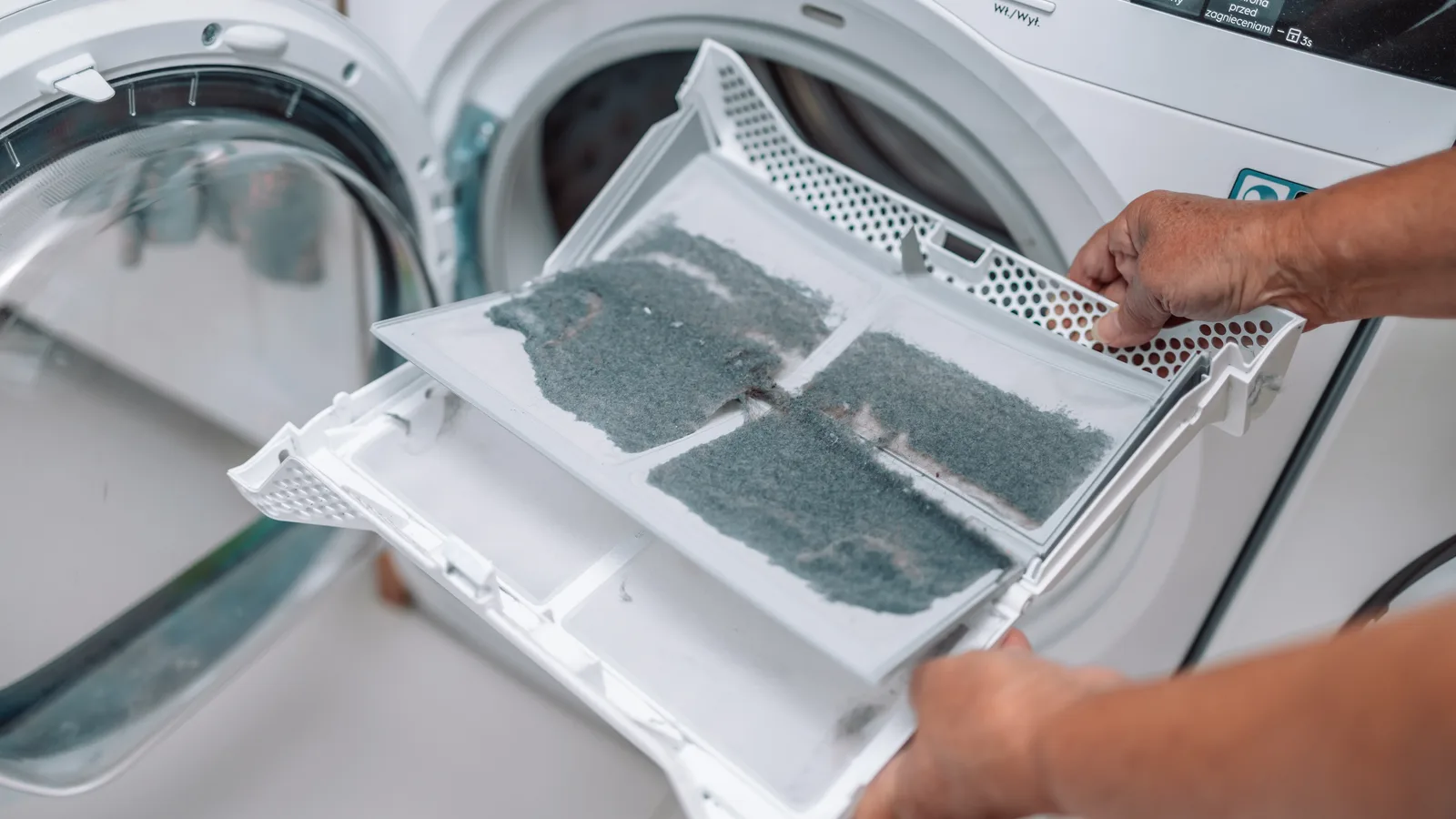
Clothes dryer fires in homes are not spread evenly across the year. The U.S. Fire Administration's study of fires reported to its National Fire Incident Reporting System found they ran higher in the fall and winter and peaked in January, which accounted for 11 percent of the year's residential dryer fires. The same study named the leading factor behind them: failure to clean, in 34 percent of cases. Clearing lint takes more than emptying the screen, though. Here is the whole path, from the drum to the flap on the outside wall, using the guidance of the Consumer Product Safety Commission and the Fire Administration.
What the Fire Data Shows
The Fire Administration's topical report, published in August 2012 and covering fires reported from 2008 through 2010 (the most recent data available when it was written), estimated 2,900 clothes dryer fires in residential buildings each year, causing an estimated 5 deaths, 100 injuries and $35 million in property loss annually. Residential buildings accounted for 84 percent of dryer fires in buildings of any kind.
In those residential fires, the item that caught first was most often dust, fiber and lint (28 percent) or clothing (27 percent). More than half, 54 percent, stayed confined to the dryer itself. The report explains why lint matters: as clothes tumble, they shed small fibers and debris. The filter traps much of it, but some is carried into the vent with the moist air, and a full load of wet clothes can hold as much as a gallon and a half of water to push out.
Step 1: The Lint Screen, Every Load
The CPSC says to clean the lint screen or filter before or after drying each load. The Fire Administration's safety flyer says before and after each cycle, and never to run the dryer without the filter in place. The CPSC lists two warning signs that the screen or the duct is blocked: clothes still damp at the end of a normal cycle, and drying that takes longer than usual.
Step 2: Behind and Under the Dryer
Both agencies point to the back of the dryer, where lint collects outside the machine. The CPSC also advises keeping the whole area around the dryer clean and free of clutter.
Step 3: The Duct
Check the transition duct between the dryer and the wall. The Fire Administration says to make sure the venting is not damaged, crushed or restricted. The CPSC goes further on materials: it recommends replacing plastic or foil accordion-style duct with rigid or corrugated semi-rigid metal duct, noting that most dryer manufacturers specify metal duct for maximum airflow, and that flexible plastic or foil traps lint more easily and kinks or crushes more readily.
The CPSC also says to clean the dryer vent and exhaust duct periodically. Clearing a blockage may mean disconnecting the duct from the dryer; the agency's reminder is to reconnect it to both the dryer and the outside vent before using the dryer again.
Step 4: The Outside Flap
With the dryer running, go outside and find the exhaust hood. The CPSC says to confirm exhaust air is coming out; if it is not, the vent or duct may be blocked. The Fire Administration adds that the outdoor vent covering should open while the dryer operates.
Step 5: Inside the Cabinet
Lint also builds up inside the dryer's chassis, where a homeowner cannot easily reach. The CPSC recommends having a qualified service person clean the interior periodically, and the Fire Administration recommends having the dryer installed and serviced by a professional.
One More Load to Handle Differently
The CPSC singles out clothes soiled with volatile chemicals such as gasoline, cooking oils, cleaning agents, or finishing oils and stains. It recommends washing them more than once and, preferably, hanging them to dry. If they go in the dryer, it advises the lowest heat setting and a cycle that ends with a cool-down period, and taking the clothes out promptly rather than leaving them in the drum or piled in a basket.
Electrical, gas, roof and ladder work can cause serious injury. Shut off power or gas first, follow the manufacturer's instructions and local code, and hire a licensed pro for anything beyond your experience.
Loading comments…