












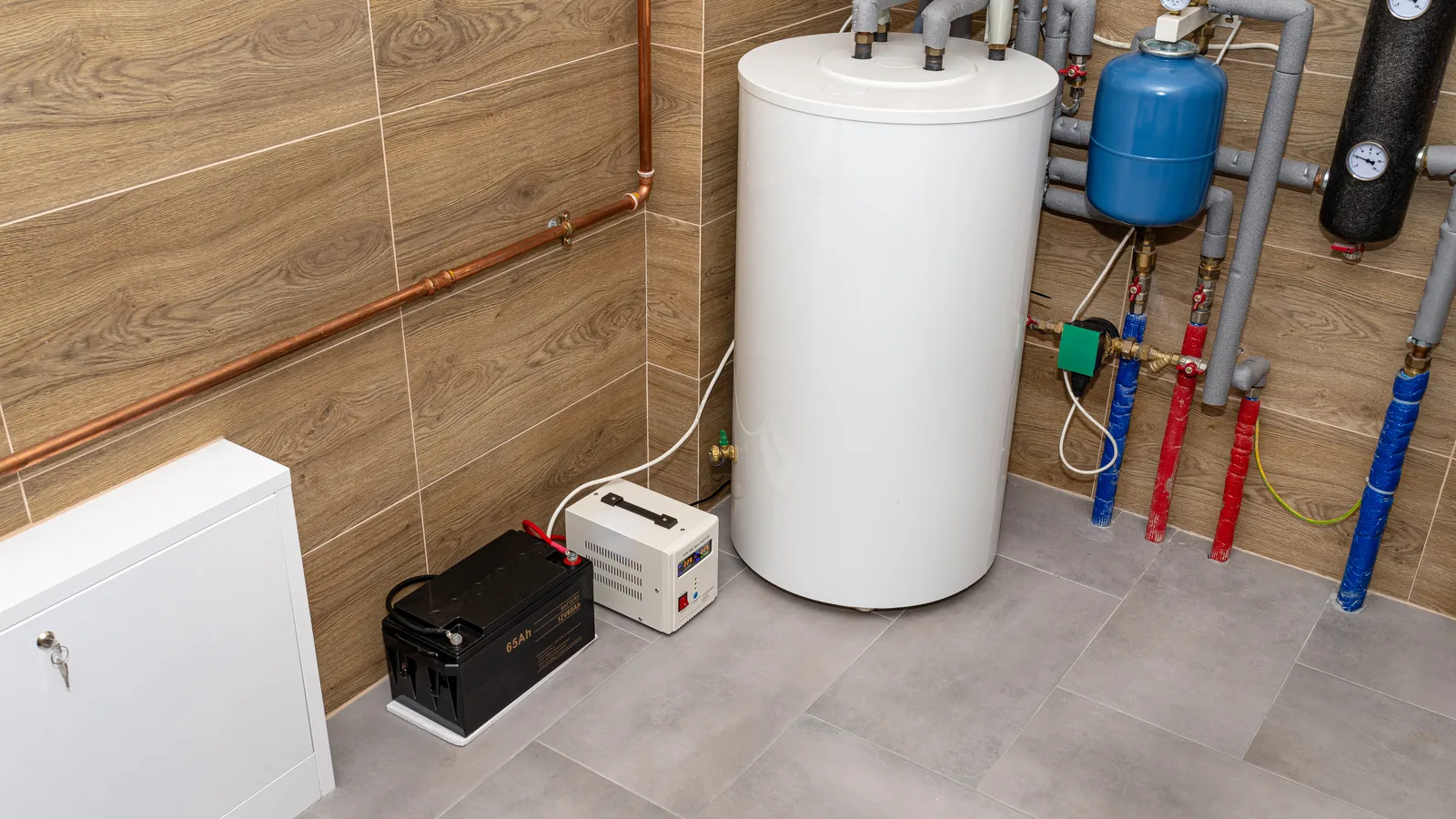
The Bay Area Air District's board voted on November 4, 2026 to push back its zero-NOx standard for residential gas water heaters by one year, to January 1, 2028, and to carve out exemptions for lower-income owners and for homes where an electric replacement is hard to fit. The standard stays. Since no gas water heater on the market emits zero nitrogen oxides, the district says replacements will in practice be electric, typically heat pump, models.
The rule covers nine Bay Area counties, and it sets a pollution limit that, by the district's account, only electric water heating can meet today. The district's FAQ says the California Air Resources Board is planning similar rules under its 2022 State Strategy for the State Implementation Plan, so homeowners well outside the Bay Area have reason to understand how it works.
What the board changed this month
The vote amended Regulation 9, Rule 6, which has limited NOx from gas-fired water heaters since 1992 and was tightened to a zero-NOx standard in 2023. According to the district's November 4 news release and its November overview, the amendments do the following:
- Move the compliance date for small water heaters (under 75,000 BTU per hour, typically the tank in a house) from January 1, 2027 to January 1, 2028.
- Exempt low-income property owners: households at or below 80 percent of Area Median Income, participants in programs such as Medi-Cal or CalFresh, and owners spending 28 percent or more of gross household income on mortgage costs and property taxes.
- Exempt properties without the physical room or ventilation space for a compliant unit.
- Exempt properties with electrical limits, such as service under 100 amps for a single-family home, too little breaker capacity, or a water heater location that would need more than 50 feet of new conduit.
- Allow temporary installations in emergencies.
- Give water heaters in multifamily buildings and deed-restricted affordable housing, plus certain product types (hydronic units, specialized high-heat uses and large water heaters), until January 1, 2033.
Water heaters of 30 gallons or less and those in mobile homes do not have to meet the zero-NOx standard. Gas stoves, dryers, fireplaces and propane equipment are not covered.
What happens when an existing heater fails
No one in the district has to pull out a working water heater. The standard applies to appliances manufactured after the compliance date and to replacements: when a tank fails after January 1, 2028, the new one has to meet the zero-NOx limit unless the property qualifies for an exemption. The district says it will issue exemption certificates through a website, and that an owner or contractor can use a certificate to buy and install a gas unit. Owners can self-certify for the income and space exemptions; the electrical exemption needs a contractor's help. The space and electrical exemptions can be used once per address, giving the owner until the next replacement, roughly 13 years by the district's estimate, to make upgrades.
Furnaces and larger systems
The November vote covered water heaters only. Rule 9-4, the companion furnace rule, was not amended. The district's FAQ, last revised in July, lists January 1, 2029 as the zero-NOx date for residential and commercial furnaces and January 1, 2031 for water heaters between 75,000 and 2 million BTU per hour, typically commercial and multifamily systems. The November release moves some multifamily and large-unit categories to 2033, so owners of those systems should check the adopted rule text.
Why the district says it is doing this
The district's analysis attributes as many as 85 premature deaths and up to 15,000 asthma attacks a year in the Bay Area to pollution from gas water heaters and furnaces. Its FAQ says residential gas combustion produced roughly as much NOx in 2019 as passenger vehicles in the region, and that furnaces and water heaters, which vent outdoors, account for about 90 percent of emissions from building appliances.
What a heat pump water heater means for any homeowner
A heat pump water heater pulls heat from the surrounding air instead of burning fuel. The district says heat pumps can be three to four times as efficient as comparable gas appliances, and that models built for homes with standard 100-amp service have been on sale since fall 2022.
ENERGY STAR estimates that a certified heat pump water heater saves a four-person household about $550 a year compared with a standard electric water heater, about $5,610 over a 13-year life, with the higher purchase price paid back in about 2.7 years. A two-person household saves about $270 a year, with a payback of about 5.5 years. Those figures assume electricity at 14.6 cents per kilowatt-hour and a $1,503 price difference over a standard electric tank; savings against a gas tank depend on local gas and power rates.
ENERGY STAR's buying guidance adds several practical points. The unit needs an indoor space that stays between 40 and 90 degrees Fahrenheit all year with about 1,000 cubic feet of air around it, and it cools the room it sits in. In colder climates it may switch to backup electric heating in winter, which raises energy use. Installers may need time to order a model, so the agency suggests planning before the old tank fails, and filters may need annual service.
Electrical, gas, roof and ladder work can cause serious injury. Shut off power or gas first, follow the manufacturer's instructions and local code, and hire a licensed pro for anything beyond your experience.
This article reports rules, data and expert guidance. It is not legal, tax, insurance or financial advice. Talk to a licensed pro, your tax advisor or your insurer before you act on it.
Bay Area owners can find the compliance timeline, exemption details and rebate links on the district's Building Appliances page at baaqmd.gov/building-appliances. Anywhere else, the capacity of your current tank is printed on its nameplate or yellow EnergyGuide label, and the ENERGY STAR Rebate Finder lists utility rebates for certified heat pump models by ZIP code.
Sources
- Bay Area Air District: Rules 9-4 and 9-6 Building Appliances
- Bay Area Air District: Board of Directors adopts water heater rule amendments and delays implementation to January 2028 (news release, November 4, 2026)
- Bay Area Air District: Water Heater Rule Amendments Overview, November 2026
- Bay Area Air District: Frequently Asked Questions About Air District Appliance Rules
- ENERGY STAR: Heat Pump Water Heaters
- ENERGY STAR: Heat Pump Water Heater Savings and Benefits
Loading comments…