












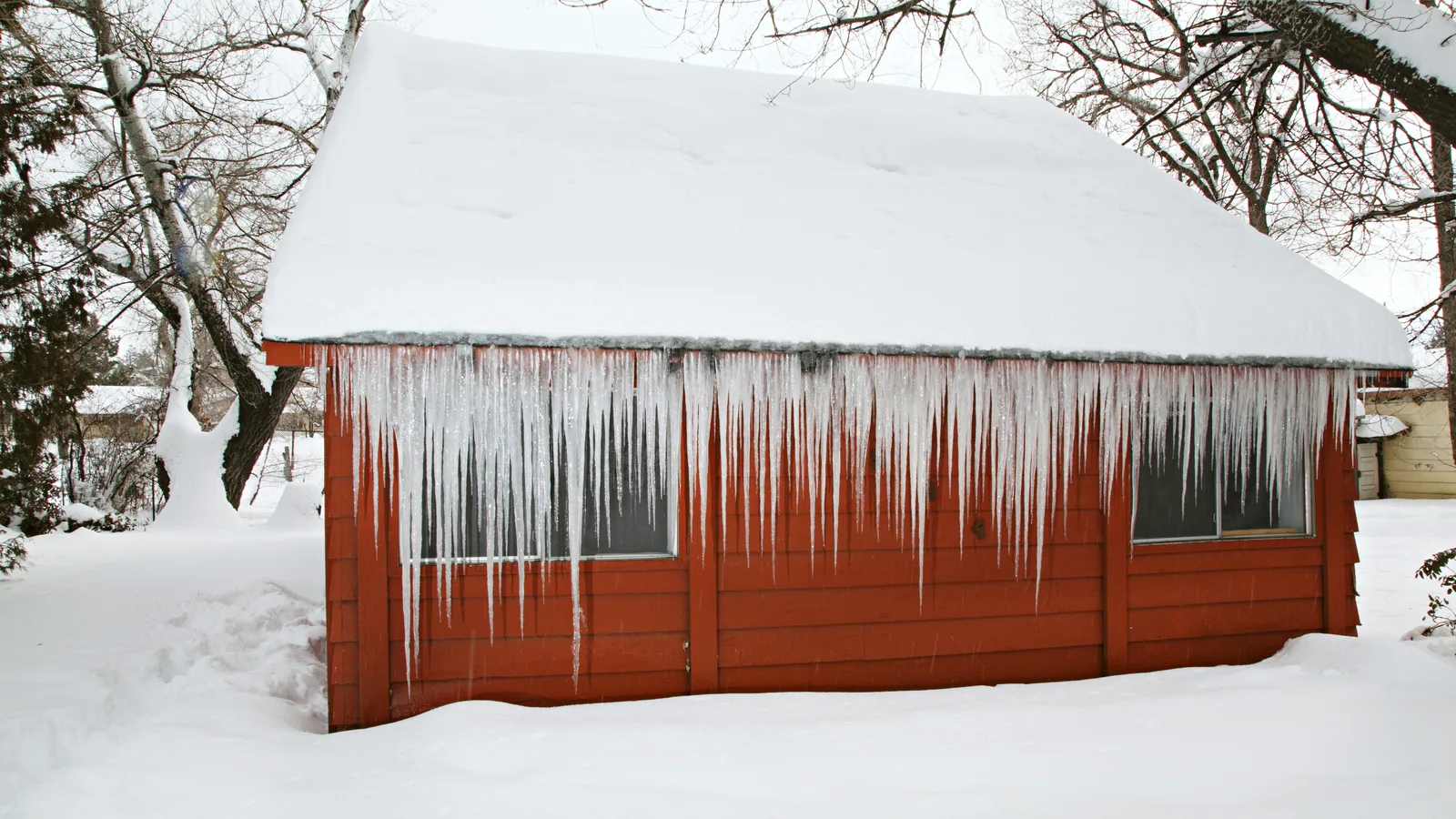
Water damage and freezing made up 22.2 percent of homeowners insurance losses incurred in 2024, according to Verisk Analytics figures published by the Insurance Information Institute (Triple-I). Across 2020 to 2024, that category produced an average of 1.42 claims per 100 house-years, with an average payment of $17,240 per claim, by ISO data (a Verisk business) covering HO-2, HO-3 and HO-5 policies nationwide except Alaska, Texas and Puerto Rico, and excluding renters and condo policies. Triple-I works that out to about one insured home in 70 with a water or freezing claim each year. A burst pipe in winter is one of the most common ways a household lands in that count, and how a standard policy handles it turns on a few specific conditions.
Sudden and Accidental Versus Slow and Gradual
The National Association of Insurance Commissioners (NAIC) explains that homeowners policies are built to cover water that escapes from a plumbing system suddenly and accidentally. A pipe that splits during a hard freeze and floods a kitchen fits that description.
A slow leak is treated differently. The Washington State Office of the Insurance Commissioner says gradual leaks are usually not covered even when the owner did not know about them: a faucet that drips for months, water working through foundation or wall cracks, or damage that builds over more than a couple of days. Insurers generally file those under maintenance rather than accident. The same office says sudden leaks are usually covered when they are reported quickly and the owner follows the insurer's repair recommendations.
The Heat Condition
Frozen-pipe coverage carries a condition. NAIC says policies often pay for the resulting water damage only if the homeowner took reasonable steps to keep the pipes from freezing. In practice, policies generally expect a minimum indoor temperature to be kept, or the water supply to be shut off when the home is vacant. If the insurer concludes those steps were skipped, the damage may not be covered.
Vacancy adds a second layer. A June 2025 Triple-I article notes that most homeowners policies include a vacancy clause that limits or excludes coverage once a home sits unoccupied, typically for 30 to 60 consecutive days. It describes a denied claim on a home left empty more than 60 days, where a pipe burst in a freeze and repairs topped $60,000. The same article lists keeping winter heat at 55 degrees Fahrenheit or higher, and shutting off the water or fully winterizing the plumbing, among the precautions for an empty house. The exact number of days and the definition of vacant are in each policy, so the policy itself is the place to check.
The Damage Versus the Pipe
The regulator and Triple-I pages describe coverage for the water damage a burst causes: soaked drywall, flooring, cabinets and belongings. None of them says a standard policy pays to fix the failed pipe itself, and Washington's office notes that plumbing in older homes may simply be past its expected life. Whether the policy pays for the plumber's repair, and for opening a wall or ceiling to reach the break, depends on the policy wording, which is why it is a question for the insurer before work begins.
Two other limits can apply. Washington's office says many policies offer only limited mold coverage, and only when the mold comes from a covered loss such as a sudden burst. In May 2024 the same office warned that some insurers had considered optional water damage sublimits, which cap water recovery at an amount below the policy's overall limit (its example: a $10,000 water sublimit on a $500,000 policy). The declarations page shows whether one is in place.
Water From a Pipe Is Not a Flood
NAIC draws the line by source. Water from the home's plumbing or a roof leak is typically covered by a homeowners policy. Water from groundwater, rain runoff or snowmelt is flood, which a standard policy excludes and which requires a separate policy through the National Flood Insurance Program or a private insurer. A pipe that bursts in a basement is plumbing; the same basement filling from melting snow outside is flood.
The Claim Steps Triple-I Lists
- Call the insurer or agent right away and ask whether the loss is covered, how long the filing window is, whether it will exceed the deductible and whether structural repair estimates are needed.
- Photograph or video the damage, then take reasonable steps to prevent more of it, such as shutting off the water. Keep receipts for those temporary repairs; Triple-I says most policies reimburse them.
- Keep damaged items until the adjuster has seen them, and prepare a list of what was lost with any receipts.
- Return claim forms promptly. Insurers must send them within a period set by state law.
- Save every receipt for extra costs if the home is not livable. Most homeowners policies include additional living expenses, but the costs have to be documented.
Claim-handling deadlines and payment timing are set state by state. Each state's department of insurance, listed on the NAIC website, answers questions about the local rules and takes complaints. The questions to bring to an agent before a freeze: what indoor temperature or shutoff the policy requires, how many days before the vacancy clause applies, whether the pipe repair and tear-out are included, and whether a water damage sublimit is on the declarations page.
This article reports rules, data and expert guidance. It is not legal, tax, insurance or financial advice. Talk to a licensed pro, your tax advisor or your insurer before you act on it.
Sources
- Insurance Information Institute: Facts + Statistics: Homeowners and renters insurance
- NAIC: Will My Homeowners Insurance Policy Cover Water Damage From a Burst Pipe?
- NAIC: Homeowners Insurance
- Insurance Information Institute: When No One's Home: Understanding the Role of Vacancy Insurance
- Insurance Information Institute: How to file a homeowners claim
- Washington State Office of the Insurance Commissioner: Leaks, water damage and mold
- Washington State Office of the Insurance Commissioner: Watch out for insurance policies that limit your coverage for water damage
Loading comments…