












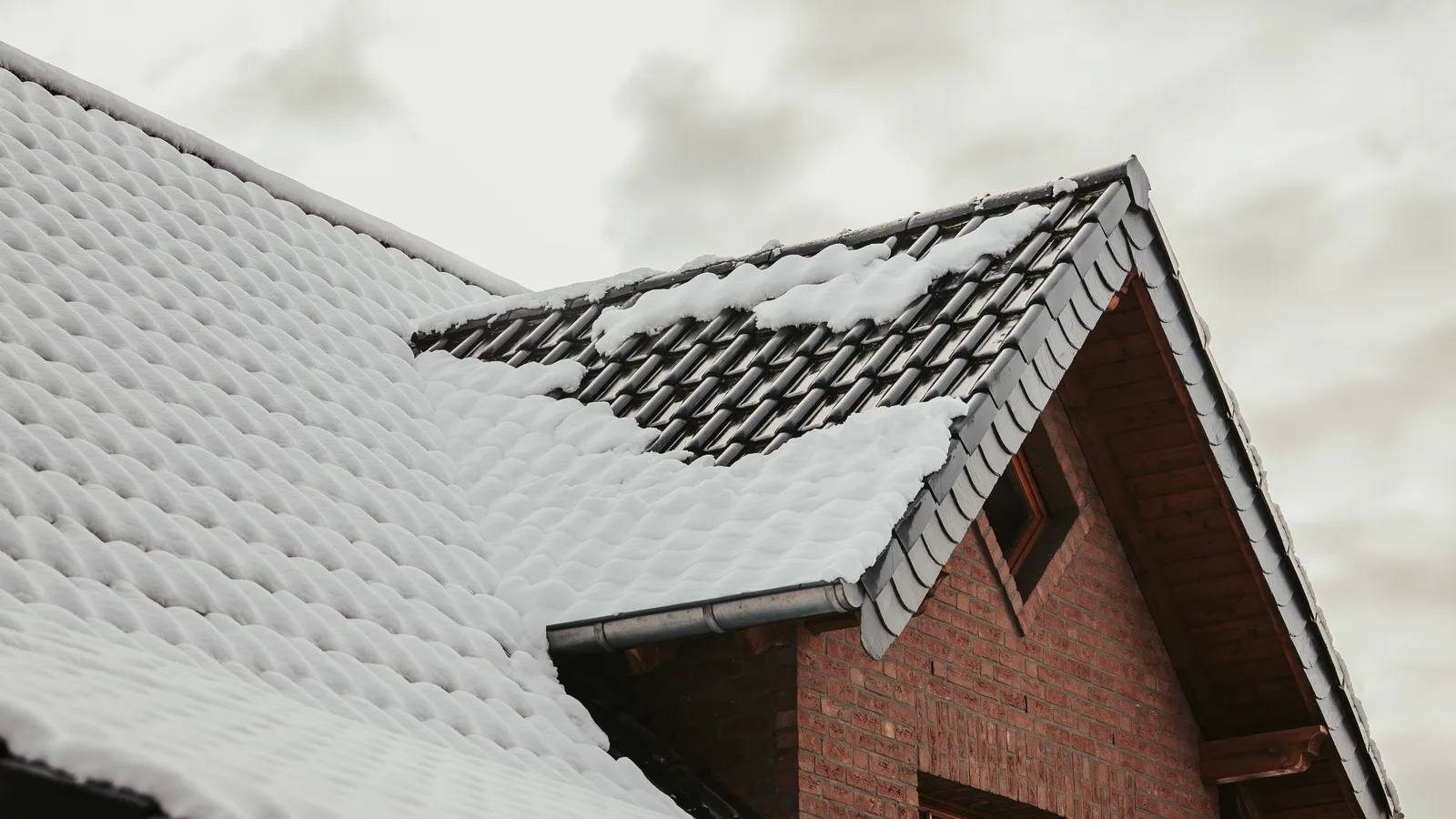
A house bought between December and March is often inspected under conditions that hide part of it. Snow covers the roof and the grading, ice coats the walkways, and the air conditioner sits idle in the cold. The inspection still happens, but the industry's own standard spells out what the inspector does not have to do in those conditions, and a buyer who knows those lines can ask the right follow-up questions before the inspection contingency runs out.
The reference here is the Standard of Practice of the American Society of Home Inspectors, the largest professional group for the trade, in the revision its members approved in January 2026. ASHI says the effective date of that revision will be announced. Many states also license home inspectors and set their own standards, and the inspection agreement a buyer signs says which one applies.
The roof
Under the ASHI standard, the inspector inspects the visible and accessible roofing materials, roof drainage systems, flashing, and skylights, chimneys and other roof penetrations, and describes the type of roofing in writing. Two lines matter in winter:
- The inspector is not required to walk on roofs. Many will not walk a snowy or icy one at all.
- The inspector must state in writing the method used to inspect the roofing, for example from the ground, from a ladder at the eaves, or with a drone or binoculars.
A roof under several inches of snow may have little or no visible material. When the report says the roof was viewed from the ground with snow cover, that is a statement of what was not seen, not a clean bill of health.
Snow, ice and anything in the way
The general limitations in the standard say the inspector is not required to move personal property, stored items, furniture, equipment, plants, soil, snow, ice or debris. Snow against the foundation can hide the grading and drainage around the house; snow on a deck or a walkway can hide the surface. The standard also says an inspector is not required to enter areas or perform procedures that, in the inspector's professional judgment, are likely to be dangerous or to damage the property.
The air conditioner
In the HVAC section, the inspector is not required to operate equipment when weather conditions or other circumstances may cause damage to the system. Because cold weather is the usual reason, the cooling side of a system is often reported as not operated in a winter inspection. The heating side, by contrast, is in season and is normally run.
What a buyer can do
- Read the limitations section of the report, which should list every system or area the inspector could not see or test and why.
- Ask about a return visit. Some inspectors offer a follow-up, such as a roof look after a thaw, for a separate fee.
- Look at the purchase contract's inspection deadline. If parts of the house could not be inspected, the time to raise it is before that contingency ends, and a real estate attorney or agent can explain the options the contract allows.
- Ask the seller for records: the roof's age and any warranty, and the last service date on the furnace and the air conditioner.
- Do not climb onto a snowy roof to look for yourself. A roofer with the right equipment can inspect it if the question matters.
Electrical, gas, roof and ladder work can cause serious injury. Shut off power or gas first, follow the manufacturer's instructions and local code, and hire a licensed pro for anything beyond your experience.
This article reports rules, data and expert guidance. It is not legal, tax, insurance or financial advice. Talk to a licensed pro, your tax advisor or your insurer before you act on it.
Loading comments…