












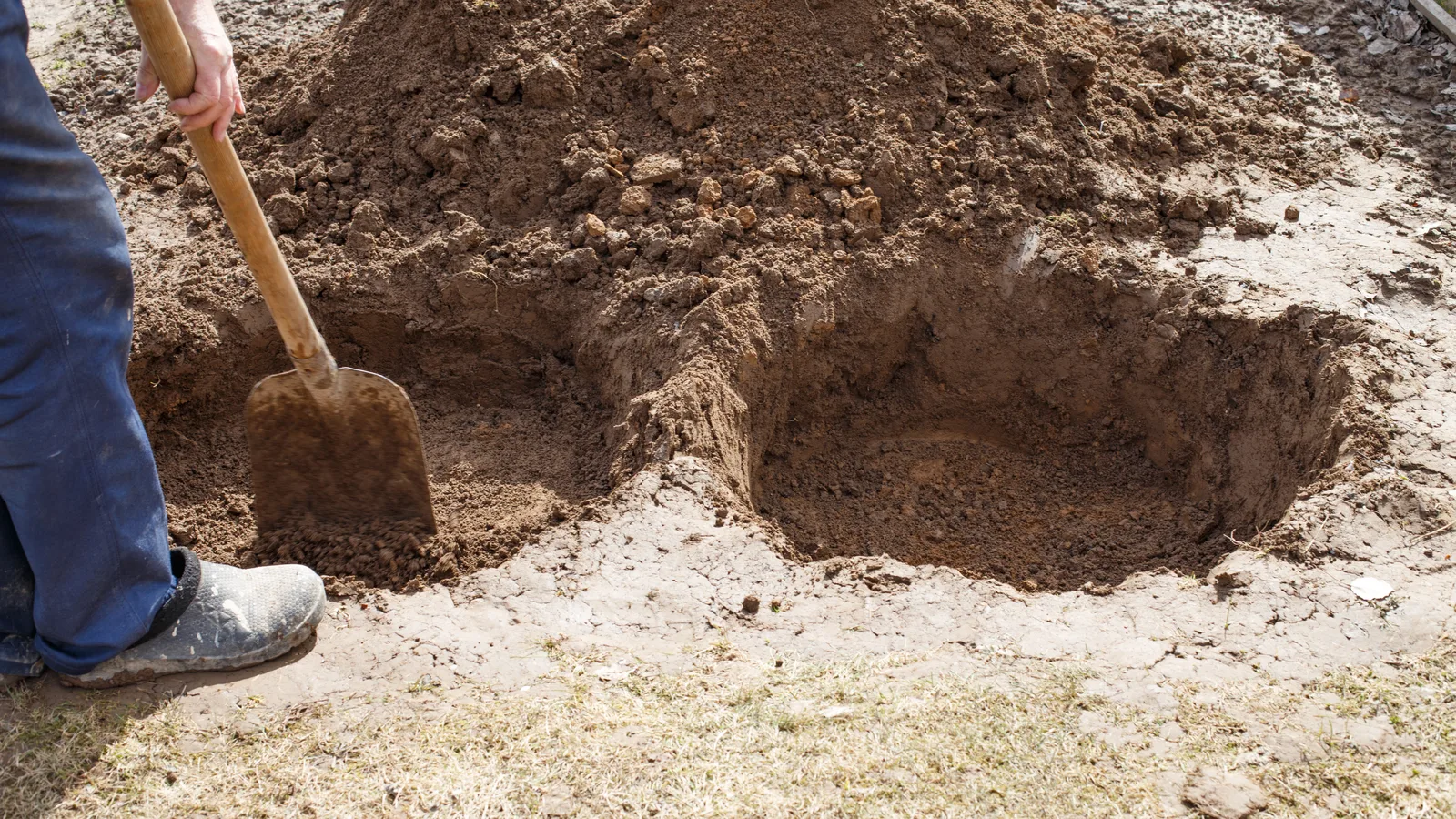
Wherever the ground has not frozen, late fall still brings yard jobs that start with a shovel: a tree, a row of shrubs, a fence post, a mailbox. Every one of them begins the same way, according to 811, the national call-before-you-dig program of the Common Ground Alliance: a request to the state's 811 center a few business days before the first shovel goes in, so that the buried utility lines on the property can be located and marked.
The program's guidance for homeowners breaks the job into five steps. None of them involves a tool.
Step 1: make the request
Dialing 811 from anywhere in the United States connects the caller to the 811 center for that state. Every state center also takes requests through its own website. Either way, the center asks where the digging will happen and what the project is, then issues a ticket number along with instructions on how long utilities have to respond and how to check that they have.
The center passes the request to the utility operators with lines in the area. On average, between seven and eight operators are notified for each request, the program says, which is a fair measure of how much is under an ordinary yard.
The program is direct about small jobs. Its guidance says any digging requires a request, and it names planting a garden, installing a fence and setting a mailbox as examples. Many utility lines are buried only a few inches below the surface, it notes, so a flower bed or a small shrub can reach one.
Step 2: wait
Each notified utility sends a locator to mark the approximate position of its lines with paint or flags. State laws set how long they have, and the waiting period differs from state to state. The program describes it as generally a few days, and its state directory lists the specific requirement for each one. Digging before that period ends defeats the purpose of the request.
Step 3: confirm every utility answered
Paint on the lawn is not the finish line. The program says a homeowner must use the information on the ticket, or the process the center's representative explained, to confirm that all of the notified utilities have responded before digging. Marks from some utilities are not proof that all of them have been out.
Step 4: read and keep the marks
Each type of utility is marked in its own color. Gas lines, for example, are marked in yellow paint or flags. The marks show approximate locations, not exact ones, and they are the guide for the whole project. If the marks cannot be kept visible until the work is done, or the project will run past the ticket's expiration date, which also varies by state, the program's instruction is to contact the 811 center and ask for a re-mark.
Step 5: dig around the marks, not on them
The program advises homeowners to avoid digging on top of the marks or within 18 to 24 inches on all sides of them. In a yard crowded with buried lines, that can mean moving a tree or a post to another spot. A homeowner who must dig near the marks, or who plans to use machinery of any kind, is directed to the program's guidance for excavators and to the state center for the law that applies there.
Marking only part of the yard
A request does not have to cover the whole property. For a project in one corner, the program suggests outlining the dig area in white paint or white flags, which home improvement stores sell, and telling the 811 center about it so locators mark only the lines in that area.
Three situations that still need a request
- The spot was marked before. Erosion and root growth can shift the depth or position of a line, and a utility may have done work since the last request. The program says to make a new request each time.
- A contractor or landscaper is doing the digging. The request still has to be made, by the contractor or by the homeowner. The program's advice is to ask which, and not to let work begin until it is done.
- The hole is shallow. Depth is not a safe guide, because some lines sit just under the surface.
What is at stake
Hitting a buried line can cut off service to a house or a neighborhood, bring repair costs and fines, and cause serious injury or death, the program says. The waiting period is the reason to make the request before buying the tree, not the morning it is delivered: with a ticket open and every utility confirmed, the hole can be dug the day the plant arrives.
The next step is the state directory on the 811 site, which links to each state's online request form and lists its waiting period and ticket life.
Electrical, gas, roof and ladder work can cause serious injury. Shut off power or gas first, follow the manufacturer's instructions and local code, and hire a licensed pro for anything beyond your experience.
Loading comments…