












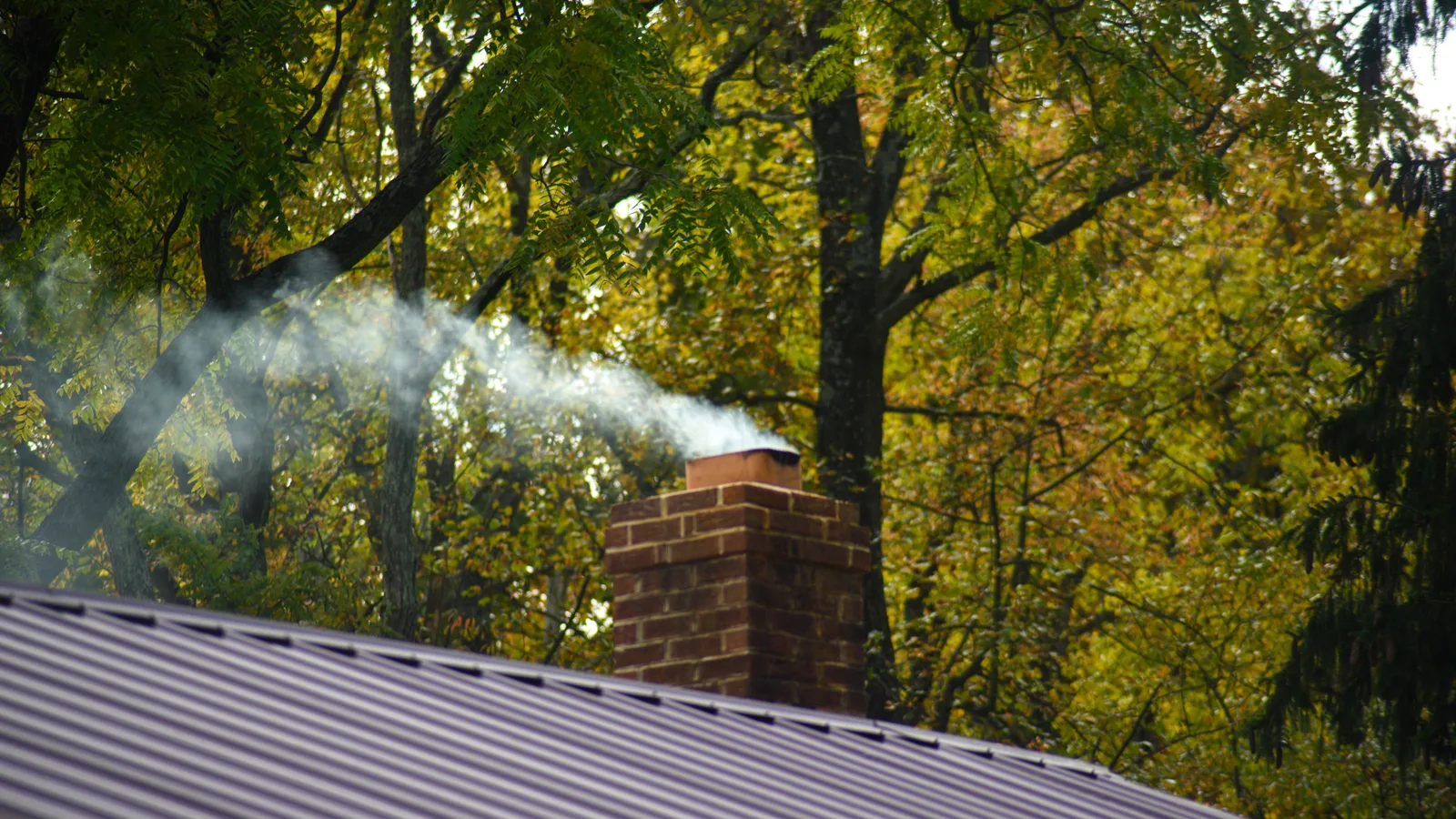
The national standard for chimneys, NFPA 211, calls for every chimney, fireplace and vent to be inspected at least once a year, checking that the structure is sound, that the flue is free of deposits and that clearances to anything combustible are correct, with cleaning and repairs done when the inspection finds a need. The Chimney Safety Institute of America (CSIA) follows that standard and notes that it applies even to a fireplace that barely gets used, because birds and other animals can build nests in an idle flue and masonry can deteriorate on its own.
The timing matters. The National Fire Protection Association (NFPA), using annual averages for 2016 to 2020, reports that 46 percent of home heating equipment fires happened in December, January and February. Larger fires involving fireplaces or chimneys, the ones that spread beyond the flue or firebox, made up 7 percent of fires caused by heating equipment in that period but 22 percent of the direct property damage.
How many heating fires there are
The U.S. Fire Administration (USFA) estimates that residential buildings in the United States had 27,900 heating fires in 2023, which caused 115 deaths, 525 injuries and $488 million in property loss. The estimates come from fire department reports to the National Fire Incident Reporting System and cover every heating source, from furnaces and space heaters to fireplaces. Across 2014 to 2023, the USFA counts a 31 percent drop in residential heating fires and a 44 percent drop in deaths. The USFA and the NFPA both advise having heating equipment and chimneys cleaned and inspected by a professional every year, and keeping anything that can burn at least 3 feet from a fireplace or wood stove.
What the inspection is looking for
The first concern is creosote. CSIA explains that smoke, water vapor, tar fog and unburned particles condense on the cooler walls of the flue and leave a residue that can be flaky and crusty, sticky and tar-like, or hard and glossy, often all three in one chimney. All of it burns readily. CSIA lists the conditions that speed its buildup: too little air (glass doors kept shut, a damper that is only partly open, a stove whose air inlets are turned down too early), unseasoned wood, a flue that runs cool, and a wood stove firebox packed full to stretch a burn.
CSIA recommends sweeping a masonry fireplace once sooty buildup reaches 1/8 inch, and sooner if any glazed creosote is present. Factory-built metal fireplaces should be swept whenever there is noticeable buildup, because the deposits are acidic and corrode the parts. A complete sweep covers the flue and the smoke chamber, not only the brick of the firebox, and CSIA suggests asking for a Level 1 inspection along with the sweep; that level is defined in NFPA 211.
The second concern is blockage. Nests, leaves and debris can close off a flue, and the Centers for Disease Control and Prevention (CDC) warns that a blocked chimney can let carbon monoxide build up inside the house. CSIA notes that chimneys serving oil and gas furnaces also collect nest material and debris, and that flue gases from high-efficiency gas furnaces can corrode an old clay liner until flakes of it block the flue. The Consumer Product Safety Commission (CPSC) says an annual heating system service should include a check of chimneys and flues for blockages, corrosion and loose or separated connections, and that tarps and debris from renovation work should never be left over a vent or chimney top. If the cap on top of the chimney is missing or damaged, the inspection is the time to ask about it.
Signs a chimney fire already happened
CSIA says most chimney fires are never noticed. A slow fire can still reach temperatures high enough to crack flue tiles and loosen mortar, and CSIA puts the temperature of a masonry chimney fire at around 2,000 degrees Fahrenheit. A loud one brings cracking and popping, heavy smoke, a hot smell and a deep rumble; that is a 911 call. The quiet kind leaves evidence a sweep can find: puffy, honeycombed creosote, a warped damper or metal connector, cracked or missing flue tiles, a discolored or bent rain cap, creosote flakes on the roof or the ground, roofing damaged by hot creosote, cracks in the outside masonry, and smoke escaping through mortar joints. A factory-built metal chimney damaged by a fire has to be replaced. After any chimney fire, CSIA advises not using the fireplace until it has been swept and evaluated, typically with a video camera run through the flue.
What goes into the firebox
The Environmental Protection Agency's Burn Wise program, which ran from 2009 to 2025 and whose site the agency now keeps as a historic record, laid out how to burn cleanly. Burn only dry, split wood seasoned for at least six months, stacked outdoors off the ground with only the top covered. The program's target for firewood was a moisture content under 20 percent, which a wood moisture meter can confirm; seasoned wood is darker, lighter and sounds hollow when two pieces are knocked together. Never start a fire with gasoline, kerosene or charcoal lighter fluid. Keep trash, cardboard, painted or pressure-treated lumber, plywood and driftwood out of the fire. Carry ashes out in a covered metal container and set it outdoors on a surface that cannot burn.
Electrical, gas, roof and ladder work can cause serious injury. Shut off power or gas first, follow the manufacturer's instructions and local code, and hire a licensed pro for anything beyond your experience.
This article reports rules, data and expert guidance. It is not legal, tax, insurance or financial advice. Talk to a licensed pro, your tax advisor or your insurer before you act on it.
Before the first fire of the season, book a sweep through the CSIA's certified professional search at csia.org, ask for a Level 1 inspection with the sweep, and have the furnace and its flue serviced in the same window.
Sources
- Chimney Safety Institute of America: Homeowner Resources
- Chimney Safety Institute of America: Preventing Chimney Fires
- Chimney Safety Institute of America: What You Need to Know After a Chimney Fire
- Chimney Safety Institute of America: Avoiding Carbon Monoxide Hazards
- NFPA: NFPA 211, Standard for Chimneys, Fireplaces, Vents, and Solid Fuel-Burning Appliances
- NFPA: Safety with Heating Equipment
- U.S. Fire Administration: Residential Building Heating Fire Trends (2014-2023)
- U.S. Fire Administration: Heating Fire Safety
- U.S. EPA: Best Wood-Burning Practices (Burn Wise)
- U.S. Consumer Product Safety Commission: Carbon Monoxide Questions and Answers
- CDC: Carbon Monoxide (CO) Poisoning Basics
Loading comments…