












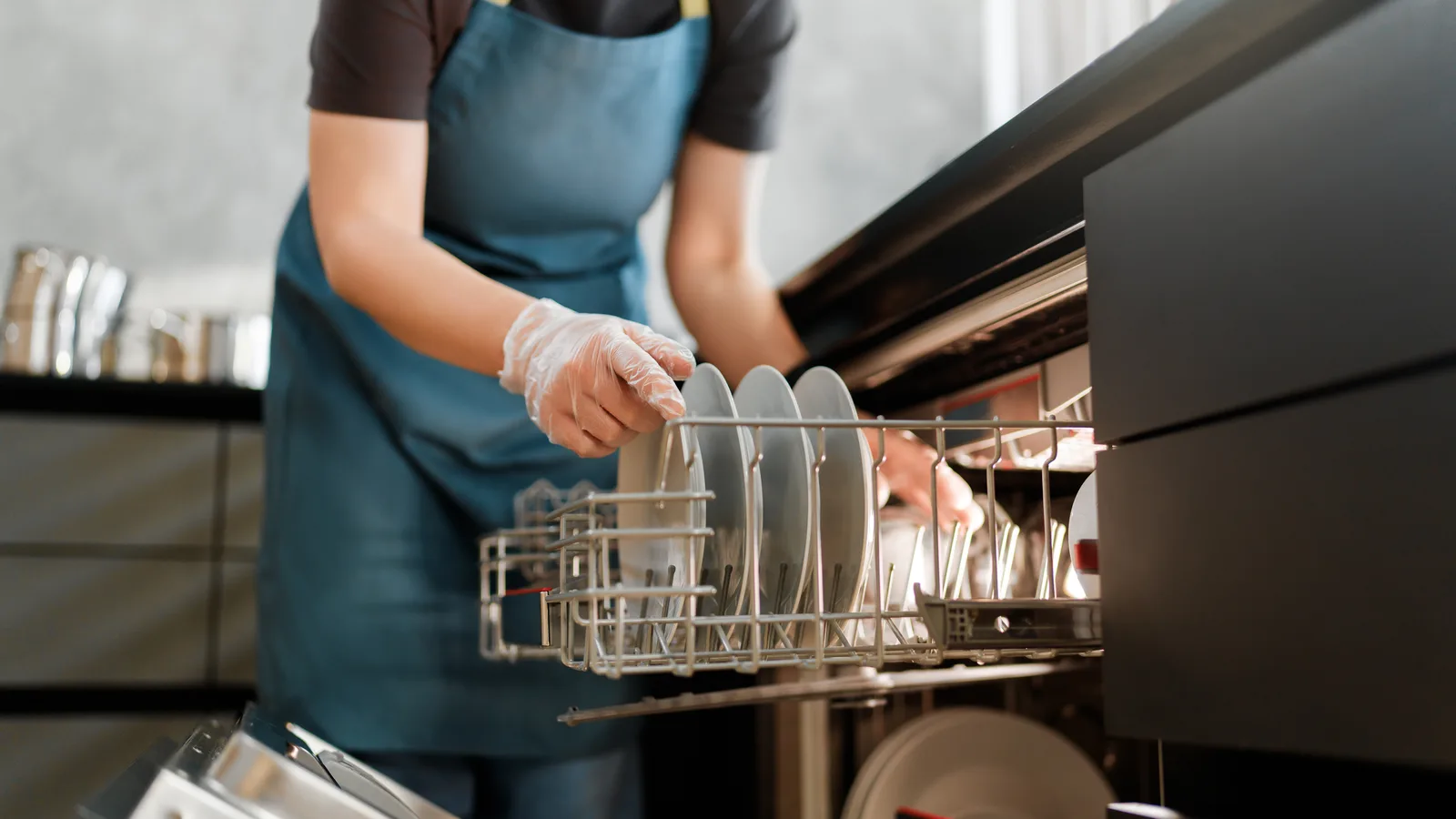
A standard-size dishwasher that carries the ENERGY STAR label costs about $50 a year to run, according to the federal ENERGY STAR program, which the Environmental Protection Agency manages. The same program estimates that washing those dishes by hand instead costs a household about $220 more a year in water and energy. With Thanksgiving on Nov. 26 and the heaviest dish week of the year ahead, here is what those figures count and what the label requires.
The yearly numbers, as ENERGY STAR states them
The program's dishwasher page gives national estimates, not a measurement of any one home. It says a new certified dishwasher, compared with hand washing, cuts utility bills by about $220 a year and by about $3,300 over the life of the machine. It says the machine uses less than half the energy of washing by hand and saves about 8,400 gallons of water a year. It also counts time: more than 230 hours a year, close to ten days, that a household does not spend at the sink.
The program separately says a certified standard-size model can save about 5,800 gallons of water over its lifetime, a figure it does not tie to hand washing. The page does not break the dollar figures down by local rates, so a household's own result moves with what it pays for water, for electricity and for the fuel that heats its water, and with how many loads it runs.
What a dishwasher has to do to earn the label
The current ENERGY STAR criteria took effect July 19, 2023. A standard model, defined as one that holds at least eight place settings plus six serving pieces, may use no more than 240 kilowatt-hours of electricity a year and no more than 3.2 gallons of water per cycle. A compact model, which holds less, is capped at 155 kilowatt-hours a year and 2.0 gallons per cycle. ENERGY STAR notes that a compact machine can end up using more energy over time than a standard one, because of its smaller capacity.
The energy figure covers running the machine, heating the water and drying the dishes. The program credits soil sensors, better filtration, more efficient spray jets and rack design for the lower numbers. It also says certified machines raise the water to 140 degrees Fahrenheit, which it describes as better disinfection than hand washing.
How the machine is loaded changes the bill
Three habits on the ENERGY STAR page affect what a load costs:
- Scrape, do not rinse. Rinsing dishes under the tap before loading adds to the water and energy used. The program says certified machines and current detergents are built to handle scraped dishes.
- Use the machine's rinse cycle for dishes that sit overnight. It uses a fraction of the water of rinsing by hand.
- Run full loads. A dishwasher uses about the same water and energy whether it is half empty or full.
A machine with a soil sensor adjusts the cycle to how dirty the water coming off the dishes is. On a machine without one, ENERGY STAR points to the light cycle for lightly soiled loads and to the option of turning off heated dry.
Reading the labels in a store
Two labels appear on new dishwashers and they answer different questions. The yellow EnergyGuide label, a Federal Trade Commission requirement, estimates a model's yearly energy use and operating cost and shows where it falls among similar models. The blue ENERGY STAR mark says the model met the efficiency criteria above. The program's product finder lists certified models, and its rebate finder searches utility rebates by ZIP code.
For a household deciding how to get through the holiday dishes, the practical check is the kitchen's own machine: its model number in the ENERGY STAR product finder shows whether it is certified and what it is rated to use per cycle.
Loading comments…