












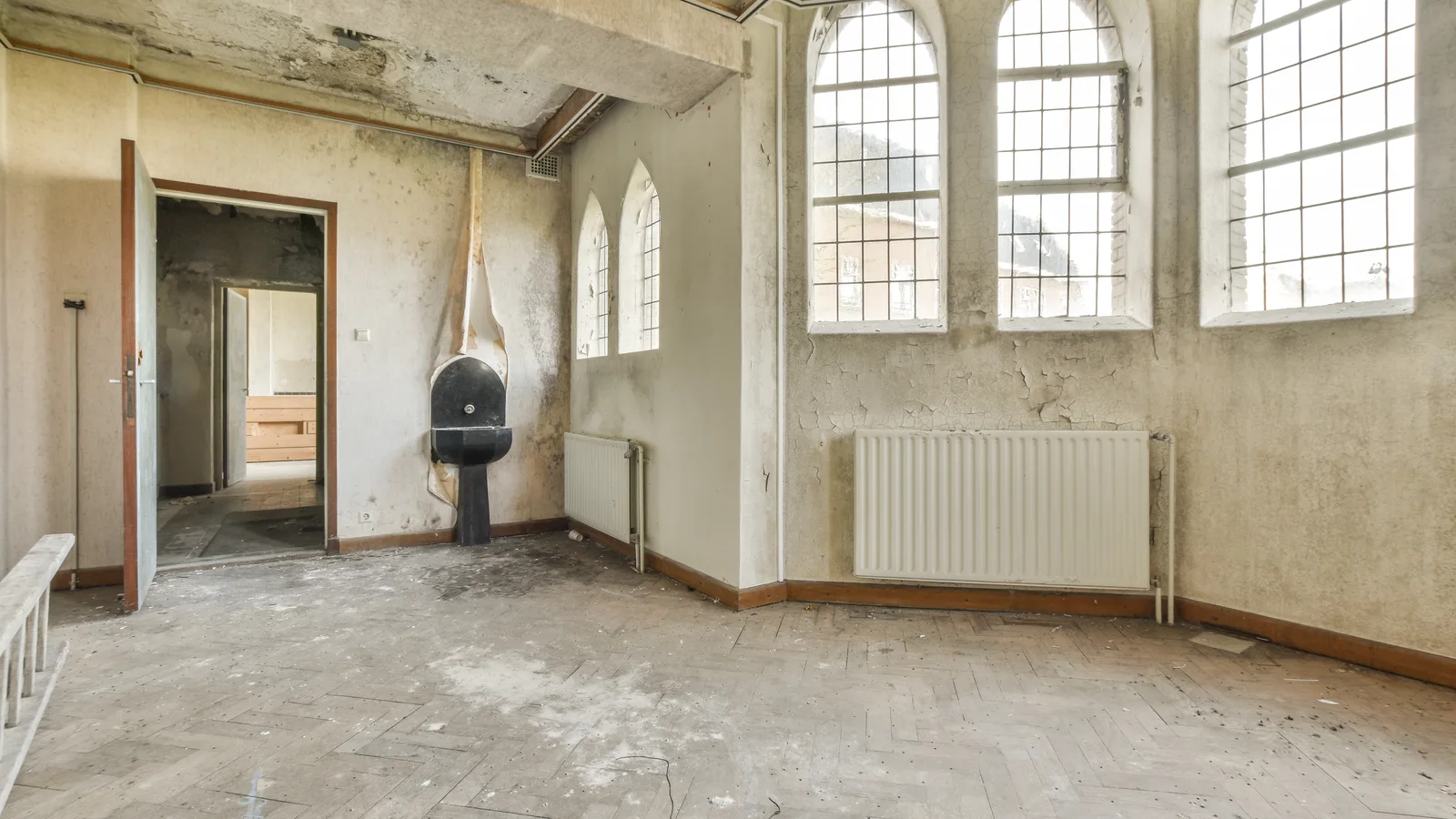
A house that needs a roof, a kitchen or a foundation repair usually means two financing problems: the mortgage and the money for the work. The Federal Housing Administration's 203(k) program combines them. It insures a single mortgage that covers both the property and the cost of repairing or improving it, and it is open to people buying a house and to people who already own one. The Department of Housing and Urban Development, which runs the program, offers it in two versions.
Limited 203(k): up to $75,000, no structural work
The Limited 203(k) lets a buyer or an owner finance up to $75,000 of repairs, improvements or upgrades into the mortgage. HUD describes it as the version for minor remodeling and non-structural repairs: the items a home inspector or an FHA appraiser flagged, a kitchen remodel, interior painting, new carpet, or work that readies a home for sale.
Standard 203(k): major and structural work
The Standard 203(k) is for major rehabilitation of a single-family property, including structural additions. The work must cost at least $5,000, and HUD's description gives no fixed dollar cap on the repairs themselves. The limit is on the whole: the total value of the property must still fall within the FHA mortgage limit for the area.
Who is involved
Three parties run a 203(k) project besides the borrower:
- An FHA-approved lender. The borrower chooses it with the lender at the start.
- A 203(k) consultant. The lender selects one from HUD's roster of approved consultants. The consultant visits the home with the borrower and prepares a work write-up and a cost estimate. HUD says this step is optional for the Limited version.
- A contractor, whose bids go to the lender along with the write-up.
The order of events
HUD lays the process out in three stages.
Origination. The borrower owns or finds a property that needs work, talks to an FHA-approved lender and selects the program. The consultant's write-up and the contractor's bids go to the lender, which processes, underwrites, closes and funds the loan and submits it to the FHA for insurance. Only then can improvements begin.
Repairs. The contractor pulls the necessary permits before work starts and completes the first phase. The borrower then asks the consultant for an inspection. If the consultant certifies that the work is satisfactory, the consultant and the borrower sign a draw release and send it to the lender, which issues a two-party check made payable to the borrower and the contractor together. The cycle repeats, phase by phase, until the job is done.
Completion. The borrower provides a release letter stating that all work is finished. The consultant verifies it and obtains the certificate of occupancy or the building permit close-out where one applies. Remaining escrow funds are then released, and the lender closes out the project.
What the structure means in practice
Two features follow from that sequence. The repair money is not handed to the borrower at closing. It sits in escrow and leaves in draws, each tied to an inspection, which is why the contractor is paid in stages rather than up front. And the paperwork comes first: the write-up, the estimate and the bids all have to reach the lender before the loan closes, so the scope of work is set before the purchase is final.
HUD's summary does not state interest rates, mortgage insurance premiums, consultant fees or how long a project may take. Those are set by the lender and by FHA policy in Handbook 4000.1.
Where to start
HUD's 203(k) page links to a consumer fact sheet, a search tool for approved consultants and a 203(k) calculator. The FHA mortgage limit for an area is listed on HUD's site, and an FHA-approved lender can say whether a planned project fits the Limited or the Standard version. Structural, electrical and gas work in either version requires permits, which HUD's process assigns to the contractor.
This article reports rules, data and expert guidance. It is not legal, tax, insurance or financial advice. Talk to a licensed pro, your tax advisor or your insurer before you act on it.
Loading comments…