












The average household's leaks waste more than 9,300 gallons of water a year, and nine percent of homes have leaks that waste 50 gallons or more a day, according to the Environmental Protection Agency's WaterSense program. Most of that comes from a short list of parts: worn toilet flappers, dripping faucets and leaking valves. EPA says fixing the easy ones can take about 10 percent off a water bill. Finding them takes two tests that cost nothing.
First, see whether the house is leaking at all
Read the winter bill. EPA suggests looking at water use in a cold month such as January or February, when no one is watering a lawn. If a family of four used more than 12,000 gallons in that month, the agency says there could be serious leaks.
Run the meter test. Write down the reading on the water meter, use no water for two hours, and read it again. That means no faucets, toilets, dishwasher, washing machine or ice maker. If the reading changed at all, EPA says there is probably a leak somewhere past the meter.
Then find it: start with the toilets
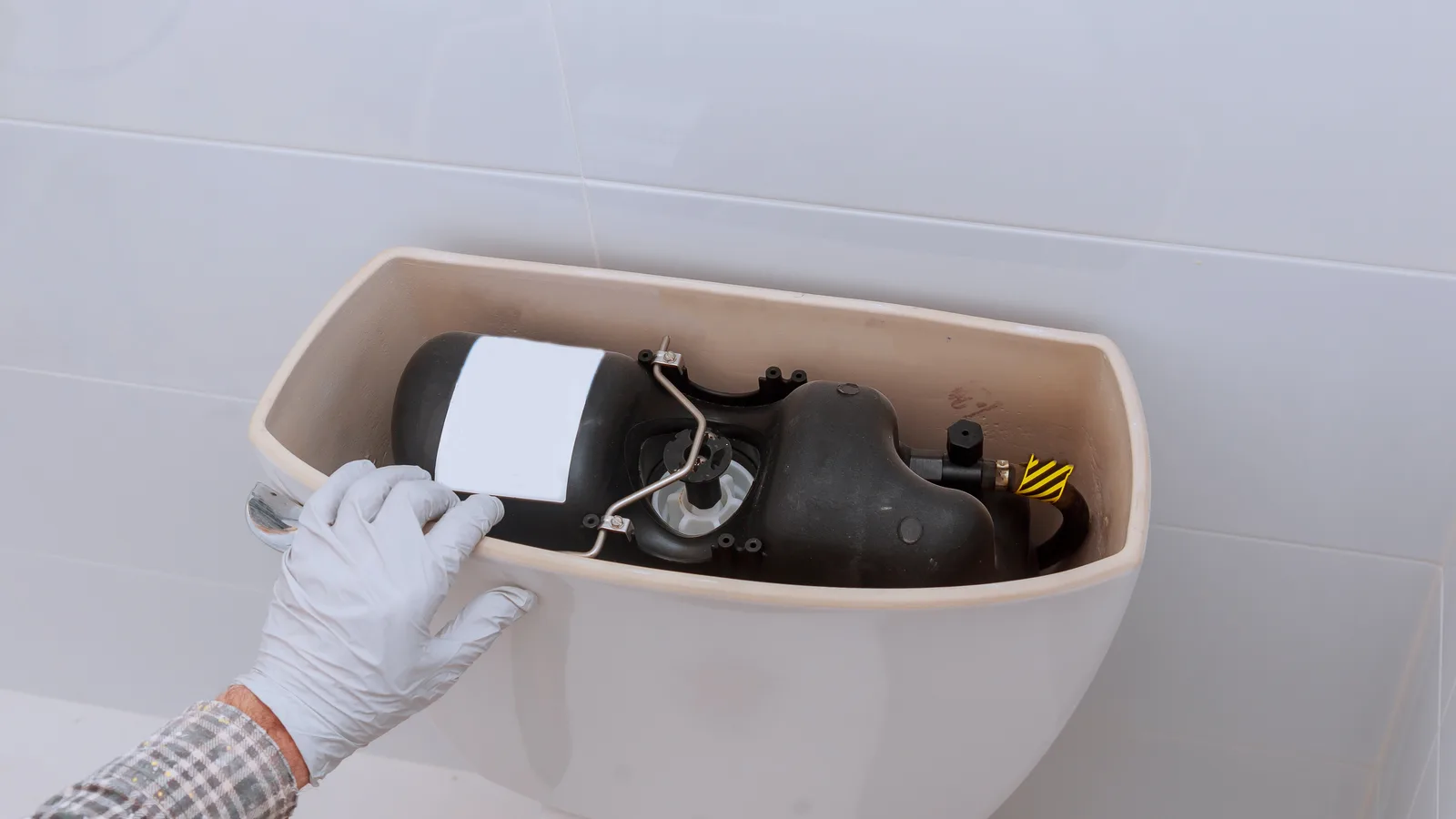
Toilets are the usual source, and a leaking one is often silent. The test is a few drops of food coloring in the tank, not the bowl. Wait 10 minutes without flushing. If color shows up in the bowl, water is slipping past the flapper. EPA adds one instruction: flush right after the test so the dye does not stain the tank.
The flapper is the rubber seal at the bottom of the tank that lifts when the handle is pressed. Rubber wears, and EPA says a flapper should be checked periodically and replaced at least every five years. A worn one can make a toilet refill on its own or leak thousands of gallons a year without a sound.
Replacing a flapper
- Shut off the water to the toilet first. EPA's reminder for any fixture repair is to turn off the water line before starting.
- Take the old flapper with you. EPA's advice is to bring it, or a photo of it, to the hardware store, because flappers differ in width and some have a foam float that also needs replacing. The toilet's owner's manual or the manufacturer's website lists the right part.
- Fit the new one, turn the water back on and repeat the dye test. No color in the bowl after 10 minutes means the seal is holding.
Faucets and showerheads
A faucet dripping once a second wastes more than 3,000 gallons a year, by EPA's count, and the usual cause is a worn washer or gasket inside the handle. A showerhead leaking 10 drips a minute wastes more than 500 gallons a year. For both, the agency's first instruction is the same as for the toilet: turn off the water line before taking anything apart. It also says to look at faucet gaskets and pipe fittings for water on the outside of the pipe, the sign of a surface leak.
When the meter still moves
If the toilets pass the dye test, the faucets are dry and the meter reading still changes over two hours, the leak is somewhere less visible: an outdoor spigot, an irrigation line or a pipe out of sight. EPA's page names a licensed plumber as the next call when a fix is beyond a homeowner. The two meter readings and the time between them are worth writing down first, since they tell the plumber how much water is moving.
EPA also describes leak detection and flow monitoring devices, which attach to the water line and alert a homeowner to unusual use, in a WaterSense guide linked from the same page. The agency holds its annual Fix a Leak Week each March, but the two tests work in any month, and a January bill is the one it suggests reading first.
Loading comments…