












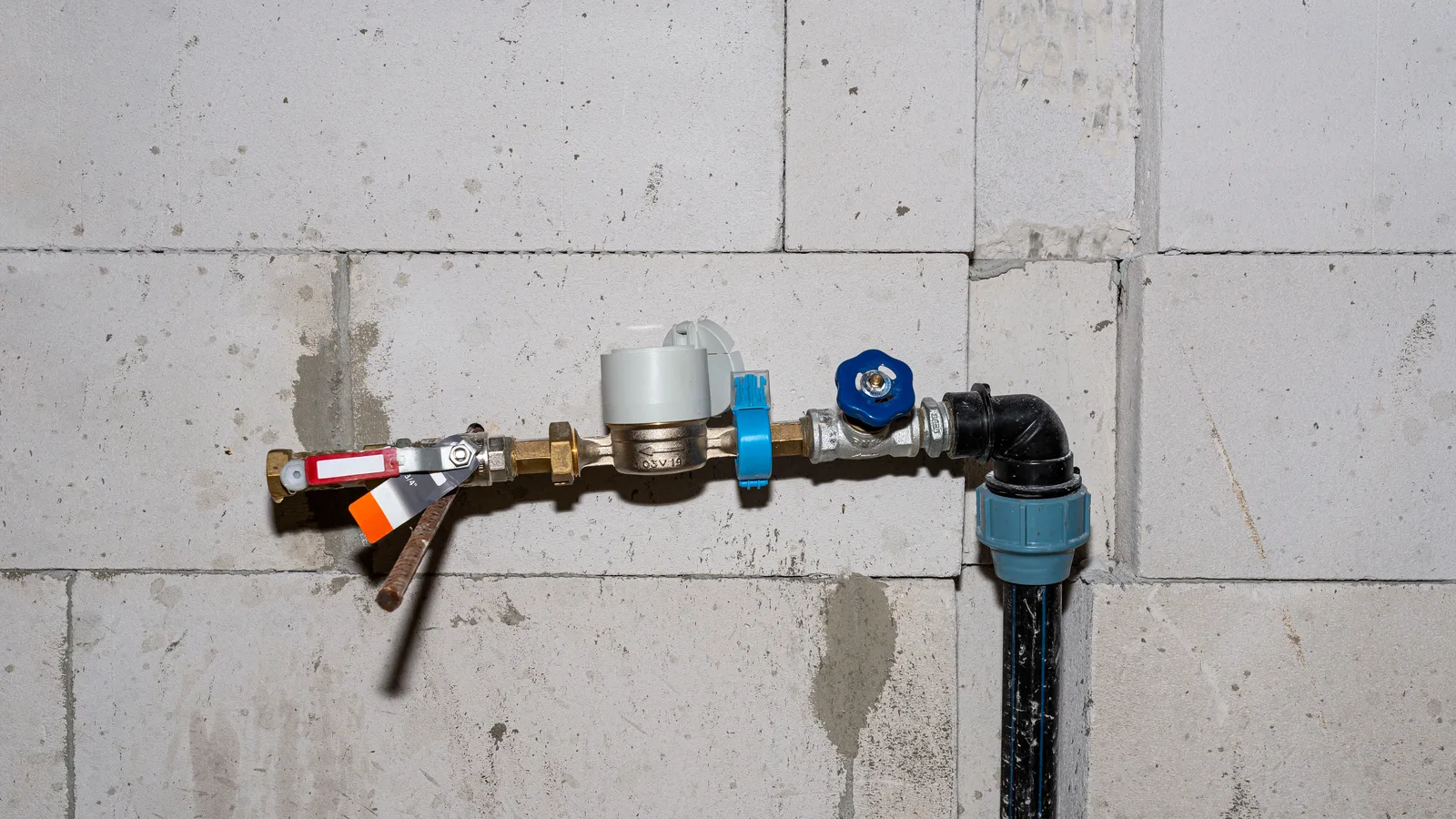
When a pipe freezes and splits, the water keeps coming until somebody closes the main valve, and the minutes spent hunting for it are the minutes that soak the floor. Ready.gov, the federal preparedness site run by FEMA, says to find the main water shutoff before anything goes wrong, tag it, make sure everyone in the house knows where it is, and confirm that it actually closes.
Step 1: find the valve
Ready.gov's instruction is to locate the shutoff valve on the main water line where it enters the house. The water utility can say where the service line enters a particular house when the valve is hard to find.
Step 2: tag it
Once found, the valve gets a tag, a bright label anyone in the household can spot, and everyone who might be home alone in an emergency, including a house sitter, gets shown where it is.
Step 3: test that it closes
Ready.gov says to make sure the valve closes completely, and if it is rusted open or will not close all the way, to replace it. The point of testing it ahead of time is to learn whether it works on a calm afternoon rather than in the middle of a leak.
Step 4: leave the street valve alone
Ready.gov warns against using the street valve in the cement box at the curb, which it describes as extremely difficult to turn and requiring a special tool. That valve generally belongs to the water utility. If the house valve fails, the utility is the call.
Why the main valve also protects the water heater
Ready.gov gives a second reason to close the main valve after a disaster: it keeps gravity from draining the water stored in the water heater and toilet tanks, which can be a household's emergency supply. It also says to leave the water off until authorities say the supply is safe to drink, because cracked lines can contaminate it.
Gas and electricity follow different rules
For gas, Ready.gov says shutoff procedures vary by meter, so the gas company should explain the one for each home, and the procedure can be practiced without actually closing the valve. If there is a gas smell or a hissing sound, the instruction is to open a window, get everyone out, shut the gas at the outside main valve if possible, and call the gas company from a neighbor's house. Once the gas is off, only a qualified professional can turn it back on.
For electricity, Ready.gov says to locate the circuit box and teach everyone responsible how to shut the power off, switching off all the individual circuits before the main breaker. Sparks can ignite leaking natural gas, which is why the agency pairs the two.
The step for this week is to walk the house, find the water valve, tag it and test it, and to call a licensed plumber about replacing it if it will not close all the way.
Electrical, gas, roof and ladder work can cause serious injury. Shut off power or gas first, follow the manufacturer's instructions and local code, and hire a licensed pro for anything beyond your experience.
This article reports rules, data and expert guidance. It is not legal, tax, insurance or financial advice. Talk to a licensed pro, your tax advisor or your insurer before you act on it.
Loading comments…