






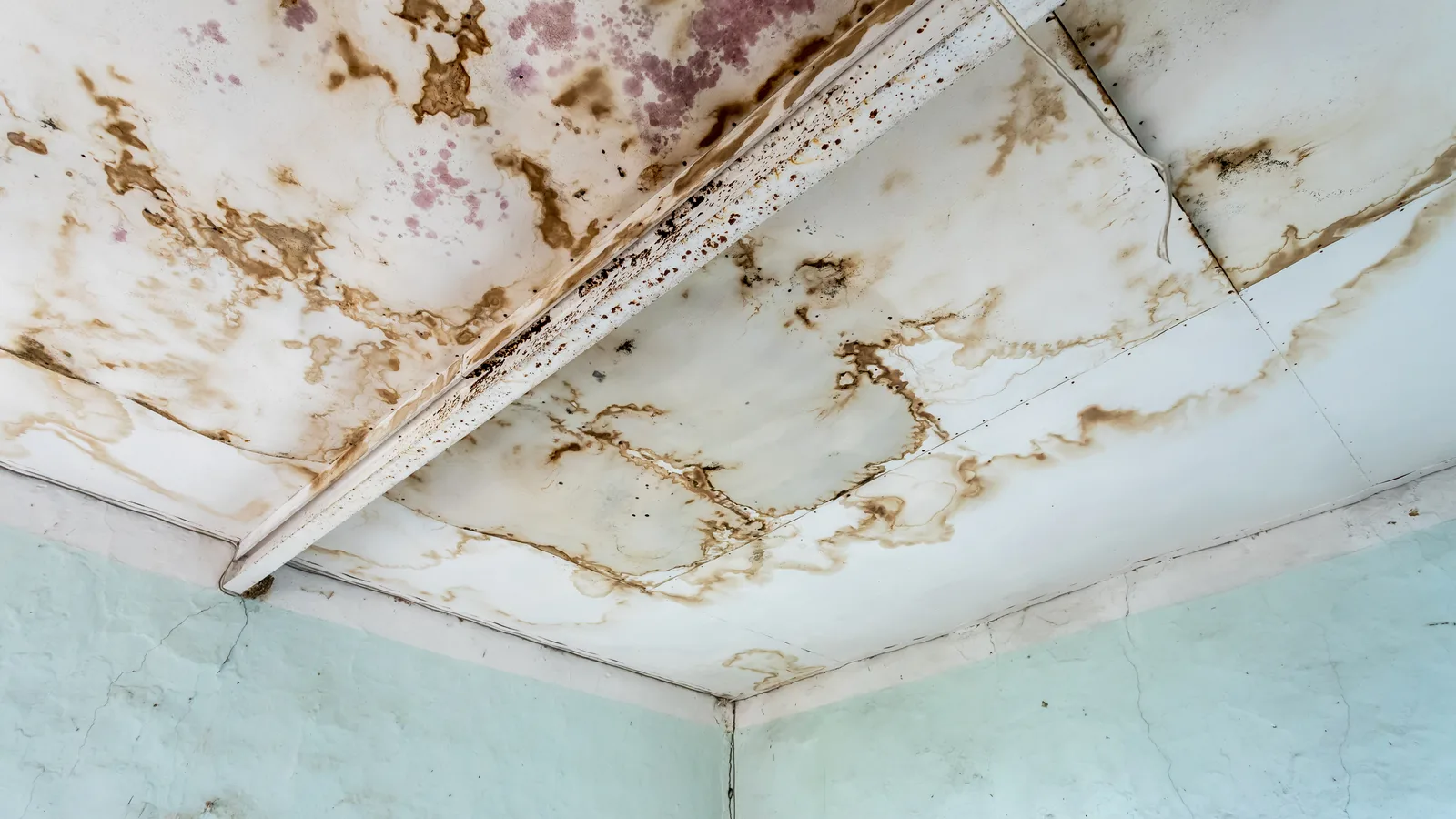
Among the causes of homeowners insurance claims that the Insurance Information Institute breaks out, water damage and freezing is the second most frequent in the United States, after wind and hail. From 2019 through 2023 it produced 1.50 claims for every 100 insured homes a year, and the average claim paid was $15,400, according to ISO data published by the Institute. Wind and hail produced 2.80 claims per 100 homes at an average of $14,747. Fire and lightning were far rarer, at 0.23 claims per 100, but averaged $88,170.
Water and freezing accounted for 22.6% of all homeowners losses paid in 2023, down from 28.7% in 2019. Across all causes, the average claim rose from $13,884 in 2019 to $20,062 in 2023, while the number of claims per 100 policies was about the same at the two ends of that period (5.37 and 5.33).
What the premium buys
The most recent national premium figures, from the National Association of Insurance Commissioners and also published by the Institute, are for 2022: the average homeowners premium on the common HO-3 policy was $1,569, up 11.2% from 2021. State averages ran from $893 in Oregon to $2,677 in Florida, with Louisiana ($2,603) and Texas ($2,397) next highest. The average renters policy cost $171. Those figures are four years old, and premiums since then vary by state, insurer and home.
What a standard form says about freezing
Most homeowners policies are built on standard forms from ISO, and the Institute posts a sample of the HO-3 form (edition HO 00 03 10 00) on its site. Individual policies, endorsements and state versions differ, so the declarations page and the policy itself govern any one claim. The sample form shows how the freezing peril is written.
It excludes damage caused by the freezing of a plumbing, heating, air conditioning or sprinkler system or a household appliance, including leakage caused by freezing, unless the policyholder used reasonable care either to maintain heat in the building or to shut off the water supply and drain the systems and appliances. A building with an automatic fire sprinkler system has to keep both water and heat on. The form does not treat a sump pump, roof drain, gutter or downspout as part of the plumbing system for this purpose.
The Institute's winter guidance says standard policies generally cover water damage from frozen pipes that burst, water from an ice dam that backs up under shingles, and damage from the weight of snow or ice.
Where coverage usually stops
The sample form defines its water damage exclusion to include flood and surface water, water that backs up through sewers or drains or overflows from a sump pump, and groundwater seeping through a foundation. The Institute notes that sewer and drain backup is usually added by endorsement, and that flood, including flooding from snowmelt, requires a separate flood policy. FEMA says most homeowners policies do not cover flood, that National Flood Insurance Program policies typically take effect after a 30-day waiting period, and that coverage is available to anyone in one of about 22,600 participating communities.
Vacancy is another limit. The sample form drops coverage for vandalism and for glass breakage if the home has been vacant for more than 60 consecutive days before the loss. The form also pays reasonable costs to protect covered property from further damage after a covered loss, within the policy limits.
Before the cold
The Institute's winter checklist includes keeping the heat at 65 degrees Fahrenheit or higher, including rooms with pipes, knowing where the main water shutoff is, letting faucets drip in hard freezes, disconnecting outdoor hoses and arranging for someone to check a home left empty. The questions to put to an insurer or agent are specific: whether the policy is an HO-3 or another form, whether it carries a water backup endorsement, how it defines vacancy, and what deductible applies to a water loss.
This article reports rules, data and expert guidance. It is not legal, tax, insurance or financial advice. Talk to a licensed pro, your tax advisor or your insurer before you act on it.
Loading comments…