






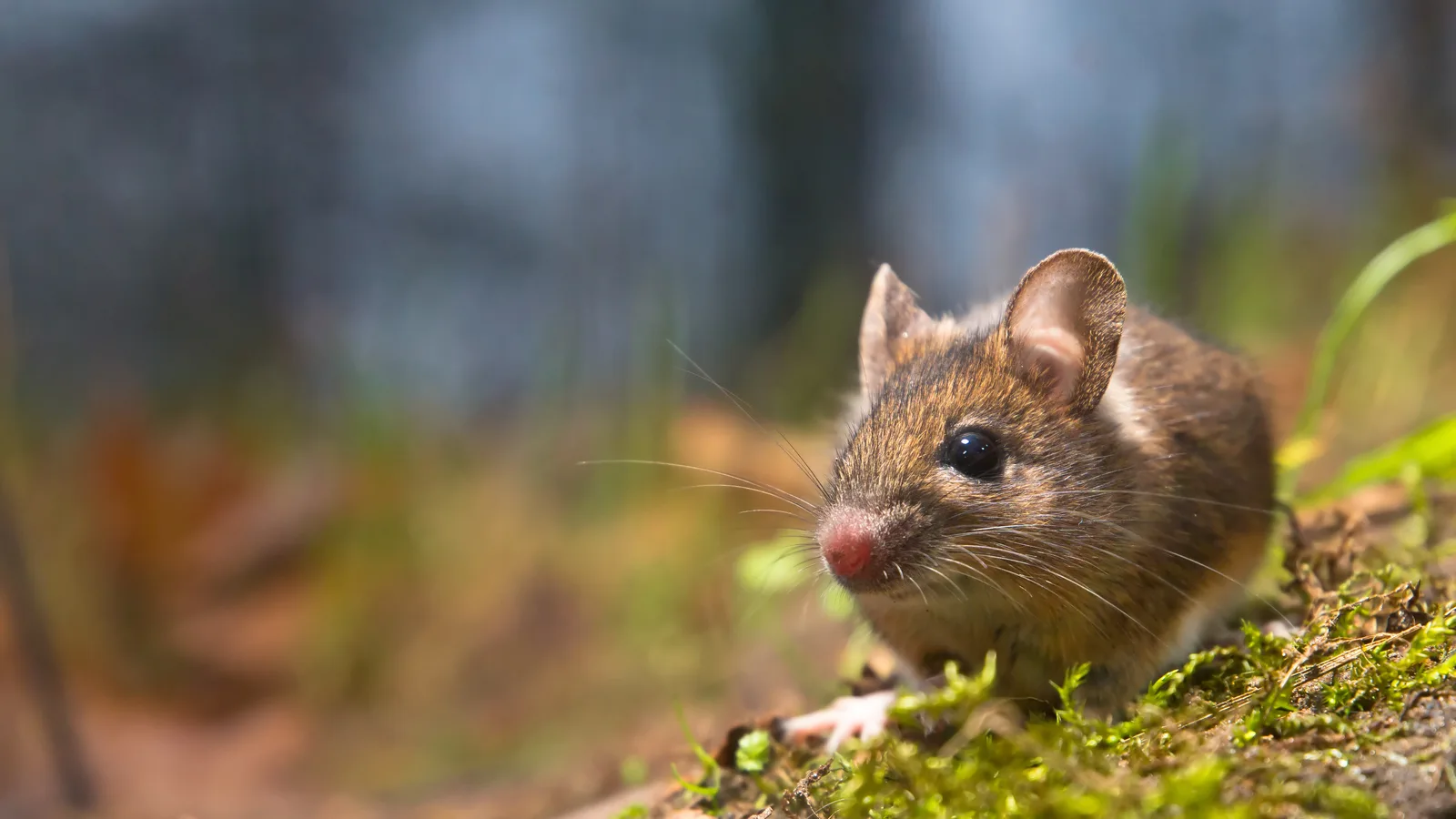
A house mouse can get into a building through an opening about a quarter inch across, according to the University of California's Integrated Pest Management Program, and that one measurement shapes most of the evidence-based guidance on keeping mice out of a home. UC's Pest Note on the house mouse, written by Niamh Quinn of UC Cooperative Extension and Matthew Frye of the Cornell IPM Program and updated in July 2025, lays out an approach in four parts: confirm it is a mouse, seal it out, trap what is inside and clean up safely.
Confirming the pest
Adult house mice are about 5 to 7 inches long including a 3- to 4-inch tail, weigh about half an ounce and are light brown to gray, with large ears, small black eyes and a nearly hairless tail, per the UC note. They are active mostly at night. The signs are droppings, fresh gnaw marks, tracks, a musky odor and nests of shredded paper or other fibers, often behind boxes, in drawers, in garages or in woodpiles.
Sealing them out
Because mice fit through gaps as small as a quarter inch, the UC note calls for sealing openings with metal or concrete. Steel wool scouring pads work as a temporary plug but can rust. The note lists plastic screening, rubber, vinyl, foam and wood as ineffective, because mice gnaw through them, and says metal may be needed along the edges of doors and windows. Sanitation supports exclusion: sealed food and garbage containers, pet food put out only in the amount pets eat at one time, and plants thinned back where they touch the building. The note says sanitation alone seldom gets rid of mice.
Trapping
The UC note's guidance on snap traps is specific. Set them along walls, behind objects, in dark corners and where droppings appear. Space them about 10 feet apart in active areas, because mice rarely travel more than 30 feet from their nest or food. Setting traps in pairs, 1 to 2 inches apart, catches mice that jump over a single trap. Wide trigger plates set lightly work, baited with a small amount of whatever the mice are already eating. Peanut butter is common but carries an allergy concern, and cotton wool or dental floss draws females gathering nesting material.
The note is less favorable on glue boards. Adult mice often detect and avoid them, so they mostly catch young mice; caught animals may not die quickly; dust and temperature extremes reduce their effect; and they catch nontarget animals, which vegetable oil can help free. The note says to keep them away from children, pets and wildlife.
The federal rules on poison baits
The Environmental Protection Agency restricts rodenticides sold to consumers. Under its rules, consumer products must be ready-to-use bait stations holding block or paste bait; loose pellets are no longer permitted in consumer products. The active ingredients allowed in consumer products are bromethalin, chlorophacinone and diphacinone. The second-generation anticoagulants (brodifacoum, bromadiolone, difenacoum and difethialone) are no longer registered for consumer use and are limited to professional and agricultural markets. Consumer products are labeled for indoor use, or for indoor and outdoor use within 50 feet of a building. The EPA's page was last updated September 8, 2026.
The UC note adds that baits generally take several days to work, that all rodenticides are toxic and must be used exactly as labeled, and that bromethalin can move up the food chain to predators. States can restrict rodenticides further than the EPA, and the state's pesticide regulator or extension service lists what applies locally.
Cleaning up safely
House mice carry diseases including leptospirosis, salmonella and lymphocytic choriomeningitis, according to the UC note. The Centers for Disease Control and Prevention's cleanup steps start with opening doors and windows for 30 minutes and leaving the area before cleaning. The CDC says not to sweep or vacuum droppings, urine or nesting material, which can put virus particles into the air. Instead, the CDC says to put on rubber or plastic gloves, spray the material until very wet with an EPA-registered disinfectant or a fresh bleach solution of 1.5 cups of household bleach per gallon of water (1 part bleach to 9 parts water), let it soak 5 minutes or as the label directs, and wipe it up with paper towels. Dead mice and nests go into a sealed plastic bag inside a second sealed bag, then a covered trash can. Gloves get washed before they come off, and hands get washed with soap and warm water after.
Each state's cooperative extension service publishes guidance for its own climate and building types, and a licensed pest management professional is the route for an infestation that exclusion and trapping do not resolve.
Loading comments…