












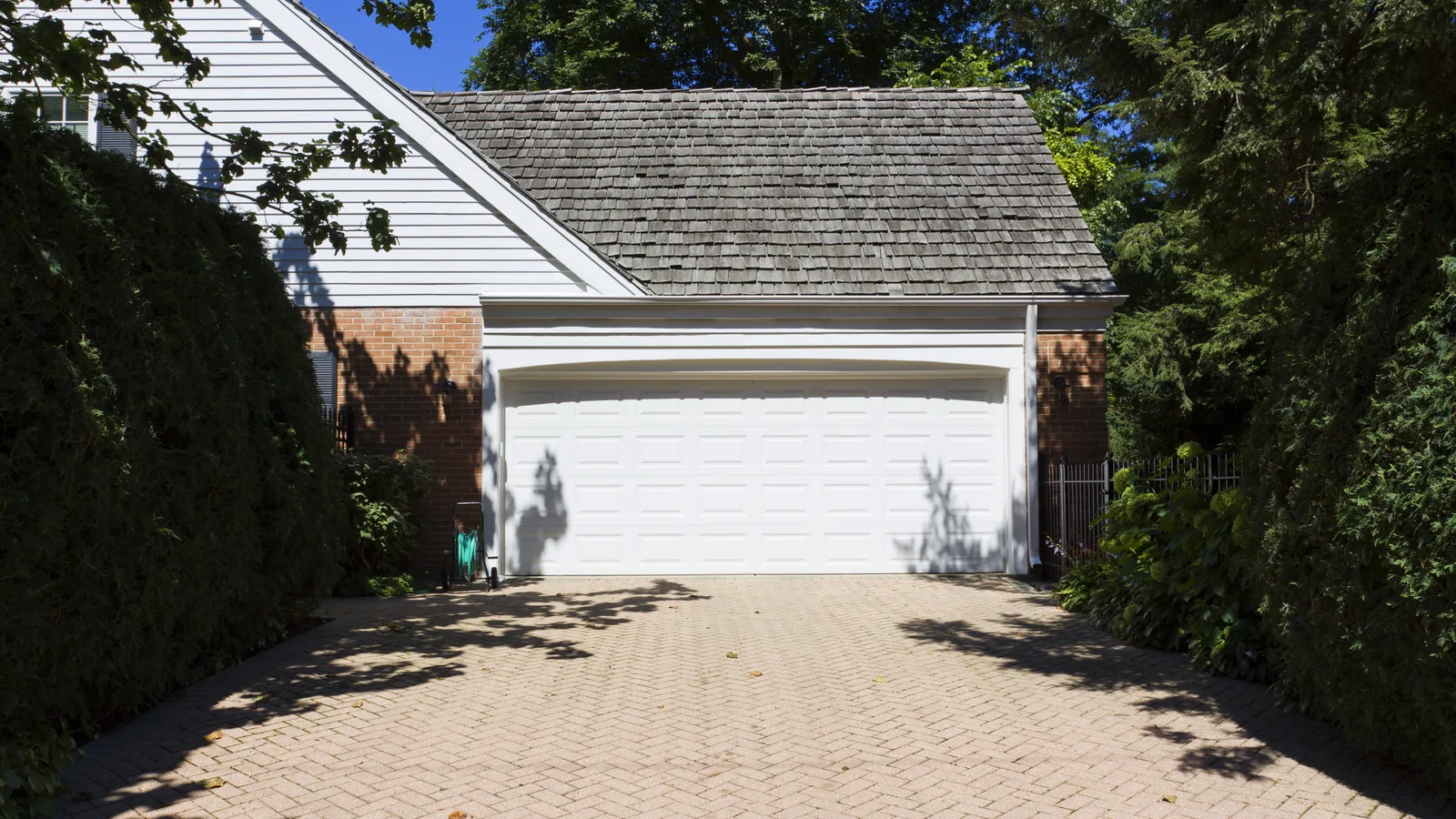
An automatic garage door is the heaviest moving object in most houses, and a closing door that does not stop for what is under it can crush a child, a pet or a car hood. Since January 1, 1993, every residential garage door opener made for sale in the United States has had to meet a federal safety standard, 16 CFR Part 1211, written by the Consumer Product Safety Commission. Part of that standard is an instruction the manufacturer must give every buyer: test the door opener once a month. Here is what the test is, what the rule requires the opener to do, and what to do when a door fails.
What the federal standard requires
The rule covers openers for doors serving one to four single-family homes. It requires two layers of protection.
- Built-in reversal. A door moving down must begin to reverse within 2 seconds of hitting an obstruction and go back to fully open. The only exception is the first foot of travel down from fully open. In the lab, the opener is tested against a solid object 1 inch high on the floor, over repeated open-and-close cycles.
- A second, external device. Most openers meet this with a pair of photoelectric sensors, the small electric eyes on either side of the door opening near the floor. When something breaks the beam, the rule requires the opener to reverse a closing door to fully open and to refuse to close an open one. The standard tests the sensors with a white panel 6 inches high and 12 inches long placed on the floor at each end of the opening and in the middle.
The monthly test, step by step
The user instructions the regulation requires tell owners to test the opener monthly, and they specify the object: the door must reverse on contact with an object 1 1/2 inches high, or a 2-by-4 board laid flat, on the floor. (The 1 1/2-inch figure in the owner instructions is slightly taller than the 1-inch object used in the lab test.)
- Clear the opening. Move cars, bikes and anything else out of the door's path, and keep children and pets out of the garage.
- Lay a 2-by-4 flat on the floor in the middle of the door opening, under where the door lands.
- Close the door with the wall button or remote and watch it. It should touch the board, stop and reverse back up to fully open.
- Test the electric eyes. With the door open, start it closing and pass an object, such as a box or a rolled towel, through the beam near the floor. The door should stop and return to fully open. With the beam blocked, the door should not close from the open position at all.
- Repeat at the sides. Since the standard tests the sensors at both ends of the opening and the middle, checking near each side is a reasonable addition.
When a door fails
A door that crushes the board, stalls on it without reversing, or closes through a blocked beam has failed. Stop using the opener to close the door until it is fixed, and close it by hand or keep the area clear in the meantime.
The likely causes, and who handles them:
- Sensors out of line or dirty. A bumped sensor bracket or a lens covered in dust or cobwebs is the most common fault. Cleaning the lenses and realigning the brackets according to the opener's manual is usually within a homeowner's reach.
- Force or travel settings. The opener's force and close-limit settings decide how hard it pushes and where it thinks the floor is. The manual describes how to adjust them; after any adjustment, repeat the 2-by-4 test.
- The door itself. A door that binds in its tracks or is out of balance can defeat the opener's reversal. Repairs to a door's springs, cables and tracks are a job for a trained door technician.
- An old opener. An opener made before 1993 was not built to the federal standard and may have no external sensors at all. Replacing it is the fix.
Why once a month
Sensors get knocked by bikes and trash cans, lenses collect grime, floors heave in frost, and a door's balance changes as springs age. None of that is visible until the reversal fails. A monthly check takes about five minutes with a scrap of lumber, and it is the test the opener's own instructions already call for.
Electrical, gas, roof and ladder work can cause serious injury. Shut off power or gas first, follow the manufacturer's instructions and local code, and hire a licensed pro for anything beyond your experience.
Loading comments…