












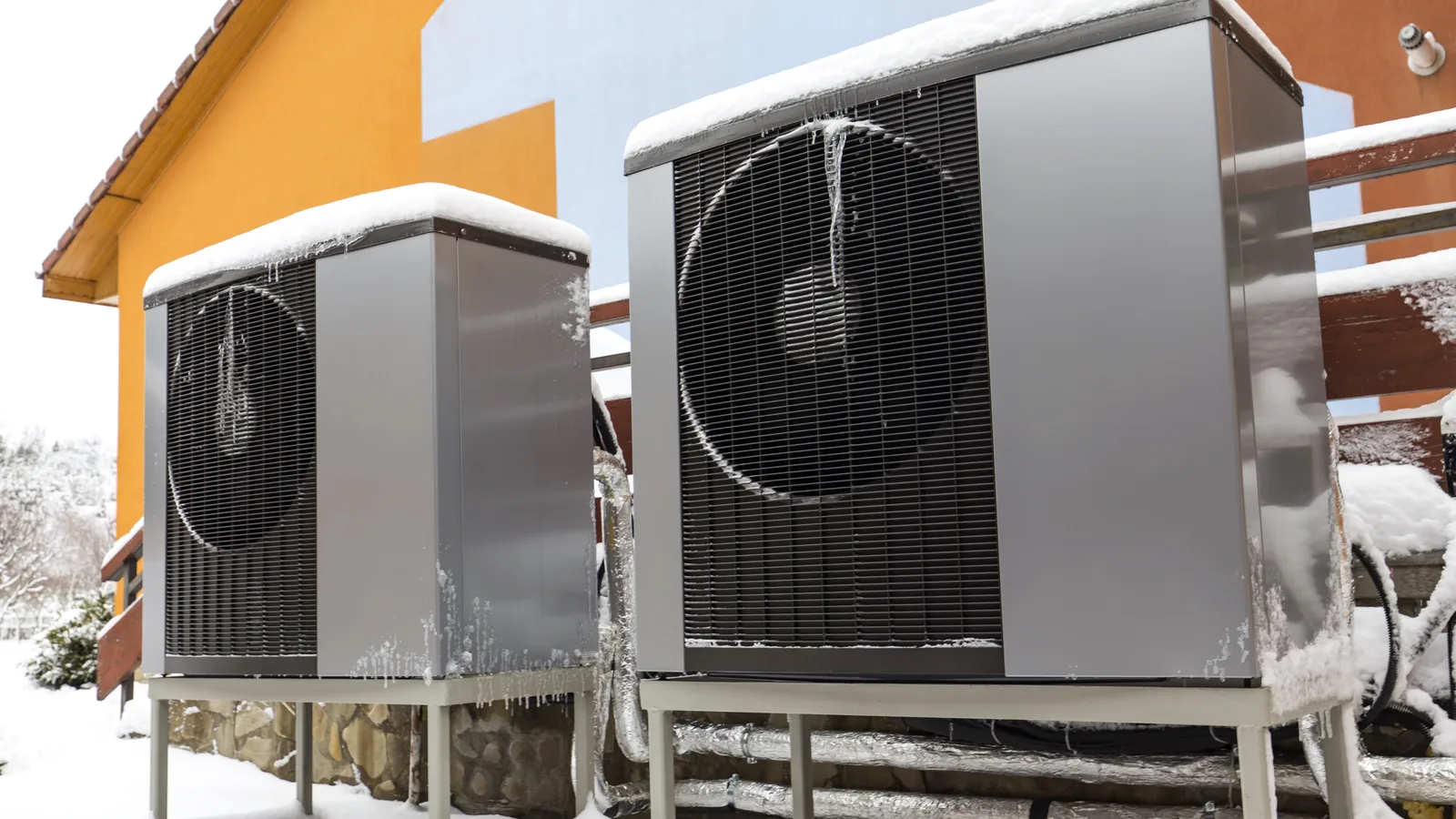
A homeowner replacing a furnace or a failed air conditioner with a heat pump this winter will not get a federal tax credit for it. The two federal home energy credits, the Energy Efficient Home Improvement Credit (Section 25C) and the Residential Clean Energy Credit (Section 25D), ended for work completed after December 31, 2025. The 2025 budget law, Public Law 119-21, moved their end dates up from 2032, and the Internal Revenue Service set out how the cutoff works in a fact sheet of frequently asked questions (FS-2025-05, August 21, 2025).
What each credit covered, and when each stopped
Section 25C paid 30 percent of the cost of qualifying efficiency upgrades: heat pumps and heat pump water heaters (up to $2,000 a year), plus a separate annual limit of $1,200 for items such as insulation, exterior doors, windows, central air conditioners, furnaces, boilers and a home energy audit. The IRS says the credit is not allowed for any property placed in service after December 31, 2025.
Section 25D paid 30 percent of the cost of solar panels, solar water heaters, geothermal heat pumps, small wind turbines, fuel cells and battery storage. The IRS says it is not allowed for any expenditure made after December 31, 2025.
Why a deposit paid in 2025 does not save a 2026 job
The credits follow the date the equipment goes in, not the date money changes hands. For 25D, the IRS fact sheet says an expenditure is treated as made when the original installation of the item is completed, so a geothermal system or solar array finished in January 2026 is outside the credit even if the contract was signed and paid in 2025. Section 25C turns on the date property is placed in service, which for a heat pump is when it is installed and ready to use. A homeowner who completed qualifying work by December 31, 2025, still claims it on the 2025 return, filed in 2026, using IRS Form 5695.
What still lowers the price
With the federal credits gone, the money that remains comes from utilities, states and manufacturers, and it varies by ZIP code:
- Utility and state rebates. ENERGY STAR keeps a rebate finder searchable by ZIP code that lists utility and local offers for heat pumps, water heaters, thermostats and insulation. Many utility programs require a participating contractor or an approved model list, and some require approval before installation.
- State home energy rebate programs. The Department of Energy's Home Energy Rebates were funded separately by the 2022 Inflation Reduction Act and are run by each state. The Department of Energy's program page lists which states have launched and links to each state's own site.
- The equipment rating. Rebates usually name a minimum efficiency or an ENERGY STAR certification, and cold-climate programs often require a model rated for low-temperature heating. The model number on the quote is what the program checks.
What to ask before signing a quote this winter
Ask the installer which utility or state program the job qualifies for, whether the rebate is paid to the homeowner or taken off the invoice, and whether pre-approval is required. Ask for the exact model numbers of the outdoor and indoor units, which a homeowner can check against the program's list and the ENERGY STAR database. A tax advisor can say whether anything from 2025 work belongs on this year's return.
This article reports rules, data and expert guidance. It is not legal, tax, insurance or financial advice. Talk to a licensed pro, your tax advisor or your insurer before you act on it.
Loading comments…