












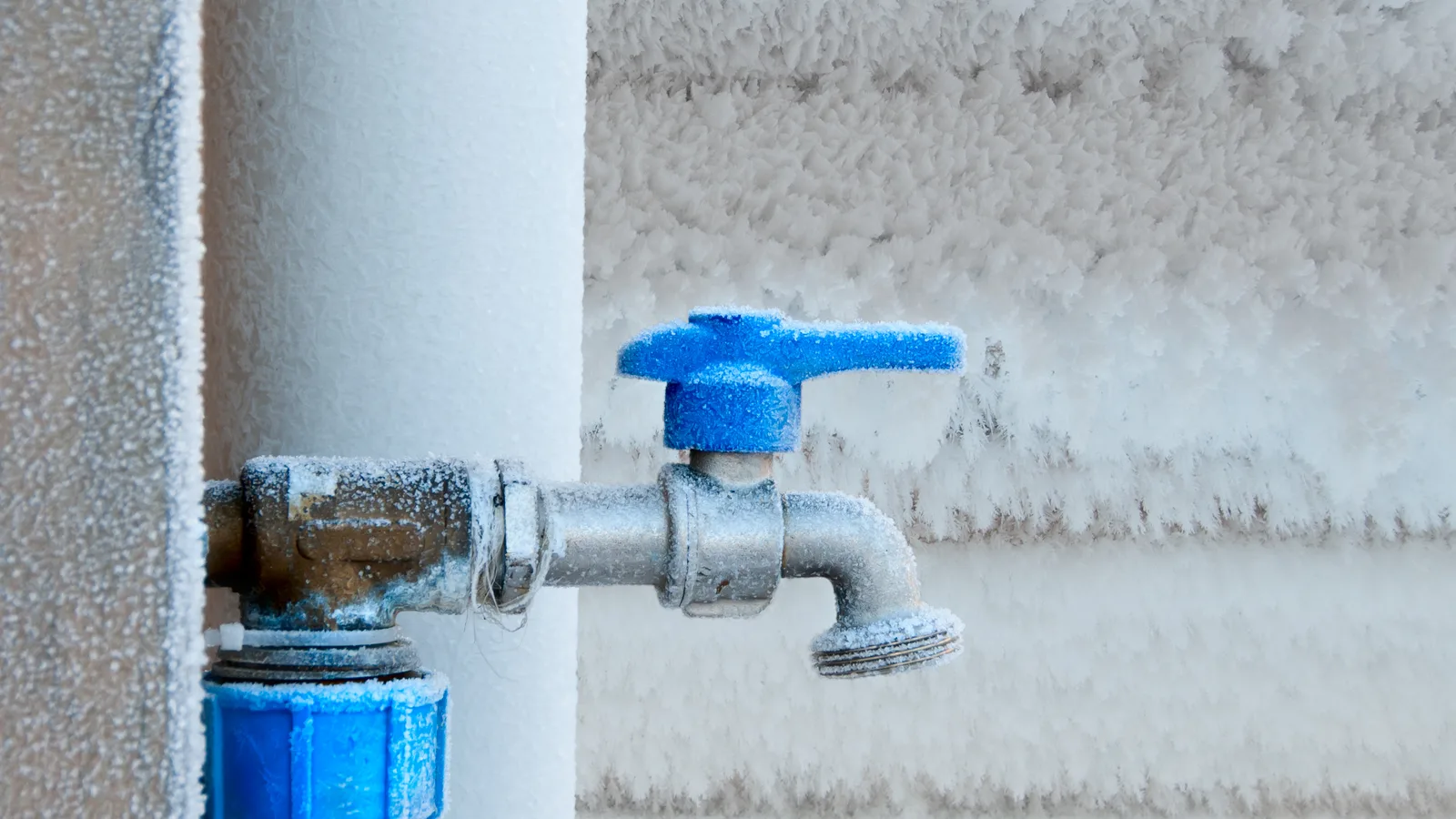
A water line in a crawl space, under a mobile home or along an unheated porch wall is the first to freeze, and electric heat tape, also sold as pipe heating cable, is the common fix. It is also an electrical appliance left running unattended in a dusty, damp, hidden place for months. The Consumer Product Safety Commission has published installation and inspection rules for it, and they are the steps that separate a pipe kept warm from a fire under the floor.
Why the commission spelled it out
In its 1996 guidelines, the CPSC estimated that faulty electric heat tapes caused about 1,500 fires, 10 deaths and 100 injuries a year. The commission said newer tapes meeting national safety standards had a much better record than old ones, and that most of the danger came from tapes that were old, worn or installed the wrong way. The figures are from that release, the most recent the agency published on the product; the installation rules have not changed.
Before you start
- Buy a listed product. The CPSC urges replacing uncertified heat tapes more than three years old with tapes certified to a safety standard, such as UL's.
- Use the right product for the job. Tape made for water pipes is not for gutters, driveways or fuel lines.
- Read the manufacturer's instructions, especially when changing brands or types, which often have different installation requirements.
Installing it, step by step
- Put it on the bare pipe. Apply the tape directly to the pipe, never on top of insulation already covering it.
- Do not overlap it. Do not wrap heat tape over itself unless the manufacturer's instructions specifically allow it.
- Place the thermostat the way the instructions say. Some go against the pipe under the insulation; others hang free and uncovered.
- Keep the end cap dry. Moisture can lead to a fire, so keep the end cap sealed and off the ground.
- Insulate only if the maker says so, and only with fiberglass. The CPSC says not to cover heat tape with insulation unless the manufacturer advises it, and then to use nonflammable insulation such as fiberglass, never foam or vinyl that could catch fire from a failing tape.
- Plug it in properly. New tapes have a three-prong plug: use a grounded three-prong outlet, protected by a ground-fault circuit interrupter. Never cut off the ground prong or run the tape through an ungrounded adapter.
Every fall, inspect it
The commission says to inspect heat tape every year and replace it at the first sign of wear: discolored surfaces, especially at the plug, charring, cuts or breaks in the insulation, or bare wire. Test the GFCI it is plugged into with the outlet's test button.
When to call a pro
Pipes that freeze every winter despite heat tape usually point to a bigger fix, such as rerouting the line, sealing the crawl space or insulating the wall. A licensed plumber can tell which, and a licensed electrician should add a GFCI-protected outlet where none exists near the pipe.
Electrical, gas, roof and ladder work can cause serious injury. Shut off power or gas first, follow the manufacturer's instructions and local code, and hire a licensed pro for anything beyond your experience.
This article reports rules, data and expert guidance. It is not legal, tax, insurance or financial advice. Talk to a licensed pro, your tax advisor or your insurer before you act on it.
Loading comments…