












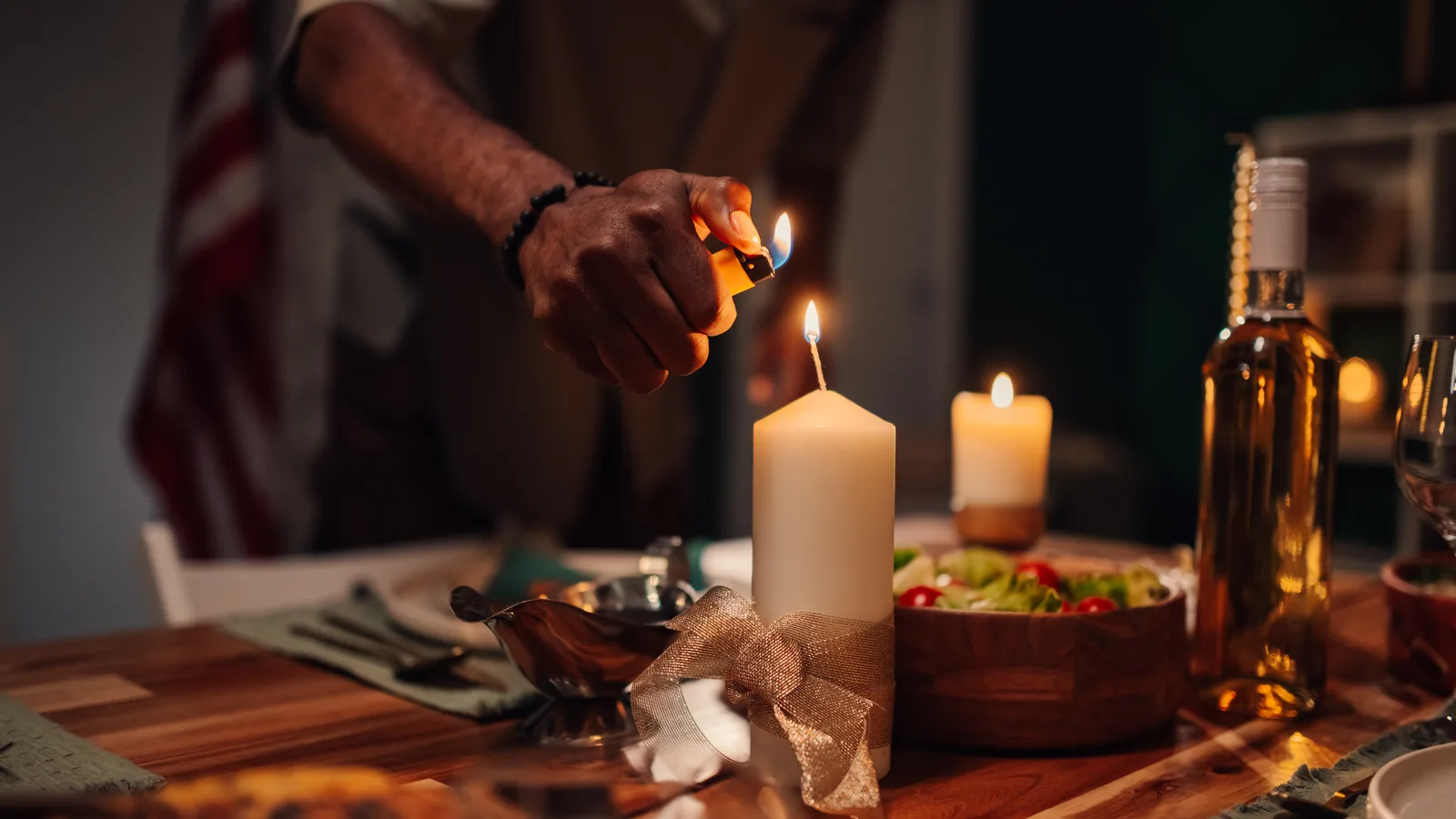
From 2019 through 2023, U.S. fire departments responded to an estimated average of 5,830 home structure fires a year that were started by candles, according to supporting tables the National Fire Protection Association (NFPA) published in August 2025. Those fires caused an average of 66 civilian deaths, 572 civilian injuries and $270 million in direct property damage each year. Candles accounted for about 2 percent of reported home fires in that period, a small share, but one that NFPA's earlier, more detailed candle study shows bunching up around the winter holidays, when tables are dressed, mantels are decorated and houses are full.
Why December and January stand out
NFPA's most recent candle-specific report, written by Marty Ahrens and published in May 2020, covers 2014 through 2018. In those years, home candle fires averaged 7,610 a year, with 81 deaths and 677 injuries annually, and departments logged about 21 of them on an average day. December was the peak month and January was nearly tied: each month accounted for 11 percent of the year's candle fires.
The same report ties the December bump to decorating. In December, 12 percent of candle fires began with a decoration as the first thing to catch fire. From January through November, that figure was 4 percent. Christmas Day stood apart from the rest of the calendar, averaging 58 reported home candle fires, almost three times the ordinary daily count for 2014 to 2018. NFPA's 2025 winter holiday tip sheet adds a related figure: more than a third of home decoration fires are started by candles.
The newer 2019 to 2023 tables do not break candle fires out by month or by holiday, so the seasonal detail here comes from the 2014 to 2018 study. The overall annual counts are lower in the newer period, which continues a downward trend NFPA described after candle fires peaked in the early 2000s.
What usually catches fire
Distance is the main story in the data. In the 2014 to 2018 study, 60 percent of home candle fires started when something that can burn, such as furniture, bedding, curtains or decorations, was too close to the flame. Another 16 percent involved a candle that was unattended or abandoned, and sleep was a factor in 10 percent of the fires and 15 percent of the deaths.
Where the fire starts matters too. In the 2019 to 2023 tables, candles were the second leading cause of home fires that began in a bedroom, averaging 2,434 a year (12 percent of bedroom fires), behind electrical distribution and lighting. Candles were also behind an average of 1,000 living room fires a year in that period, about 7 percent of fires starting in that room.
What the federal guidance says for a full house
The U.S. Fire Administration (USFA), part of FEMA, and NFPA give closely matching guidance. Both set the same distance: keep a lit candle at least 12 inches (1 foot) from anything that can burn. On a holiday table, that radius takes in centerpieces of dried flowers or greenery, paper napkins and place cards, cloth runners, and the sleeves of guests reaching across for a dish. On a mantel, it includes garland, stockings and cards.
- Holders and surfaces. USFA calls for stable holders placed where they cannot easily be knocked over. NFPA specifies sturdy holders that will not tip easily, set on a sturdy, uncluttered surface, which rules out a crowded buffet where platters get moved around all evening.
- Someone in the room. Both agencies say to blow out candles when you leave a room or go to bed. USFA also says not to use lit candles in bedrooms, bathrooms or sleeping areas, a point that applies to overnight guests in a spare room.
- Children and pets. NFPA's holiday entertaining guidance says to keep children and pets away from lit candles and to store matches and lighters up high in a locked cabinet. Its candle tip sheet adds that a child should never be left alone in a room with a burning candle.
- Burn time. NFPA says to put a candle out before it burns down close to its holder or container, and never to use a candle in a home where medical oxygen is in use.
- Power outages. Both agencies say to use flashlights or battery lighting, not candles, when the power goes out during winter storms.
Both agencies also point to battery-operated flameless candles as an alternative. USFA describes them as able to look, smell and feel like real candles; NFPA's tip sheet recommends them for use throughout the home. They remove the open flame entirely, which addresses the too-close and unattended problems that account for most candle fires in the data.
Trees, greenery and heat
For households that keep a live or cut tree, USFA's holiday guidance treats candles as a heat source and says the tree should sit at least 3 feet from them, the same distance it gives for fireplaces, radiators and space heaters. Greenery on a table or banister is covered by the 12-inch rule for candles generally.
A practical walk-through before guests arrive
Before lighting anything for a gathering, walk the rooms where candles will burn and measure roughly 1 foot around each one, moving or swapping out anything inside that circle that could catch. Put each candle in a holder that will not tip, keep them off crowded serving surfaces and out of rooms where guests will sleep, and decide who will blow them out when the party moves to another room or ends. Where a flame would sit near decorations, within reach of children, or in a spot no one will be watching, the agencies' own alternative is a flameless candle.
Sources
- NFPA: Home Structure Fires, Supporting Tables (Hall and McGree, August 2025)
- NFPA: Home Candle Fires (Ahrens, May 2020)
- NFPA: Home Candle Fires, Supporting Tables (May 2020)
- NFPA: Candle Safety tip sheet
- NFPA: Winter Holiday Safety tip sheet
- U.S. Fire Administration: Candle Fire Safety
- U.S. Fire Administration: Holiday Fire Safety
Loading comments…