












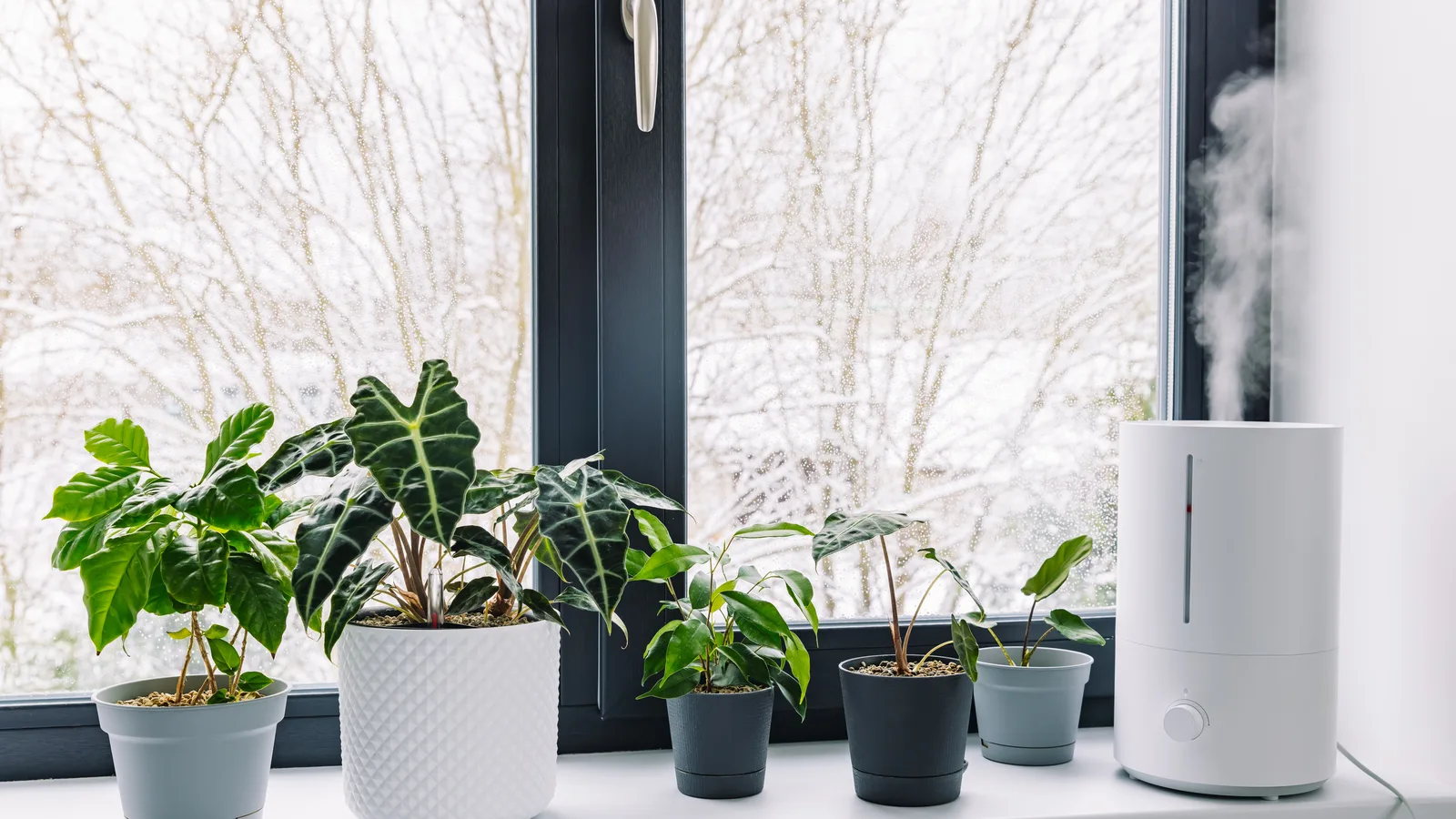
A well-lit room inside a house often measures under 100 foot-candles of light, while a clear day outdoors can top 10,000, according to Clemson University's Home and Garden Information Center. Clemson puts the bare minimum for keeping an indoor plant in good condition at about 100 foot-candles for 12 hours a day, and in winter the short days and low sun push many rooms below that. Plants with little artificial light slow into a resting stage, which is why the cooperative extension services say winter care should change.
Move plants toward the light
Clemson sorts houseplants by need. High-light plants such as weeping fig, English ivy and schefflera belong near south- or west-facing windows or glass doors. Medium-light plants such as African violet and Boston fern should sit within several feet of those windows or near an east exposure. Low-light plants such as peace lily and cast-iron plant can stay several feet from an east window or in a north-facing room.
University of Minnesota Extension says a plant leaning toward the window is a sign it needs more light, and suggests adding an overhead lamp and turning pots every few weeks so all sides get equal exposure. A dedicated grow light is not required: a full-spectrum source, LED included, works, and Minnesota suggests running it roughly 5 to 8 p.m. so the day totals about 12 to 14 hours. For plants that live under lights, Clemson recommends 16 hours on and 8 off, set on a timer.
Keep leaves off cold glass and out of hot air
Closer to the window cannot mean touching it. Iowa State University Extension says houseplant foliage should not rest against cold windows and that plants should stay clear of cold drafts, radiators and hot air vents. Its guidance puts most houseplants at 65 to 75 degrees in the day and 60 to 65 at night, and warns that anything under 50 degrees, or fast swings in temperature, can harm some plants. Iowa State also warns against trapping a plant between a closed curtain and the pane.
Water less often, and test the soil first
Penn State Extension and Illinois Extension both say slower growth indoors means plants use less water, so a summer schedule no longer fits. Illinois Extension's test is to push a finger into the potting mix to the second knuckle and hold off if it still feels damp; Iowa State's version is to water when the mix is dry about an inch down. When it is time, water until some drains from the bottom, then empty the saucer after about 30 minutes so roots are not left sitting in water.
Dry air: what helps and what mostly does not
Penn State Extension notes that ASHRAE recommends 30 to 60 percent relative humidity indoors and that a heated home can fall below 30 percent in winter. Iowa State says most houseplants prefer 40 to 50 percent and that winter indoor air can drop near 10 percent, enough to slow growth and brown leaf tips. Cacti and succulents are the main exception.
On misting, Penn State and Iowa State agree it does little: the added moisture is gone in minutes, and Iowa State adds that wet foliage can spread disease. Pebble trays are where the services differ. Minnesota and Iowa State list them as an option (water kept below the top of the pebbles, pot bottom out of the water), while Penn State's position is that the evaporated water spreads through the whole room and changes humidity very little. The measures all three support are grouping plants together, using a portable or whole-house humidifier, and keeping humidity-loving species in a terrarium or under a clear cover. Penn State's practical test: if the room feels comfortable to people, most plants will tolerate it, and light and watering deserve more attention than humidity.
Hold the fertilizer until spring
University of Maryland Extension says indoor plants do not need fertilizer in winter, because lower light and cooler rooms slow growth and feeding during that stretch can hurt some plants. Maryland's calendar resumes feeding in March and continues through September. Illinois Extension makes an exception for plants growing under lights, and warns never to fertilize a dry plant, since that can burn roots.
The pests that show up in heated homes
- Spider mites. Minnesota Extension says warm, dry winter homes favor them. Tap leaves over a sheet of white paper and look for orange specks; webbing and damaged leaves come later. Minnesota recommends washing plants regularly through winter and using insecticidal soap or horticultural oil according to the label. Palms, philodendrons and figs see more outbreaks than succulents, pothos or snake plant.
- Mealybugs. Look for small white fuzzy tufts and sticky residue, often where a leaf meets the stem. Minnesota warns they are close to impossible to clear once established, so early action counts; horticultural oils and some systemic houseplant products can handle low numbers. Illinois Extension suggests dabbing them with a cotton swab dipped in rubbing alcohol.
- Fungus gnats. These breed in soil that stays wet and are mostly a nuisance, Minnesota says, though heavy infestations can damage roots. Its steps: let soil dry appropriately between waterings, hang yellow sticky traps for adults, use a soil product with Bacillus thuringiensis for larvae, or repot into fresh mix and a clean container.
Minnesota also advises isolating new plants until they are clearly pest free.
Climate and heating systems differ, so the right watering interval varies by house. A practical next step this week: match each plant to a window by its light needs, pull any leaves off the glass, do the knuckle test before the next watering, and check leaf undersides for specks or white tufts. For plant-specific questions, your county's cooperative extension office and its Master Gardener volunteers answer them for free.
Sources
- Clemson Cooperative Extension, Home and Garden Information Center: Indoor Plants, Cleaning, Fertilizing, Containers and Light Requirements (HGIC 1450)
- University of Minnesota Extension: Winter houseplant tips
- University of Minnesota Extension: Houseplant pests
- Iowa State University Extension and Outreach: What is the proper temperature for houseplants during the winter months?
- Iowa State University Extension and Outreach: How to Care for Houseplants
- Penn State Extension: Humidity and Houseplants
- Penn State Extension: Before the First Frost, Bringing Your Plants Indoors for Winter
- Illinois Extension: Bring houseplants indoors before the first frost
- Illinois Extension: Tips on caring for tropical houseplants
- University of Maryland Extension: Fertilizer for Indoor Plants
Loading comments…