












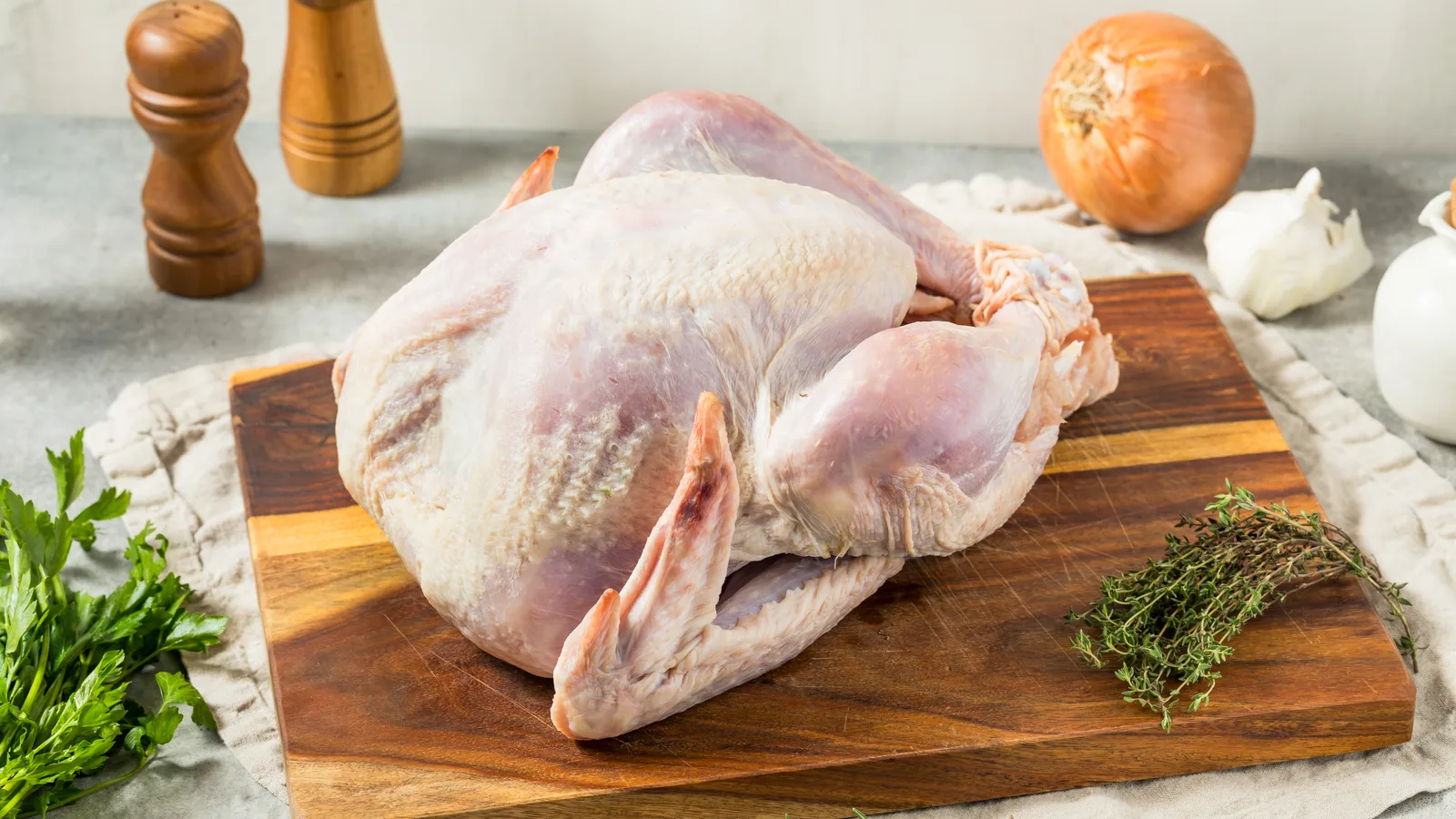
A frozen turkey that weighs 16 pounds or more needed to be in the refrigerator by the weekend to thaw in time for Thursday, according to the U.S. Department of Agriculture's Food Safety and Inspection Service (FSIS). Its refrigerator guidance allows roughly 24 hours for every 4 to 5 pounds of bird, which puts a 16 to 20 pound turkey at four to five days. With Thanksgiving on November 26, a household starting today, Monday, has three days, and that changes the plan for anything bigger than a midsize bird.
Why the refrigerator sets the calendar
FSIS explains the reasoning plainly: a turkey is safe for as long as it stays frozen, but once it starts to thaw, bacteria that were present before freezing can begin growing again. The agency's range of concern runs from 40 to 140 degrees Fahrenheit, which it calls the Danger Zone. A refrigerator held at 40 degrees or colder keeps the whole bird below that range while the ice works its way out of the center, which is why FSIS treats the fridge as the planning method and the other two as faster fallbacks.
The agency's refrigerator chart for a whole turkey, last updated in October 2023, reads like this:
- 4 to 12 pounds: 1 to 3 days
- 12 to 16 pounds: 3 to 4 days
- 16 to 20 pounds: 4 to 5 days
- 20 to 24 pounds: 5 to 6 days
Those times assume a refrigerator set at 40 degrees or below. FSIS also notes that a colder setting, such as 35 degrees, thaws food more slowly, and that some parts of a refrigerator run colder than others, so a bird on a bottom shelf near the back may lag the chart.
Making room before the bird goes in
The practical obstacle in most kitchens is space. FSIS asks that the turkey sit in a container so its juices cannot drip onto other food, which means clearing a full shelf, usually the lowest one, for a roasting pan or a rimmed tray. The days before Thanksgiving are also when the refrigerator fills with sides, drinks and dairy, so it helps to move those items now rather than on Wednesday. Once thawed, a turkey can stay in the refrigerator for one or two more days before cooking, according to FSIS, so a bird that finishes thawing early is not a problem.
If the turkey is too big for three days
Cold water is the method FSIS describes for a short window. The turkey stays in a leak-proof plastic bag, which keeps water out of the meat and keeps raw juices out of the sink, and goes fully under cold tap water. The water gets changed every 30 minutes until the bird is thawed. FSIS estimates about 30 minutes per pound, and its chart runs from 2 to 6 hours for a 4 to 12 pound turkey up to 10 to 12 hours for one weighing 20 to 24 pounds. A turkey thawed this way has to be cooked right away, so the timing works backward from when the oven is free.
The FSIS methods can also be used in sequence for a large bird this week: refrigerator thawing from today, then a cold water session on Thursday morning if the cavity still feels icy. The cold water rule still applies once it starts, including the change every half hour and cooking immediately after.
Microwave thawing is the third method FSIS lists, but it depends on the oven's size and the manufacturer's defrosting directions, and most whole turkeys will not fit. A bird thawed in a microwave also must be cooked immediately, because parts of it can begin to cook during defrosting and then sit at temperatures where bacteria survive.
Still frozen on Thursday morning
FSIS says it is safe to cook meat and poultry straight from frozen. The tradeoff is time: cooking takes about 50 percent longer than it would for a fully thawed bird, according to the agency's general defrosting guidance. A turkey that would roast in four hours thawed could need about six from frozen, so the decision to cook it that way is best made early in the morning, not at noon.
Places FSIS says not to thaw a turkey
The agency is specific here. Frozen meat or poultry left on the counter for more than two hours is not at a safe temperature, because the outer layer warms into the Danger Zone while the center is still frozen. FSIS also lists the garage, basement, car, back porch, dishwasher, a plastic garbage bag and hot water as unsafe places or methods. A cold garage in a northern state might feel like extra refrigerator space, but FSIS's objection is that the temperature there cannot be watched and held steady.
Refreezing and questions
A turkey thawed in the refrigerator can go back in the freezer without cooking, with some loss of quality, FSIS says. One thawed in cold water or in the microwave should be cooked before any of it is refrozen. For questions about a specific bird, FSIS runs the toll-free USDA Meat and Poultry Hotline at 1-888-674-6854 (1-888-MPHOTLINE).
The step for today: weigh the turkey against the refrigerator chart, clear a bottom shelf and a pan for it, and if the bird is over about 12 pounds, plan for a Thursday morning cold water bath or a longer cook from frozen.
Loading comments…