






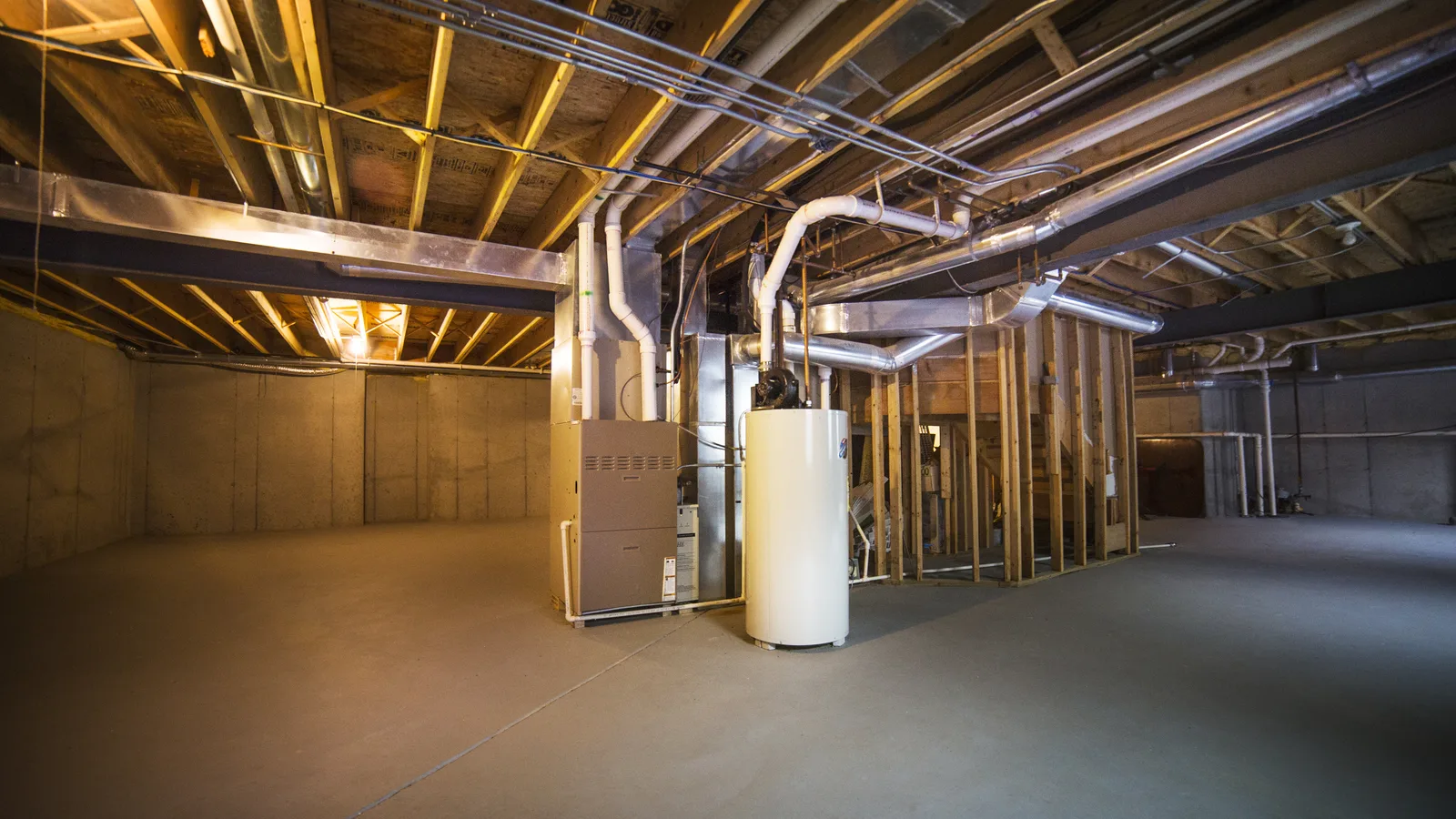
A furnace filter is the one part of a forced-air heating and cooling system that most households service themselves, and the guidance on it from the Environmental Protection Agency and Energy Star comes down to three things: the rating on the filter, how well it fits and how often it is changed.
What the MERV number means
Furnace and HVAC filters are rated on the MERV scale, short for Minimum Efficiency Reporting Value, which runs from 1 to 16 and comes from a test method developed by ASHRAE, the heating and air-conditioning engineers' society. The rating measures how well a filter captures particles between 0.3 and 10 microns. HEPA filters are rated separately and sit outside the MERV scale.
The EPA's guidance, updated January 14, 2026, recommends a filter rated at least MERV 13, or the highest rating the system's fan and filter slot can accommodate. By the EPA's figures, a MERV 13 filter captures at least 50 percent of particles from 0.3 to 1.0 microns, at least 85 percent of particles from 1.0 to 3.0 microns and at least 90 percent of particles from 3.0 to 10.0 microns. The EPA's Guide to Air Cleaners in the Home, updated October 1, 2026, says most systems can use a MERV 13 filter if it is changed regularly, and that an HVAC technician can confirm what a particular system handles.
Step 1: Find the filter and its size
The filter sits in a slot where return air enters the system: in the furnace or air handler cabinet, or behind a return air grille in a wall or ceiling. Filters for homes commonly range from 1 to 5 inches thick, according to the EPA, and the dimensions printed on the frame of the existing filter are the size to match.
Step 2: Match the fit
The EPA's guide says a proper filter sits snugly in its frame, with no gaps that let air bypass it, and without being bent or crushed to fit. A filter that is the wrong size lets unfiltered air go around it, which defeats its rating.
Step 3: Set a schedule
The two federal sources frame frequency differently. Energy Star's maintenance checklist calls for inspecting the filter once a month and cleaning or changing it as needed. The EPA's guide says to follow the filter manufacturer's recommendation, which is typically every 60 to 90 days, and to change it sooner if it looks heavily soiled when removed.
What a filter can and cannot do
A furnace filter cleans air only while the system is running. The EPA notes that home systems often run less than 25 percent of the time during heating and cooling seasons. Running the fan longer increases filtration, but it also raises electricity use and can make humidity control less reliable in cooling season.
HVAC filters mainly capture particles, not gases, so they do little for odors or chemical vapors. The EPA says no filter removes every indoor pollutant or fixes a mold or moisture problem; controlling the source and ventilating with outdoor air are still needed.
The rest of the fall checkup
Energy Star's checklist separates the filter, a homeowner task, from an annual contractor checkup, done in the fall for heating and in the spring for cooling. On the heating side, the contractor checks gas or oil connections, gas pressure, burner combustion and the heat exchanger. For any system, the checklist covers thermostat settings, tightening electrical connections and measuring voltage and current on motors, lubricating moving parts, inspecting the condensate drain on a furnace, central air conditioner or heat pump (a plugged drain can cause water damage) and checking that the system starts, runs and shuts off properly. Energy Star says the contractor can show the homeowner how to change the filter during that visit.
The filter slot, the size printed on the current filter and the system's own manual are the three things to have on hand before buying a replacement, and the manual or the installing contractor is the source for the highest MERV rating the fan can handle.
Electrical, gas, roof and ladder work can cause serious injury. Shut off power or gas first, follow the manufacturer's instructions and local code, and hire a licensed pro for anything beyond your experience.
This article reports rules, data and expert guidance. It is not legal, tax, insurance or financial advice. Talk to a licensed pro, your tax advisor or your insurer before you act on it.
Loading comments…