












Almost every house on the market that was built before 1978 comes with a federal paperwork step that has to happen before the buyer signs anything. Under Section 1018 of Title X, the federal Residential Lead-Based Paint Hazard Reduction Act, sellers of most pre-1978 housing must hand over specific information about lead-based paint, and buyers get a set window to test for it. The Environmental Protection Agency and the Department of Housing and Urban Development enforce the rule together.
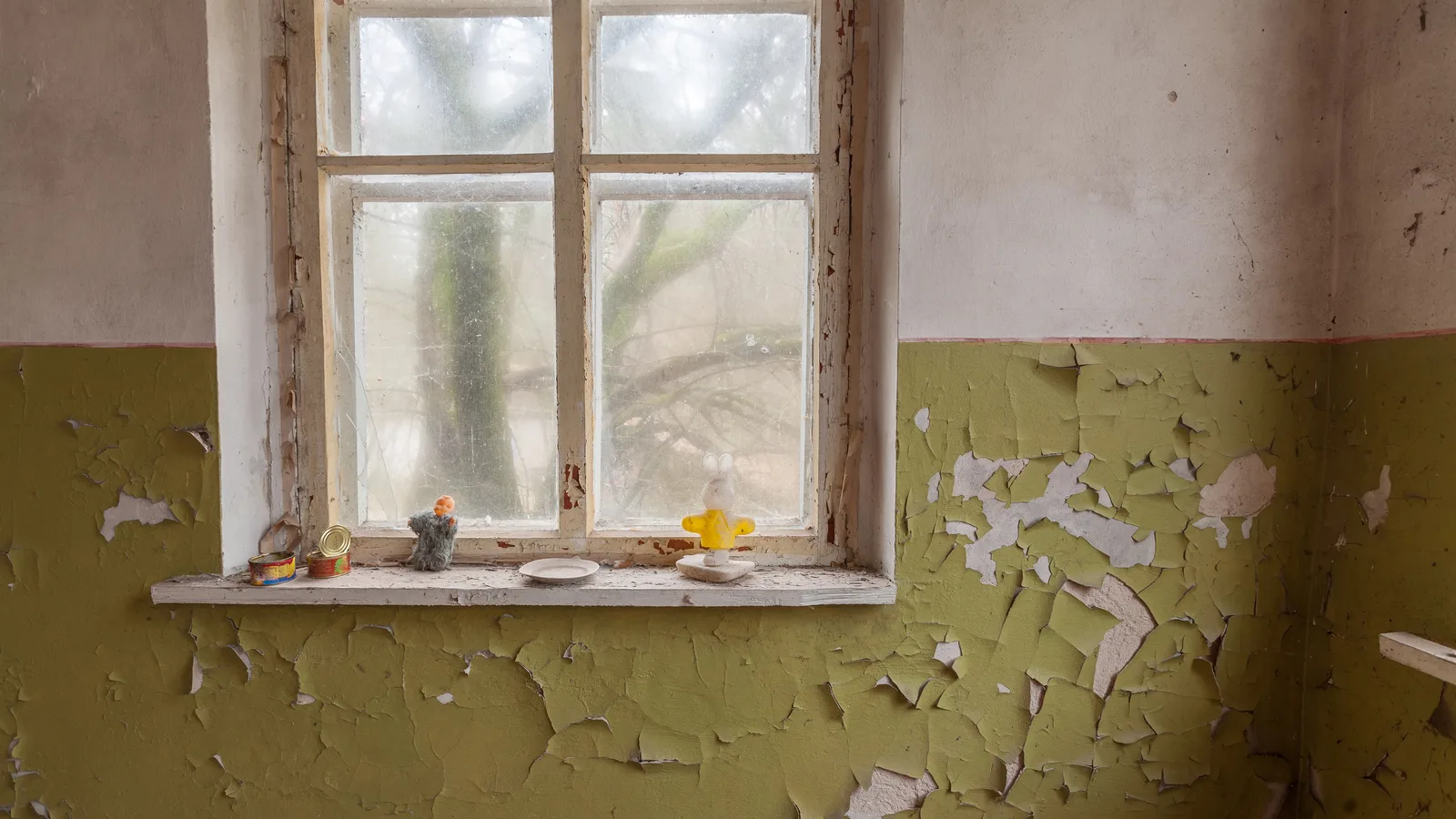
The cutoff year matters because 1978 is when the federal government banned lead-based paint for residential use. Paint applied before then can still be on walls, trim, windows and porches under newer coats, and it becomes a hazard when it peels, chips or turns to dust from friction, as on a window sash that slides up and down for decades.
What a seller owes the buyer, and when
According to the EPA, all of the following has to happen before the buyer is obligated under a contract to buy:
- The pamphlet. A copy of the EPA's Protect Your Family From Lead in Your Home, which is available in several languages.
- What the seller knows. Any known lead-based paint or lead-based paint hazards in the house, including where they are and the condition of the painted surfaces.
- The records. Every available record or report about lead in the home. In a multi-unit building, that includes records on common areas and other units when an evaluation covered the whole building.
- The Lead Warning Statement. A statement attached to or written into the contract, in the same language as the contract, confirming the seller has met the rule.
The rule does not require a seller to test for lead or to remove it. It requires disclosure of what is known and the records that exist. A seller who has never tested says so on the form.
The buyer's 10 days
Buyers get a 10-day period to arrange a lead-based paint inspection or a risk assessment by a certified professional. The two sides can lengthen or shorten that window in writing, and a buyer may waive it entirely. The EPA publishes sample seller disclosure forms in English and Spanish that lay out these sections, and many state real estate forms build them in.
Which homes are exempt
The EPA lists these exemptions:
- Housing built in 1978 or later.
- Zero-bedroom units such as studios, lofts and dormitories, unless a child under 6 lives there or is expected to.
- Housing for the elderly or for people with disabilities, with the same child-under-6 exception.
- Housing that a certified inspector or risk assessor has found free of lead-based paint.
- Foreclosure sales.
Where the agent fits in
A real estate agent working for the seller has to tell the seller about these duties, and the agent shares responsibility for compliance. The exception, per the EPA, is when the seller withholds lead information from the agent. Sellers and agents who do not comply can face penalties; the EPA's page does not list the amounts.
Keeping the paper
Sellers and agents keep the signed disclosure for three years after the sale closes. The rule allows electronic delivery if the buyer consents and gets complete access to everything, along with a statement of the right to paper copies.
What to do next
A seller of an older home can download the EPA's sample seller form and the pamphlet now and gather any old inspection reports before listing, since the disclosure has to be in the buyer's hands before the contract is signed. A buyer can decide before making an offer whether to use the 10-day window and line up a certified inspector or risk assessor, whom the EPA's site helps locate.
This article reports rules, data and expert guidance. It is not legal, tax, insurance or financial advice. Talk to a licensed pro, your tax advisor or your insurer before you act on it.
Loading comments…