












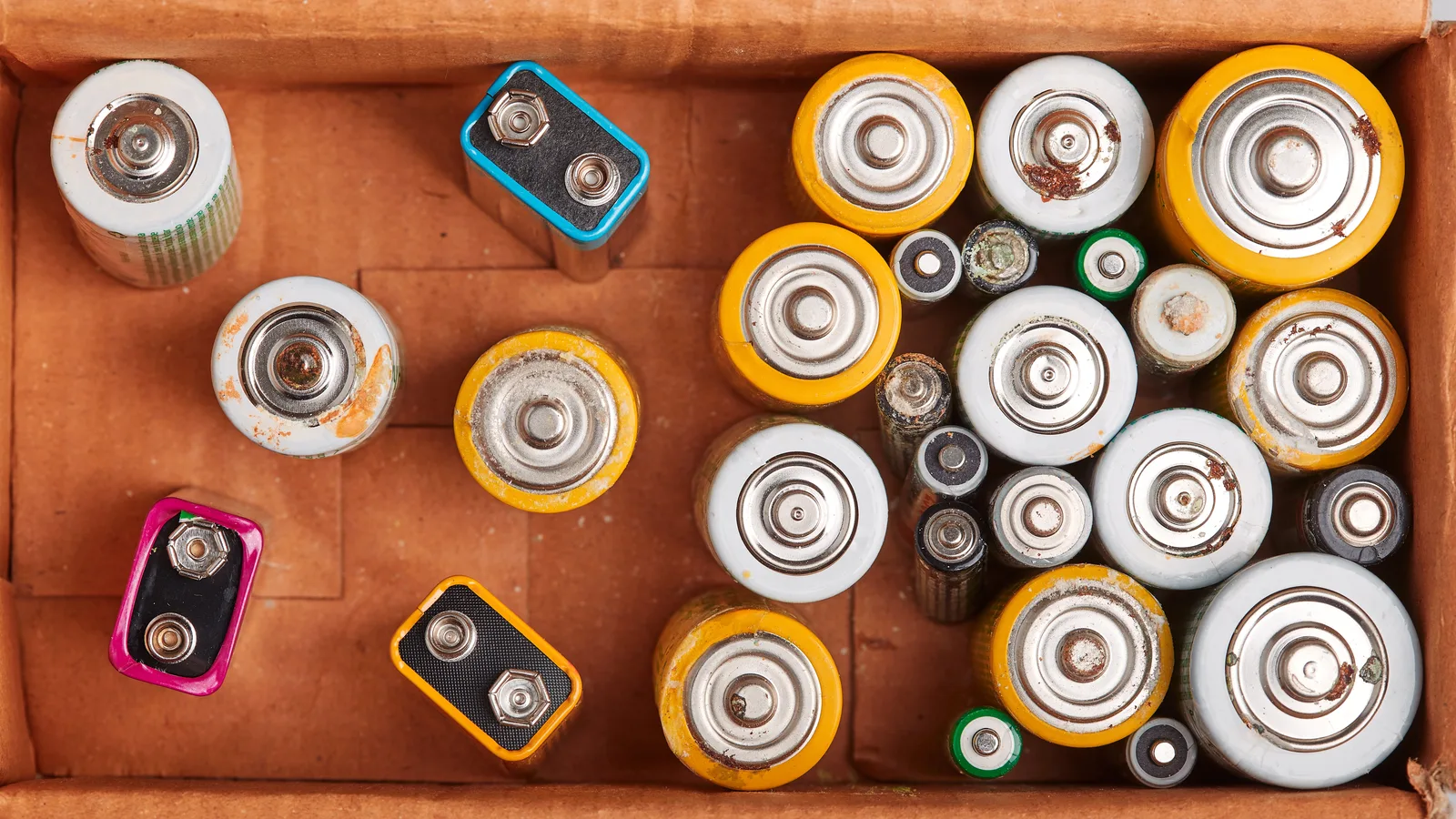
The weeks before the holidays are when a lot of households clear out a junk drawer to make room for new gadgets, and that drawer usually holds a mix of dead batteries: remote-control cells, coin cells, an old phone, a power-tool pack. The Environmental Protection Agency's guidance on lithium batteries is blunt about where they go. Lithium and lithium-ion batteries, and devices that contain them, do not belong in household garbage or in curbside recycling bins. They go to a battery recycler, an electronics recycler or a household hazardous waste collection point, and they should be packed so they cannot short out on the way.
Why the trash and the recycling bin are the wrong places
EPA's reasoning is about fire. A battery tossed into the trash or the recycling bin can be crushed or punctured by a garbage truck's compactor or by the sorting machinery at a recycling plant, and a damaged lithium battery can ignite. The agency points to an increase in fires at recycling and waste facilities around the country, and notes that even a used battery can hold enough energy to injure someone or start a fire. There is also a materials reason: lithium-ion cells contain cobalt, graphite and lithium, which the federal government counts as critical minerals, and a battery in a landfill is a battery whose materials are lost.
Which batteries in the drawer are lithium
EPA separates household lithium batteries into two groups.
- Single-use lithium metal batteries. These are common in cameras, watches, remote controls, handheld games and smoke detectors, and include coin and button cells. They can look almost identical to ordinary alkaline batteries of the same size, so EPA's tip is to read the label and look for the word lithium.
- Rechargeable lithium-ion batteries. These power phones, laptops, tablets, e-readers, cordless tools, digital cameras, children's toys, e-cigarettes and many small appliances. Some come out of the device easily; many do not.
Packing them up, step by step
- Bag each one separately. EPA's handling steps call for each battery, or each device containing a battery, to go in its own plastic bag, so terminals cannot touch each other or a loose coin or key.
- Tape the terminals. Cover the battery's terminals with a nonconductive tape, and EPA names electrical tape as the example.
- Keep damaged batteries apart. A battery that is swollen, cracked, leaking or has been dropped hard needs different handling. EPA's instruction is to contact the battery's or the device's manufacturer for specific directions rather than packing it in with the rest.
- Leave non-removable batteries in place. Not every battery is meant to be taken out by the owner. EPA says to heed the battery and product markings; a phone or laptop with a sealed battery goes to the recycler whole.
Where to take them
For loose batteries that come out easily, such as power-tool packs, EPA points to specialized battery recyclers, retailers that run take-back programs, and the local solid waste or household hazardous waste program. For electronics with lithium-ion batteries inside, it points to certified electronics recyclers and retailer or manufacturer take-back services. The agency lists two locator tools for finding a drop-off near a ZIP code: Earth911's recycling database and Call2Recycle, the battery take-back program. EPA notes it does not endorse either; they are listed so consumers can find a location.
Because collection rules vary by town and county, the local household hazardous waste program's own page is the authority on what it accepts and when it holds collection days.
Loading comments…