












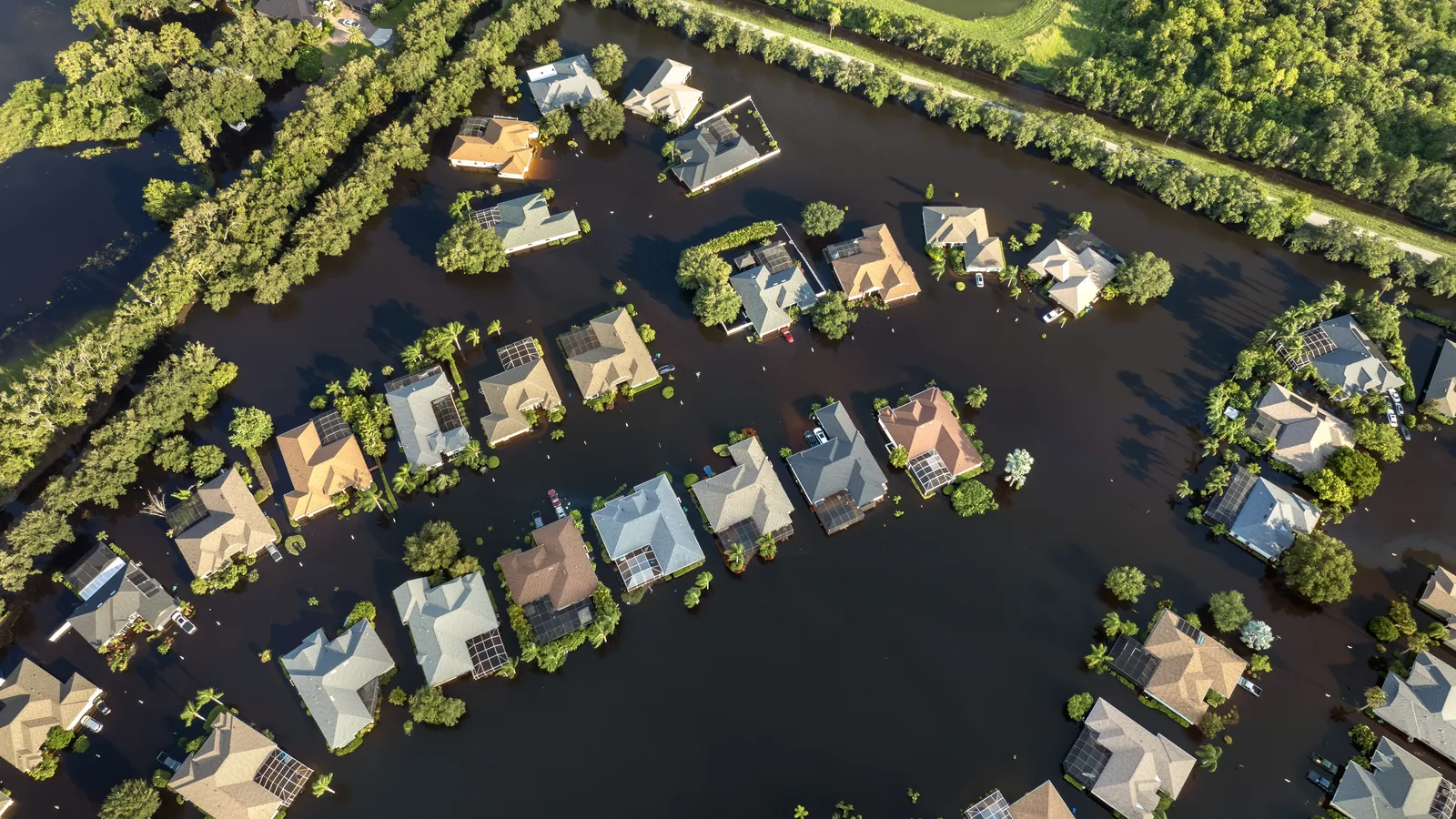
Flood insurance is the one common home policy that cannot be bought on the morning a storm is forecast and relied on that night. Under the National Flood Insurance Program, run by the Federal Emergency Management Agency, a new policy generally takes effect 30 days after it is purchased. The rule exists so that coverage is not bought only once a flood is already on the way, and FEMA's own consumer materials list it as a reason not to wait until a storm appears in the forecast.
Why it matters even outside hurricane season
Standard homeowners policies do not cover flood damage, so for most households the NFIP or a private flood policy is the only flood coverage there is. Flooding is not only a coastal or summer risk: snowmelt, ice jams and heavy rain bring floods in winter and spring. A policy bought in the days before a thaw or a rain event would not yet be in force.
The three exceptions in FEMA's Flood Insurance Manual
- A loan closing. When coverage is bought in connection with making, increasing, extending or renewing a loan secured by the building, the 30-day wait does not apply and coverage can begin at the loan closing, provided the application and premium reach the NFIP within the required time. This is how buyers in high-risk zones, where federally regulated lenders require flood insurance, have coverage in place on closing day.
- A flood map revision. When a map revision newly places a building in a Special Flood Hazard Area, coverage bought during the 13 months after the revision takes effect after a one-day waiting period.
- Flooding after a wildfire. Burned ground sheds water, and FEMA allows a one-day wait for a privately owned property when the flooding is caused or made worse by a wildfire on federal land and the policy was bought before the fire was contained or within 60 days after containment.
What the policy covers once it starts
An NFIP policy for a home covers the building up to $250,000 and its contents up to $100,000, purchased as separate coverages. Contents coverage is optional and has to be bought specifically; renters can buy contents coverage on its own. Each has its own deductible, and both are subject to the policy's exclusions, including limits on what is covered in a basement.
Steps that follow from the rule
- Check the building's flood zone on FEMA's Flood Map Service Center, and note whether a map revision is pending in the community.
- Count 30 days from the purchase date when thinking about seasonal risk, unless one of the exceptions above applies.
- Buy through an insurance agent who sells NFIP policies, or ask the company that writes the homeowners policy; FEMA's FloodSmart site lists both routes.
- Ask whether the exception applies at a purchase or refinance closing, since the timing of the application and payment decides whether coverage starts that day.
This article reports rules, data and expert guidance. It is not legal, tax, insurance or financial advice. Talk to a licensed pro, your tax advisor or your insurer before you act on it.
Loading comments…