












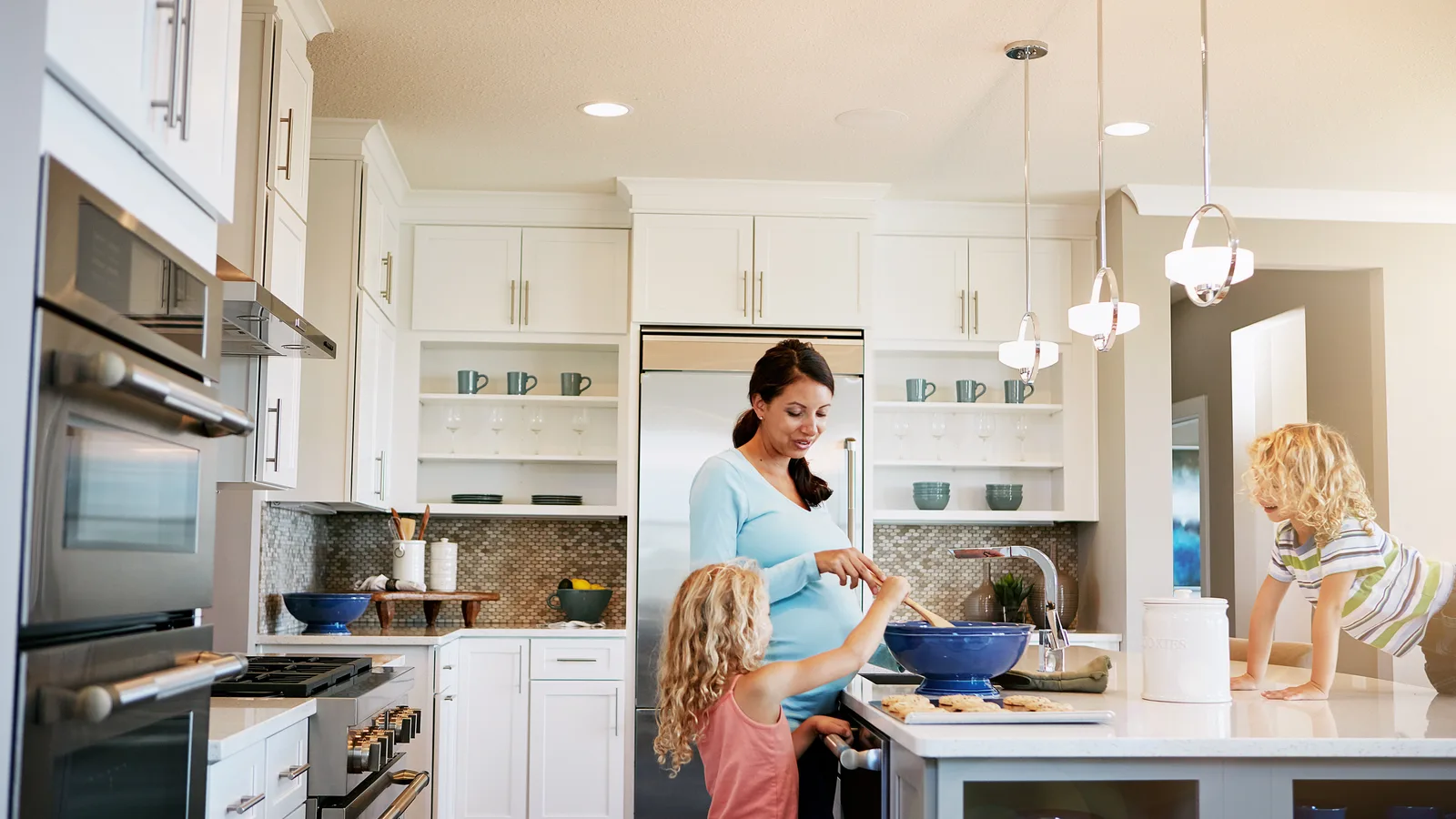
The open-plan kitchen that took over American remodels for two decades is giving ground to kitchens split into defined work zones, according to the National Kitchen & Bath Association's 2027 Kitchen Trends Report. The trade group surveyed 830 kitchen professionals online, and 81 percent of the designers in that sample said intentional zoning is a lasting change rather than a passing style.
Who was asked
The NKBA released the report on October 14, 2026. Every respondent had designed, specified or sold products for at least one kitchen project in the previous 12 months. Designers made up 62 percent of the responses; the rest were dealers and showroom staff, manufacturers, remodelers and architects. Ninety percent work in the United States and 8 percent in Canada, and about two thirds are NKBA members. That makes this a read on what professionals expect their clients to ask for, not a measure of what homeowners are actually building, and the association does not publish a margin of error.
Layouts: zones, back kitchens and smaller ambitions
The numbers point the same way. Forty-seven percent of respondents named dedicated prep spaces and back kitchens as up and coming, 46 percent named semi-enclosed layouts and 41 percent named partially concealed kitchens. Eighty-six percent agreed layouts are getting simpler, with less on display.
Fewer professionals expect kitchens to keep getting bigger. Fifty-two percent expect footprints to grow over the next three years, down from 76 percent in the 2026 edition of the same survey. The space is moving next door instead: 94 percent expect attached mudrooms to be popular over the same period, and 45 percent and 43 percent expect mudroom and laundry spaces to grow.
Pantries are part of the same shift. Eighty-eight percent said pantries are turning into working extensions of the kitchen, 73 percent expect dedicated small-appliance stations and 67 percent expect walk-in pantries to be popular. Ninety percent expect dedicated beverage areas, up from 85 percent a year earlier.
Materials and color
Quartzite was the countertop material most expected to be a key design feature, at 78 percent, just ahead of quartz at 74 percent, and 48 percent said honed or matte finishes are preferred. White oak was the preferred wood for 49 percent. Eighty-five percent agreed cabinetry is being designed to hide appliances, and 64 percent said open shelving is on its way out.
Neutrals remain the top color family at 96 percent. Greens slipped to 83 percent from 86 percent and blues to 75 percent from 78 percent.
Lighting, resilience and technology
Eighty-four percent of respondents agreed kitchens will use several layers of light, with under-cabinet fixtures the most expected at 87 percent, followed by lights inside cabinets at 76 percent and recessed lights at 57 percent.
Some of the clearest signals are about protecting the house rather than decorating it. Sixty-five percent expect leak detection and automatic water shutoff valves to be in demand, 62 percent expect backup power and 53 percent expect ventilation and air filtration.
Artificial intelligence drew far less interest. Only 27 percent expect ovens that recognize food to be wanted in 2027, and 24 percent expect appliances that learn cooking preferences. More respondents expect air fryer functions (57 percent) than convection (46 percent), and 37 percent expect Wi-Fi connected refrigerators.
What it means if you are planning a kitchen
When it came to return on investment, respondents ranked cabinet upgrades first at 54 percent and reworking the layout second at 49 percent. Those are professional expectations, not resale data. Before committing to a layout change, ask a designer or contractor which walls are structural, which moves need plumbing, gas or electrical permits in your town, and how a leak sensor or shutoff valve would be wired into the plan, since those are the line items most likely to change the price.
This article reports rules, data and expert guidance. It is not legal, tax, insurance or financial advice. Talk to a licensed pro, your tax advisor or your insurer before you act on it.
Loading comments…