












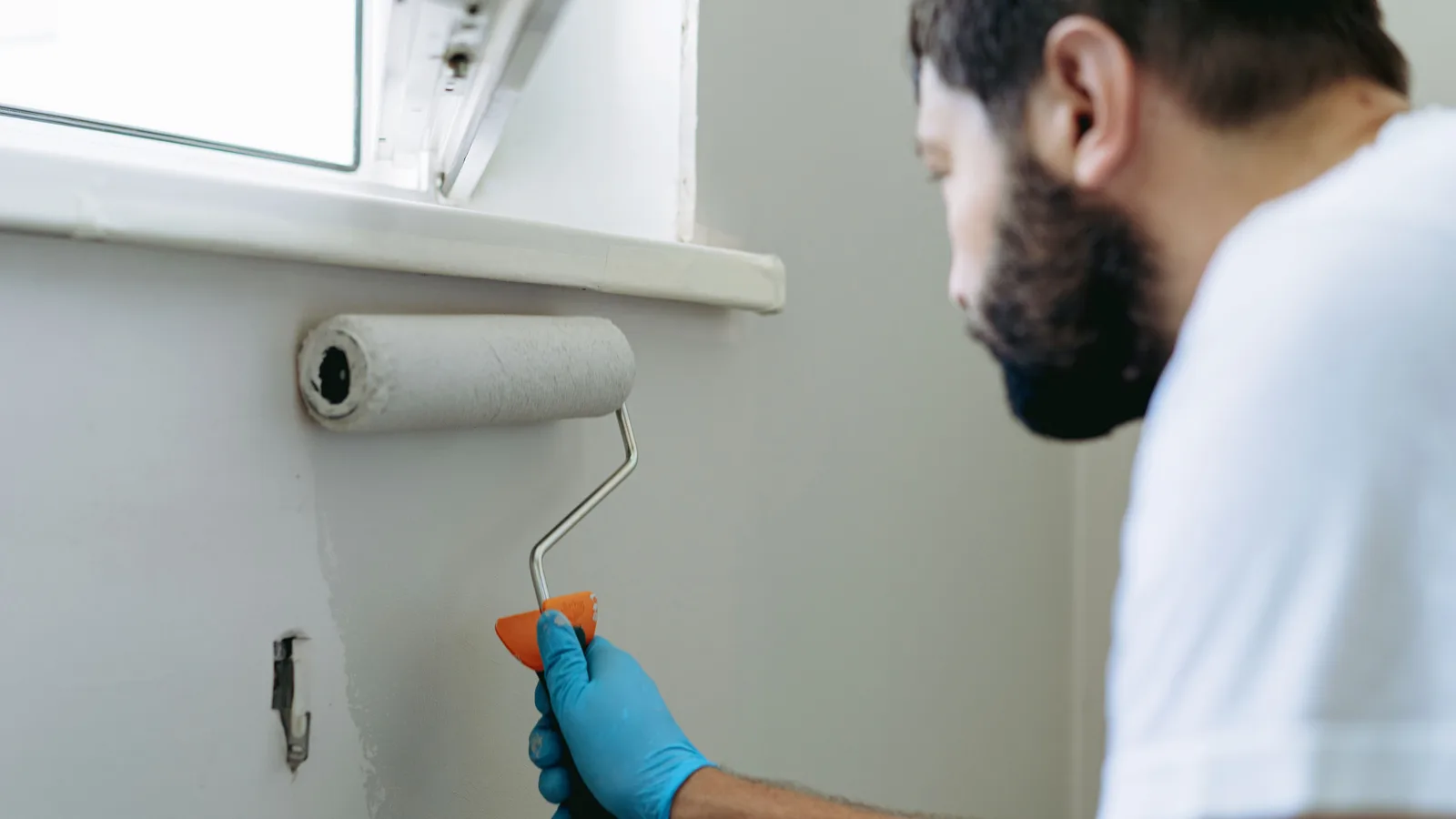
A fresh coat of paint is one of the most common projects before guests arrive. Paints, paint strippers and the solvents used to clean up after them release volatile organic compounds, or VOCs, and the Environmental Protection Agency has specific guidance on keeping that exposure down inside a house.
What VOCs are, and how much higher they run indoors
VOCs are gases given off by certain solids and liquids, and they include a range of chemicals, some with short-term and some with long-term health effects, according to EPA. Concentrations of many VOCs are consistently higher indoors than outdoors, up to ten times higher. EPA's Total Exposure Assessment Methodology studies, completed in 1985, found about a dozen common organic pollutants at 2 to 5 times higher levels inside homes than outside, in rural and industrial areas alike.
During certain activities and for several hours afterward, the levels can climb much further. EPA gives paint stripping as an example, when indoor levels may reach 1,000 times background outdoor levels.
Where they come from
EPA's list of household sources starts with paints, paint strippers and other solvents, wood preservatives and aerosol sprays, and also includes cleansers and disinfectants, air fresheners, stored fuels, hobby supplies, glues and adhesives, permanent markers, building materials and furnishings.
What exposure can do
EPA lists eye, nose and throat irritation, headaches, loss of coordination and nausea among the effects, along with damage to the liver, kidneys and central nervous system. Some organic compounds cause cancer in animals, and some are suspected or known to cause cancer in people. EPA also notes that little is known about the health effects of the levels usually found in homes, and that there are no federally enforceable standards for VOCs in non-industrial settings.
EPA's steps for a painting project
- Ventilate. Increase ventilation whenever VOC-emitting products are in use. If a label says to use the product in a well-ventilated area, EPA says to work outdoors or in an area with an exhaust fan, and otherwise to open windows.
- Follow the label. Use products as the manufacturer directs, and never mix products unless the label says to.
- Take extra care with strippers and spray paint. Methylene chloride, found in some paint strippers, adhesive removers and aerosol spray paints, should be used outdoors when possible and indoors only with good ventilation.
- Buy only what the job needs. EPA recommends limited quantities of occasional-use products such as paint and paint stripper, because gases can leak even from closed containers.
- Store leftovers away from living space. Keep stored paint and related materials in a well-ventilated area, out of the reach of children and pets.
- Dispose of them properly. Partly full containers of old or unneeded chemicals do not go in the garbage. EPA points to local household hazardous waste collection days.
Before the brush comes out
For a room guests will sleep in, the practical order from EPA's guidance is to read the product label first, plan for open windows or an exhaust fan during the work and for hours afterward, buy only the amount the room needs, and look up the local household hazardous waste schedule for whatever is left.
Loading comments…