












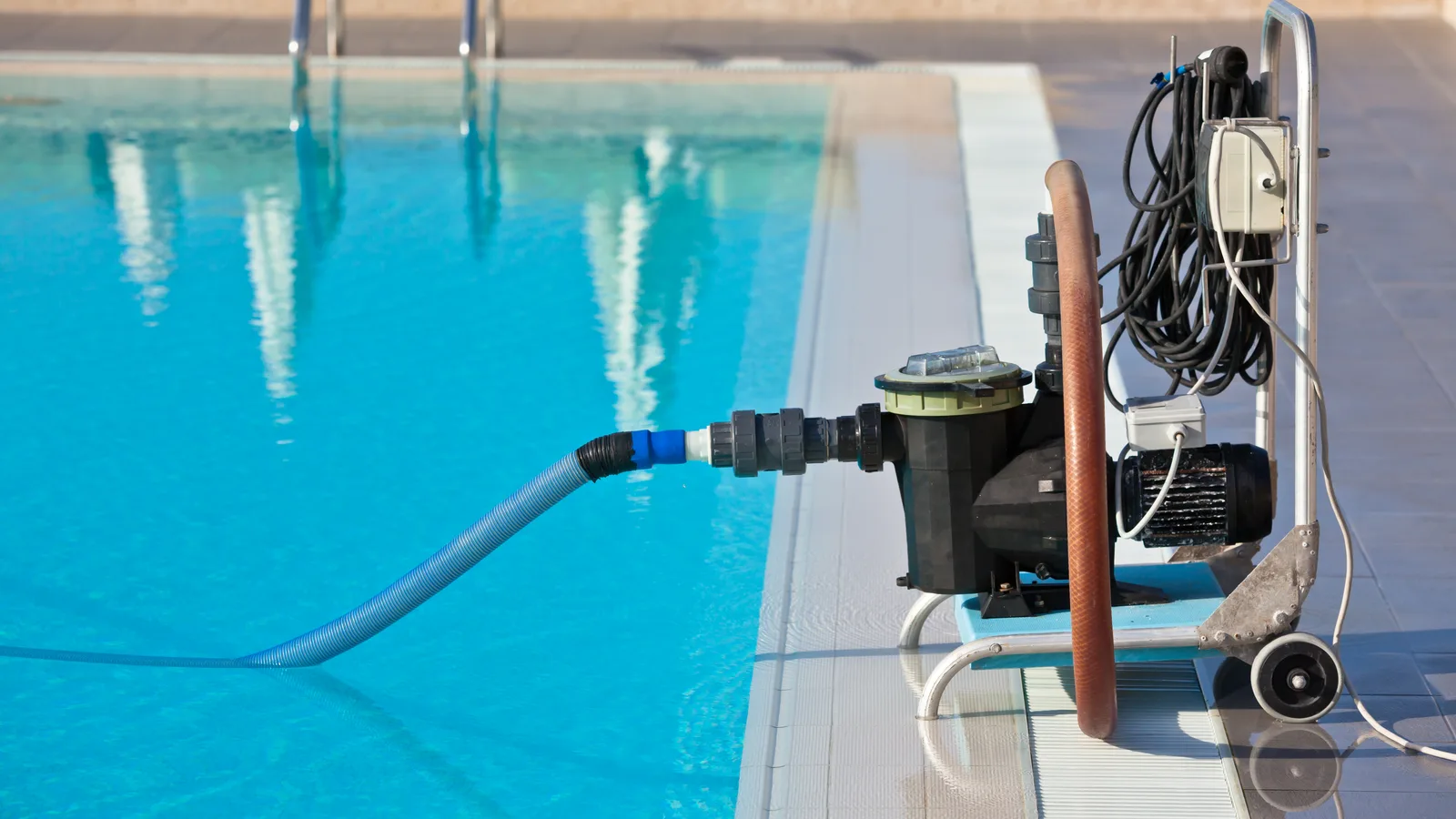
A standard in-ground pool pump costs approximately $310 a year in electricity, according to ENERGY STAR's 2024 Quick Reference Guide, and an ENERGY STAR certified in-ground pump can save up to 380 kilowatthours (kWh), or approximately $50, a year compared with a conventional pump. Those figures sit on top of a federal efficiency rule that has applied to new residential pool pumps since July 19, 2021, and a second rule for replacement pump motors that is still phasing in.
What the 2021 federal pump standard changed
The U.S. Department of Energy (DOE) set the first national energy conservation standards for dedicated-purpose pool pumps in a direct final rule published January 18, 2017, effective May 18, 2017. Compliance was required for pumps manufactured in or imported into the United States on and after July 19, 2021. The standards are mostly performance based, scored in weighted energy factor (WEF), which counts thousands of gallons pumped per kWh. Integral sand and cartridge filter pumps, the kind sold with seasonal above-ground pools, instead had to ship with a timer.
For self-priming pool filter pumps, DOE's analysis represented the adopted level with a variable-speed motor. DOE estimated an average life-cycle cost savings of $2,140 (in 2015 dollars) for a standard-size self-priming pump (0.711 to 2.5 hydraulic horsepower), with a simple payback of 0.7 years, and put the average pump lifetime at 4 to 7 years depending on class.
DOE's own standards page lists no amended pump standard since then. It opened a review with a request for information on January 24, 2022, and both comment periods are closed.
The newer rule covers replacement motors
The groups that petitioned DOE for motor rules told it that a pool pump's motor often fails before the pump itself, so motors are commonly replaced on their own. DOE published a separate final rule for dedicated-purpose pool pump motors on September 28, 2023, effective November 27, 2023. Motors of 1.15 to 5 total horsepower must have variable-speed control as of September 29, 2025. Motors under 0.5 total horsepower face a 69 percent full-load efficiency floor from the same date. Motors from 0.5 to under 1.15 total horsepower must have variable-speed control as of September 28, 2027. In an enforcement policy dated April 24, 2026, DOE said it will delay enforcement for those small-size motors manufactured on or after September 28, 2027, but before March 26, 2029.
What ENERGY STAR's numbers assume
ENERGY STAR's 2024 guide compares a certified pump with a conventional pump and states these figures for each type:
- In-ground: up to 380 kWh or about $50 saved per year, $320 over a 7-year lifetime, 18 percent less energy, against a standard pump costing about $310 a year to run.
- Above-ground: about $20 saved per year and $90 over a 5-year lifetime, 11 percent less energy, against a standard pump costing about $180 a year.
- Pressure cleaner booster: about $30 saved per year and $130 over a 5-year lifetime, 20 percent less energy, against a standard booster costing an average of $140 a year.
The guide does not state the electricity price, daily run hours, pool size or climate behind those dollar figures, so they are national illustrations, not a quote for any one yard. That is the reason to redo the math at your own rate. ENERGY STAR's pool pump fact sheet adds that filtration needs about half the flow of pool cleaning, and at half the flow a pump uses about one-eighth the power, which is why run speed and hours matter as much as the label.
How to compute your own cost
The U.S. Energy Information Administration's Electric Power Monthly, Table 5.6.A (data for August 2026, released October 23, 2026), puts the average U.S. residential price at 18.16 cents per kWh, up from 17.57 cents in August 2025. The 2026 values are preliminary. State averages that month ran from 12.72 cents in Nevada to 47.18 cents in Hawaii.
- Find your rate: divide the energy charges on your bill by the kWh billed, or look up your state in Table 5.6.A.
- Find the pump's draw in watts at the speed it runs. If the controller or manual lists watts for each speed, use that; otherwise ask a pool contractor to determine it, which ENERGY STAR's fact sheet lists as part of a proper replacement.
- Multiply watts by hours per day by days of the swim season, then divide by 1,000 for kWh.
- Multiply kWh by your rate in dollars.
As arithmetic on the published figures: ENERGY STAR's 380 kWh in-ground savings is worth about $69 a year at the August 2026 U.S. average, about $48 at Nevada's average and about $179 at Hawaii's. Use your own months of operation, which vary widely by climate.
Before the pump or motor is swapped
A pool pump is wired to household current beside water, and replacing one or its motor means disconnecting and reconnecting that wiring. ENERGY STAR's fact sheet says the installer should calculate the pool's volume, then calibrate the new pump to the lowest motor speed that still circulates the full volume within 12 hours (the turnover period, per ANSI/NSPI-5 2003). Ask your local building department whether the job needs an electrical permit where you live. Your next step is to note the pump's current wattage and daily hours, check your utility for a rebate on certified models through ENERGY STAR's rebate finder, and ask the installer for the expected watts and run schedule of the new pump in writing.
Electrical, gas, roof and ladder work can cause serious injury. Shut off power or gas first, follow the manufacturer's instructions and local code, and hire a licensed pro for anything beyond your experience.
This article reports rules, data and expert guidance. It is not legal, tax, insurance or financial advice. Talk to a licensed pro, your tax advisor or your insurer before you act on it.
Sources
- ENERGY STAR: 2024 Quick Reference Guide for Promoting ENERGY STAR Certified Products (Pool Pumps)
- ENERGY STAR: Certified Pool Pump Fact Sheet
- U.S. Department of Energy (Federal Register): Energy Conservation Standards for Dedicated-Purpose Pool Pumps, Direct Final Rule, January 18, 2017
- U.S. Department of Energy (Federal Register): Energy Conservation Standards for Dedicated Purpose Pool Pump Motors, Final Rule, September 28, 2023
- U.S. Department of Energy: Dedicated Purpose Pool Pump Motors Enforcement Policy
- U.S. Energy Information Administration: Electric Power Monthly, Table 5.6.A, Average Price of Electricity to Ultimate Customers by End-Use Sector, by State
Loading comments…