












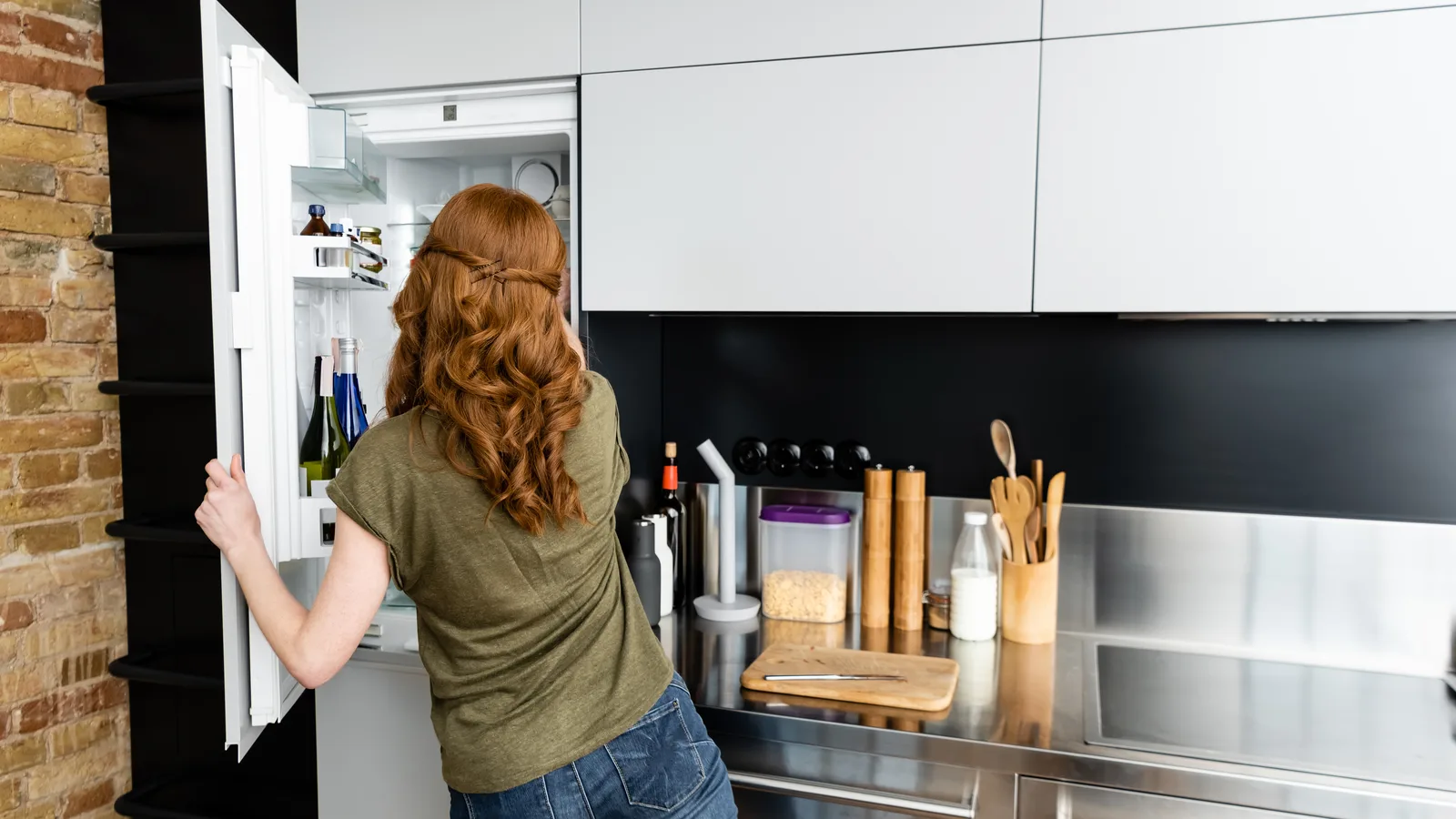
A refrigerator's control dial sets the cooling, but on most models it does not tell you the temperature inside. The Food and Drug Administration's guidance is direct about it: few refrigerator controls show actual temperatures, so the only way to know is a separate appliance thermometer. The targets are 40°F or below in the refrigerator and 0°F in the freezer, and the week before a holiday, when the shelves are about to be packed and the door opened constantly, is the week to check that the appliance actually holds them.
The two numbers
- Refrigerator: at or below 40°F (4°C).
- Freezer: 0°F (minus 18°C).
The reason is bacterial growth. The FDA notes that bacteria that cause foodborne illness can double every 20 minutes at room temperature, that some produce toxins that survive cooking, and that pathogens do not necessarily change how food looks, smells or tastes. A refrigerator running a few degrees warm gives no visible sign.
Setting up the thermometers
The FDA recommends an inexpensive freestanding appliance thermometer, one for the refrigerator and one for the freezer. Its storage guidance says to put the refrigerator thermometer toward the front, where it is easy to read, and to check both at least once a week. If a reading is above the target, adjust the refrigerator or freezer control and check again after the setting has had time to take effect.
Packing it for a holiday week
Holiday cooking puts more food in the refrigerator at once than any other week of the year, and two FDA points apply directly:
- Leave room for air. The agency says not to pack the refrigerator or freezer so tightly that air cannot circulate. A shelf crammed from back to front can leave pockets that run warmer than the thermometer near the door shows.
- Cool leftovers fast. Perishable food goes into the refrigerator or freezer within 2 hours of cooking or purchase, or within 1 hour if the temperature outside is above 90°F. Dividing large amounts into shallow containers helps them cool faster.
Spills should be wiped up right away: the FDA says that cuts down on Listeria growth and keeps drips from thawing meat off other food. The agency also advises against thawing anything at room temperature; the safe methods are the refrigerator, cold water changed every 30 minutes, or the microwave, and food thawed in cold water or the microwave gets cooked right away.
When the power goes out
A late-fall storm can take the power out in the middle of all of this, and the thermometers are what make the decisions afterward possible. Under FDA guidance:
- An unopened refrigerator keeps food cold for about 4 hours.
- A full freezer holds a safe temperature for about 48 hours if the door stays closed.
- Before an expected outage, freeze quart-size sealable bags of water and put them in the freezer and refrigerator to help hold the cold.
- Once the power is back, check both thermometers before using any food. The FDA treats refrigerated food as safe if the refrigerator is still at or below 40°F, or if the food has been above 40°F for 2 hours or less.
- Frozen food that still has ice crystals, or reads 40°F or below, can be refrozen or cooked. Check each package.
- If you cannot tell how long food was above 40°F, throw it out.
What to do next
Put one appliance thermometer at the front of the refrigerator and one in the freezer tonight, read them tomorrow before the door has been opened much, and turn the control colder if the refrigerator reads above 40°F or the freezer above 0°F. Then check again once a week, and on the morning of any day the refrigerator is about to be filled.
Loading comments…