












A renter looking at an apartment or house built before 1978 is owed a specific set of papers about lead-based paint before signing the lease, under the federal Lead-Based Paint Disclosure Rule that the Environmental Protection Agency enforces with the Department of Housing and Urban Development. The rule does not require the landlord to test the paint or fix it. It requires the landlord to say what is known, hand over what is on file, and give the renter a federal pamphlet, all before the lease is binding.
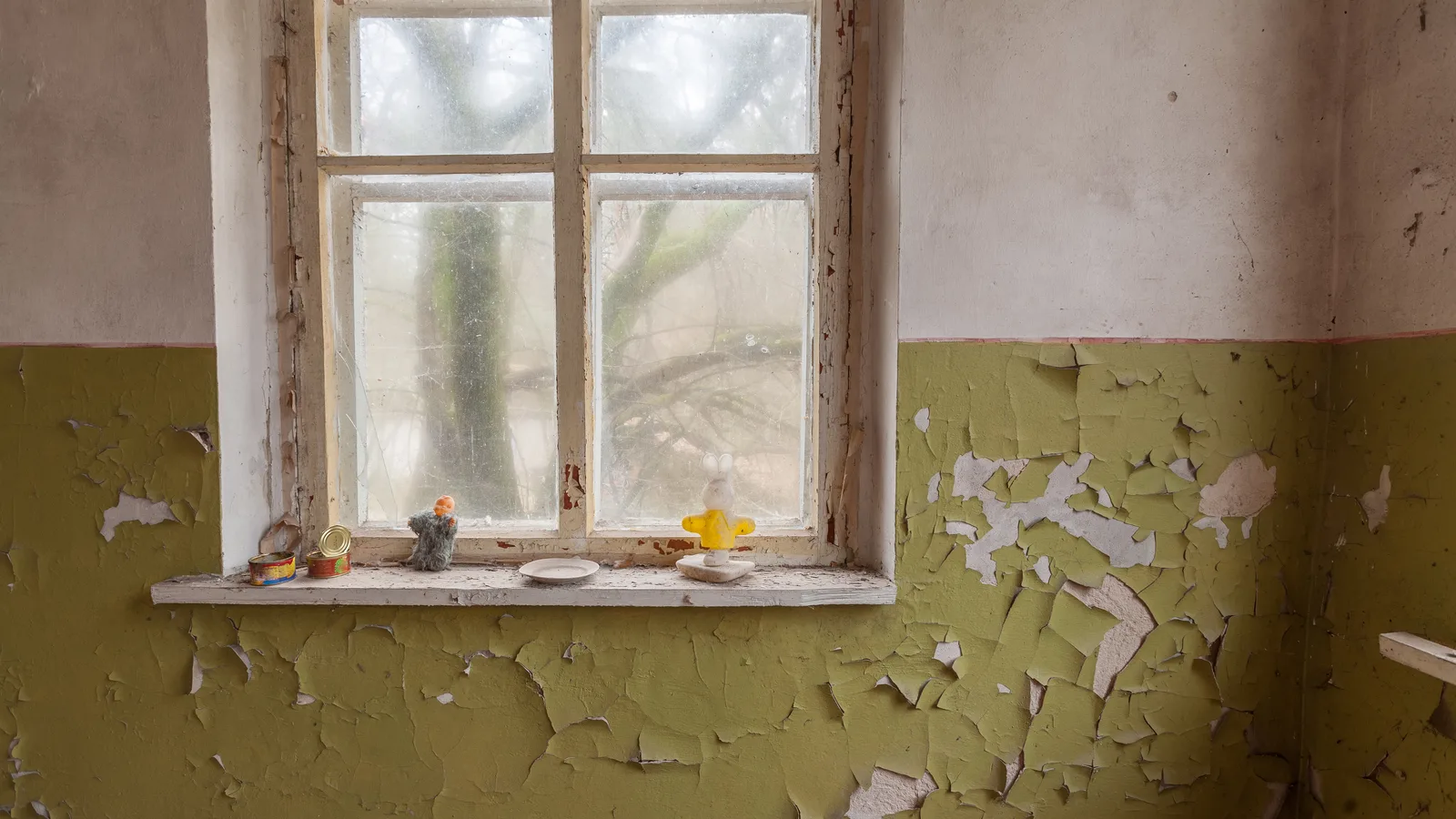
The cutoff year matters because homes built before 1978 may still have lead-based paint under newer coats. The EPA describes paint that is peeling, chipping, cracking or otherwise damaged as a hazard that needs prompt attention. With winter keeping families indoors and radiators and window sashes in daily use, an older rental is exactly where that question comes up.
What the landlord has to hand over
Before a renter signs a lease on covered housing, the EPA says the landlord, the property manager or the agent acting for them must do four things:
- Give the pamphlet. The renter receives a copy of the EPA booklet Protect Your Family From Lead in Your Home, which explains how lead hazards are found and controlled. It is published in several languages.
- Disclose what is known. Any information the landlord has about lead-based paint or lead hazards in the unit or the building, which can include where the paint is and what condition it is in.
- Share the records. All available reports on lead in the housing being leased. In a multi-unit building that includes reports for common areas and other units that came out of building-wide evaluations.
- Include the Lead Warning Statement. A standard warning, attached to the lease or written into it, in the same language as the rest of the lease, confirming the landlord has complied with the rule.
The EPA publishes a sample lessor's disclosure form in English and Spanish that covers these items on one page. Landlords must keep a signed copy of the disclosure for three years after the lease begins. If the disclosure is delivered electronically, the renter has to consent to electronic delivery and be told of the right to paper copies.
Which rentals the rule does not cover
The EPA lists the exceptions. The rule does not apply to:
- Housing built after 1977.
- Zero-bedroom units such as efficiencies, lofts and dormitories, unless a child under six lives there or is expected to.
- Leases of 100 days or less with no possible renewal or extension, such as vacation rentals.
- Housing set aside for older adults or people with disabilities, unless a child under six lives there or is expected to.
- Housing where a certified lead inspector or risk assessor has tested the painted surfaces and found them free of lead-based paint.
What the rule does not require
A renter has no federal right to a paint inspection before signing. Home buyers get a 10-day window to arrange one under the same rule; renters do not. A renter can ask the landlord to have a certified inspector check the unit, but the EPA says landlords are not required to do so under the disclosure rule. A renter who wants an answer can hire an inspector or risk assessor, who can be found through the EPA's online professional locator.
The disclosure rule is also separate from what happens when work is done. Repairs or renovations that disturb painted surfaces in pre-1978 housing fall under the EPA's Renovation, Repair and Painting rule, which requires certified firms and lead-safe work practices. Some states and cities add their own, stricter rental lead laws on top of the federal floor, and the state health department is where to check.
If the papers never came
A landlord, manager or agent who fails to give the required information can face federal penalties, the EPA says. A renter who did not receive the disclosure for pre-1978 housing can report it through the EPA's lead violation page at epa.gov/lead/violation. Before signing anything on an older unit, the practical step is to ask for the lessor's disclosure form and read it, along with the pamphlet, while the lease is still unsigned.
Loading comments…