












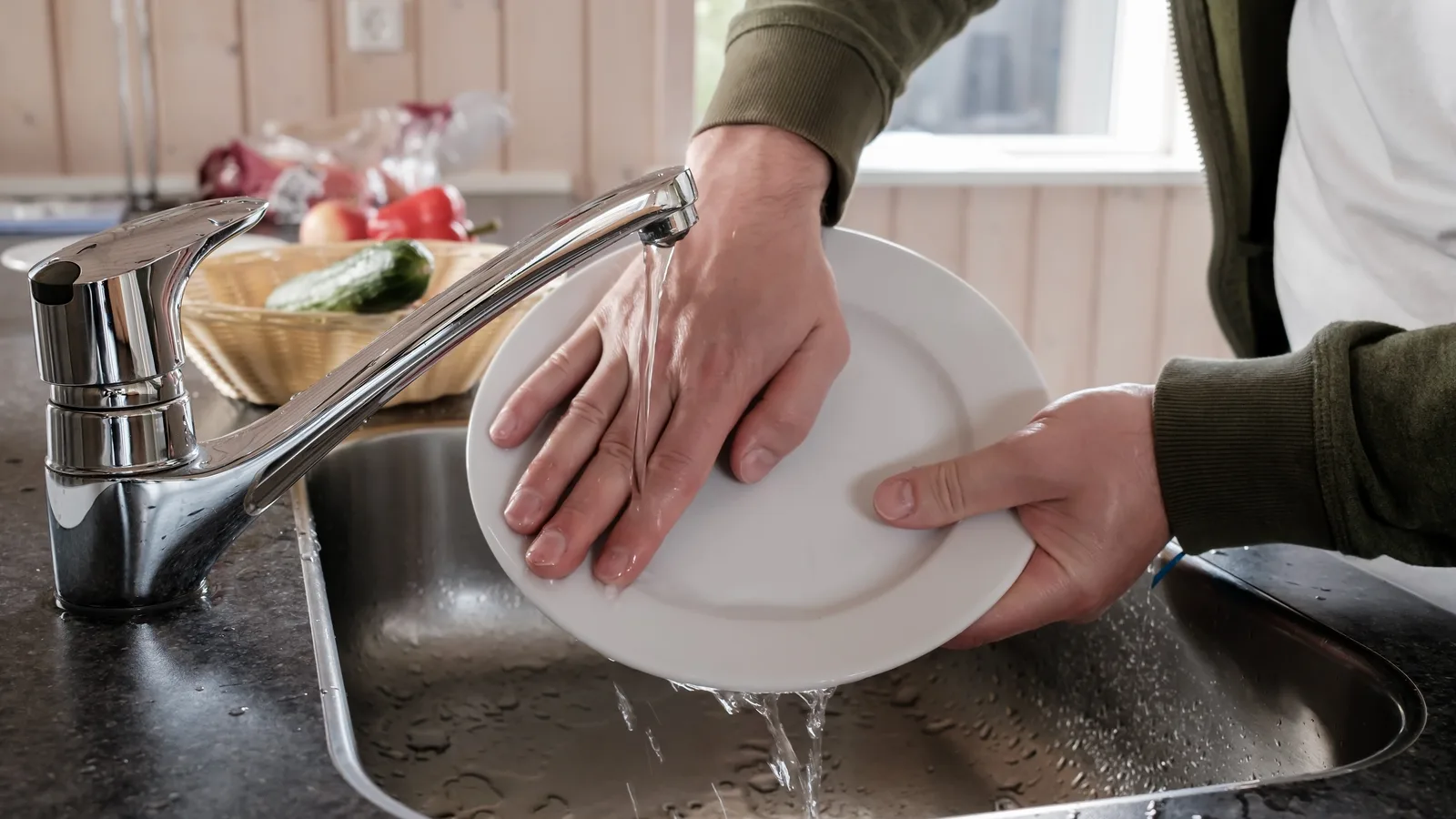
A full house for Thanksgiving can send several days of wastewater into a septic tank in one weekend, and the U.S. Environmental Protection Agency's SepticSmart program has a short list of habits for that stretch. Its 2016 holiday postcard for homeowners asks hosts to stagger the use of water-based appliances across the season, keep food waste and cooking grease out of the sink, and flush nothing but human waste and toilet paper.
Why a crowd strains the system
EPA describes a conventional system as a buried, watertight tank followed by a drainfield. Solids sink to form sludge, grease floats as scum, and the liquid between them flows to the drainfield, where the soil treats it.
EPA notes that too much liquid can flood a drainfield, which can push sewage up to the ground surface or back it up into toilets and sinks.
For scale, EPA puts indoor water use at as much as 70 gallons per person per day. EPA also notes that one leaking or running toilet can waste up to 200 gallons a day.
Spread out the water use
EPA's general care guidance asks households to run full loads in the washing machine (or set the load size to match) and to spread laundry over the week instead of doing it all in one day. For a holiday, that translates into a few concrete moves:
- Wash guest towels and sheets before people arrive, and hold the post-visit laundry for the following days instead of running it all at once.
- Run the dishwasher only when it is full, and avoid running it back to back with the washing machine.
- Stagger morning showers when you can.
- Fix any running toilet or dripping faucet before the visit.
Keep grease and food scraps out of the drain
Holiday cooking produces a lot of fat. EPA asks homeowners never to pour cooking oil or grease down the drain, and it counts butter, cheese, heavy cream and fats in general as grease. Let roasting pan drippings cool and harden, then scrape them into the trash.
The garbage disposal is the other holiday pressure point. EPA advises limiting its use because ground food adds solids to the tank, and a household that relies on a disposal will need to pump more often.
Tell guests what the toilet can take
EPA's rule for the toilet is human waste and toilet paper only. Its list of items to keep out includes wipes of every kind (including those labeled flushable), feminine hygiene products, diapers, condoms, dental floss, paper towels, cat litter, coffee grounds, cigarette butts, cooking grease, medications and household chemicals. A wastebasket in each guest bathroom gives the rest somewhere to go.
Parking matters too. EPA says not to park or drive on a drainfield, since the weight can damage the buried pipes. If guests will park on the lawn, mark the drainfield area first.
Signs something is wrong
EPA lists these as signs of a failing system:
- Water or sewage backing up from toilets, drains or sinks.
- Tubs, showers and sinks that drain very slowly.
- Gurgling in the plumbing.
- Standing water or damp spots over the tank or drainfield.
- Sewage odors near the tank or drainfield (EPA notes a blocked or frozen roof vent can also cause odors).
- Bright green, spongy grass over the tank or drainfield, even when the weather is dry.
Clemson Cooperative Extension's 2022 fact sheet on septic failures adds patches of dead grass that outline the tank or drainfield, and seals around sinks and toilets that have broken loose.
If sewage backs up into the house, EPA says to avoid contact with it, since it can carry pathogens. Its cleanup guidance calls for rubber gloves, a disinfecting mix of 90 percent water and 10 percent household bleach, and staying out of the area until it has been dry for at least 24 hours. For the system itself, EPA points homeowners to a local septic service provider, the local health department or the state onsite wastewater agency, which also handles any permits a repair needs.
Pumping and inspection intervals
EPA recommends that a septic professional inspect a household system at least every three years, and that a typical household tank be pumped every three to five years. Systems with pumps, float switches or other mechanical parts should generally be inspected once a year. EPA says to pump sooner when the bottom of the scum layer is within 6 inches of the tank outlet, the top of the sludge is within 12 inches of it, or sludge and scum together take up more than 25 percent of the liquid depth.
This article reports rules, data and expert guidance. It is not legal, tax, insurance or financial advice. Talk to a licensed pro, your tax advisor or your insurer before you act on it.
Before the guests arrive, find your last pumping receipt. If it is more than three years old, or you cannot find one, call a septic service provider to schedule an inspection before the first guest arrives.
Loading comments…