












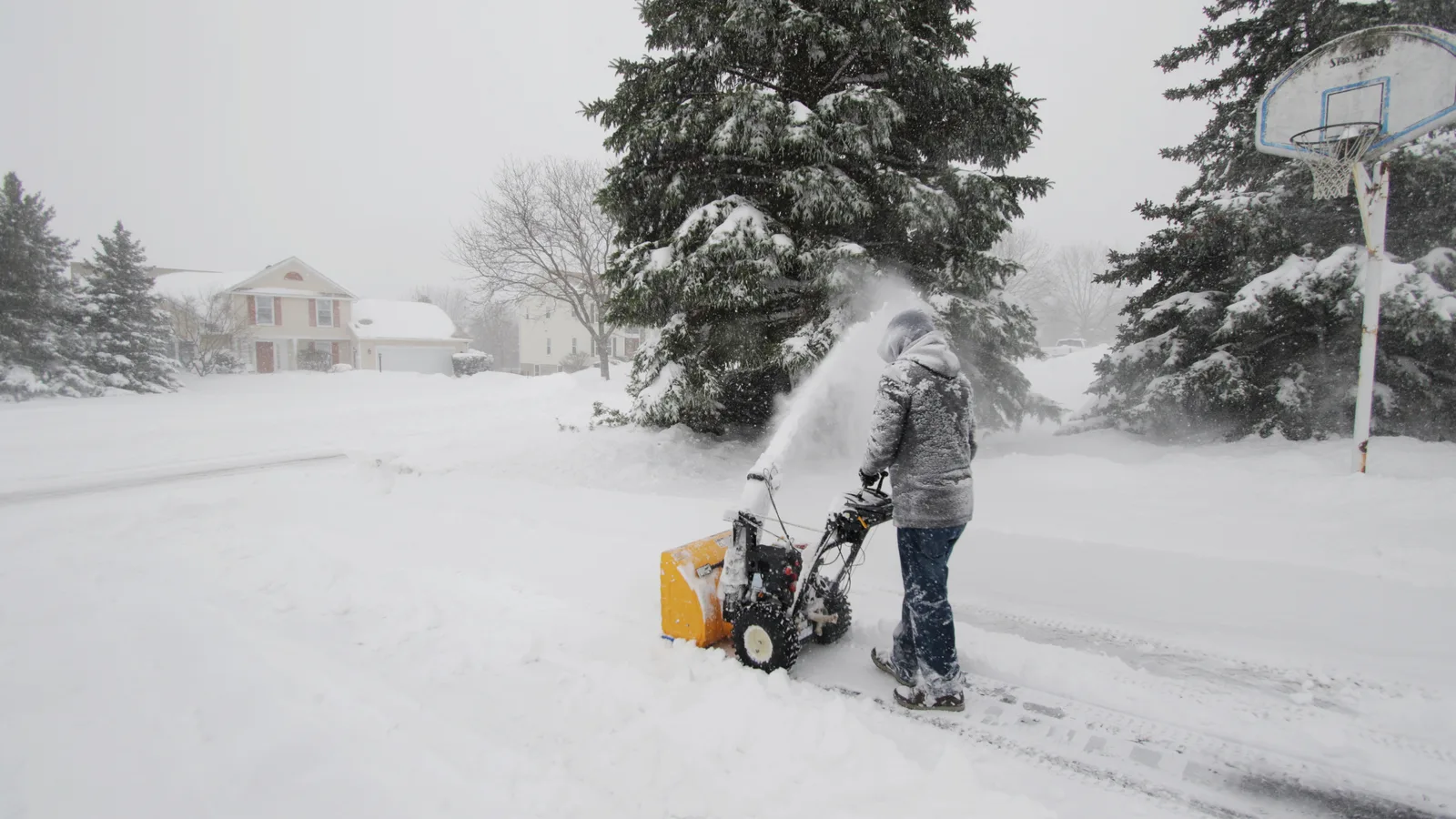
The Consumer Product Safety Commission counted more than 4,200 snow blower injuries treated in U.S. emergency rooms in 2021, and more than 40 percent of them were to the wrist, hand or finger. Most of the work that keeps a machine from jamming, stalling or failing on the first storm of the season can be done in an afternoon in the driveway, before the forecast turns.
Start with the fuel
Fuel is where most preseason trouble begins. Toro's owner's manuals for its gas snow throwers call for clean, fresh unleaded gasoline rated 87 octane or higher, used within 30 days of purchase. Blends with up to 10 percent ethanol (E10) are acceptable in those manuals; E15, E85 and any gasoline containing methanol are not. The same manuals say not to keep fuel in the tank or in a gas can over a storage season unless a fuel stabilizer has been added.
Ariens gives similar direction for a machine coming out of storage: add fresh fuel with as little ethanol as possible, and add stabilizer if the fuel system was not emptied or treated before the machine was put away. If the engine is hard to start or surges, Ariens notes that a gummed-up fuel system may need a fuel system cleaner, or the carburetor may need cleaning or replacement by a dealer. Check the ethanol label on the pump before filling the can.
Handle the fuel outdoors. Toro's manuals say to fill the tank outdoors with the engine cold, to set the can on the ground rather than in a vehicle or truck bed, and not to fill above the bottom of the filler neck. The CPSC adds two points: never add gasoline to an engine that is running or still hot, and store gasoline in a container with a child-resistant closure.
Oil, spark plug and belts
Check the oil before each use. Toro's manuals list an API service classification of SJ or higher and a viscosity picked from the outdoor temperature chart in the manual, since winter oil needs differ by climate. Ariens describes the change itself: drain the old oil through the drain plug, reinstall the plug, and refill with fresh oil to the manufacturer's specification. Ariens says an oil change is needed every few seasons, so the right interval for a given machine is in its manual.
Ariens also recommends a new spark plug after a couple of years of use: pull the plug wire, remove the old plug, thread in the new one and snug it without overtightening. Then remove the belt cover and look at the belts. Toro's manuals say to replace a drive belt that is worn, cracked, frayed, oil-soaked or otherwise damaged.
Shear pins and skid shoes
Two-stage machines connect the auger to its shaft with shear pins, bolts made to break on purpose when ice, a rock or a newspaper jams the auger, so the gearcase is not damaged. Ariens says the signs of a broken pin are a machine that pushes snow instead of throwing it, or snow piling up on either side of the auger housing. To check, stop the engine, remove the key, disconnect the spark plug wire and wait for everything to stop. If a pin head or nut is missing and the auger spins freely on its shaft, the pin has broken.
Replace a broken pin only with the part number listed in the owner's manual. Ariens warns that a pin rated for more torque than the machine can lead to serious damage, which is why a hardware store bolt is not a substitute. Pins cost far less than an auger or gearcase, and keeping a few spares in the garage means a jam in the middle of a storm is a short repair.
Skid shoes set how close the auger housing rides to the ground. Toro's manuals describe the adjustment: loosen the skid bolts, slide a board about 3/16 inch thick under the scraper, lower the skids flat to the ground and tighten the bolts. Ariens says worn skid shoes can often be rotated 180 degrees or replaced, and that the scraper bar should be checked at the same time.
Test run, outdoors only
Ariens recommends running the engine for at least five minutes to warm it and move fresh fuel through the system, then engaging the auger and the drive a couple of times to confirm both work. Afterward, look under the machine for drips and recheck the belts.
Run it outside, with the garage door open and the machine clear of the doorway. The CPSC says never to leave a gas-powered snow blower running in an enclosed area, because its exhaust carries carbon monoxide, which can kill within minutes. Toro's manuals say the same: do not run the engine indoors.
The rule for a jammed chute
Wet, heavy snow clogs chutes, and that is when hands get hurt. The CPSC's guidance is to turn the machine off and clear the clog with a cleanout tool or a long stick, never with hands. Toro's manuals add a detail: even after the engine is off, wait for every moving part to stop before reaching in with the tool, since an auger and impeller can hold tension. Toro notes that some models do not include a cleanout tool, so confirm there is one and keep it with the machine.
Before the first storm, find the owner's manual (most makers post them online by model number), confirm the fuel, oil, shear pin part number and skid setting it lists, and buy fresh E10 or lower gasoline the week you expect to use it.
Electrical, gas, roof and ladder work can cause serious injury. Shut off power or gas first, follow the manufacturer's instructions and local code, and hire a licensed pro for anything beyond your experience.
Sources
- U.S. Consumer Product Safety Commission: Cozy Up to Winter with These CPSC Safety Tips for Outdoor Activities
- Toro: SnowMaster 724 QXE and 824 QXE Snowthrower Operator's Manual
- Toro: Power Clear 721 R-C Commercial Snowthrower Operator's Manual
- Ariens: How to Get a Snow Blower Ready for Winter
- Ariens: What Are Shear Pins and Why Do I Need Them?
Loading comments…