












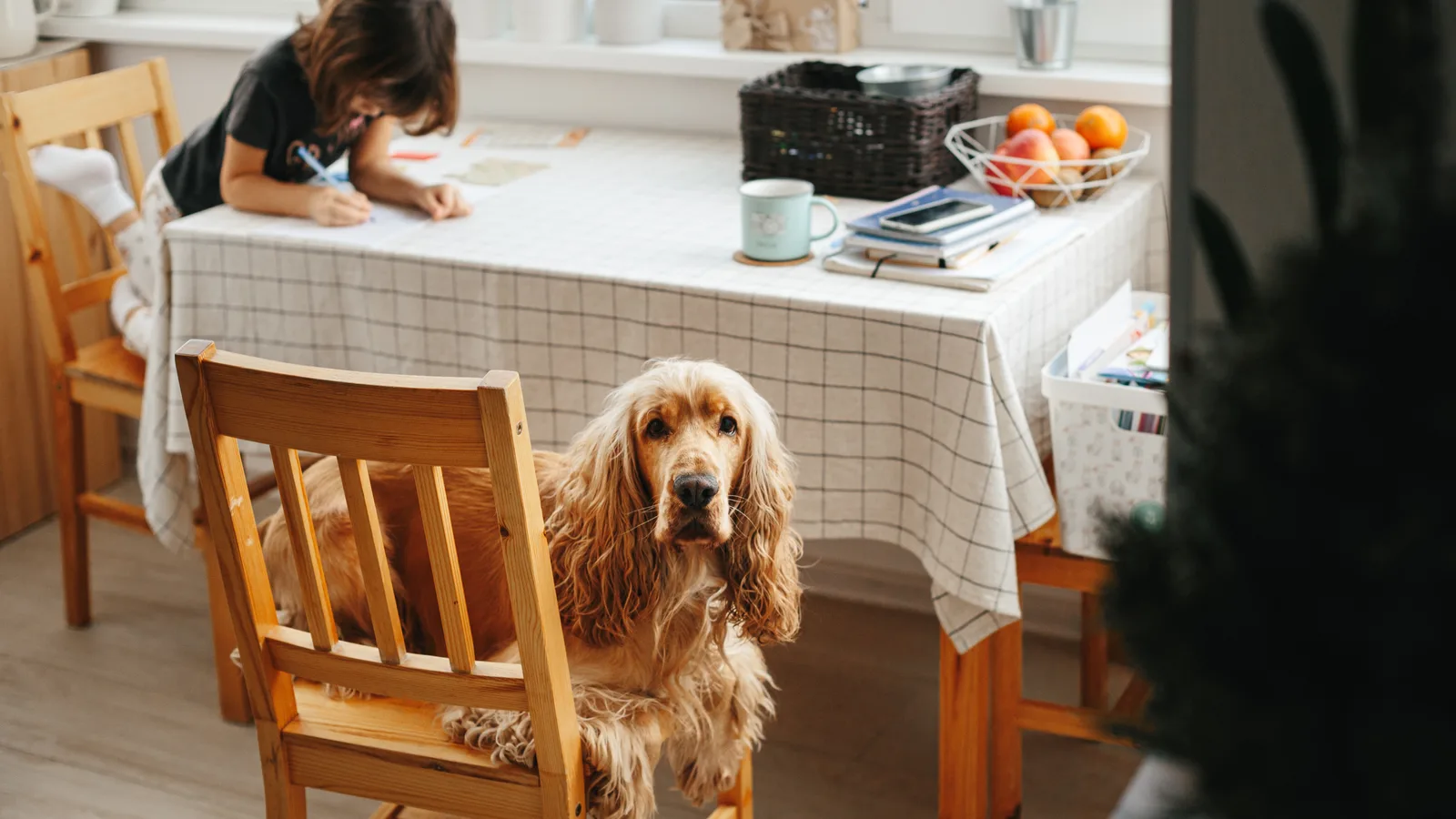
A turkey carcass in an open kitchen trash can is the hazard the U.S. Food and Drug Administration's Center for Veterinary Medicine keeps coming back to in its holiday guidance: dogs in particular go after the bones and scraps, and the FDA's advice is to wrap them and put them in a bin pets cannot get into. With Thanksgiving on Thursday, Nov. 26, the more useful work happens before the guests arrive, in how the kitchen, the trash and the house are set up. Here is what the FDA, the ASPCA Animal Poison Control Center and Pet Poison Helpline say about the specific foods, and how that translates into a plan for the day.
The foods, and why each one matters
- Turkey bones. Cooked poultry bones can splinter into sharp pieces that injure the mouth, esophagus and stomach, or lodge and block the intestines, according to FDA. The ASPCA lists poultry bones as a major choking hazard. FDA notes that signs of a blockage can show up hours to days later: vomiting, diarrhea, low energy, refusing food and belly pain.
- Skin, fat trimmings and drippings. FDA warns that poultry skin and fat trimmings can cause pancreatitis, a painful and potentially life-threatening inflammation. In dogs it shows as vomiting, stomach pain, restlessness, diarrhea, fever and weakness; in cats the signs are subtler, such as eating less and losing weight. Pet Poison Helpline says the vomiting can be delayed one to four days after a fatty meal and names miniature schnauzers, miniature poodles, cocker spaniels and older or overweight dogs as more prone.
- Raw yeast dough. Rising dough keeps expanding in a warm stomach, and the yeast makes alcohol as it does. The ASPCA and Pet Poison Helpline both describe two problems at once: painful bloating that can twist the stomach, and alcohol poisoning. Pet Poison Helpline says surgery may be needed to remove the dough.
- Onions, garlic, leeks, chives and shallots. These Allium plants damage red blood cells and can lead to anemia, according to the ASPCA, which says cats are more susceptible than dogs. Pet Poison Helpline says signs can take from 24 hours to several days to appear. Stuffing, gravy and green bean casseroles are where these usually hide.
- Grapes and raisins. Pet Poison Helpline says they can cause acute kidney failure in dogs and that no toxic dose is known, so any amount counts as potentially toxic. Signs may appear within 12 to 24 hours. The ASPCA ties the effect to tartaric acid, which dogs cannot process.
- Xylitol in desserts. This sugar substitute turns up in some sugar-free baked goods, candy, gum and nut butters. FDA says symptoms can begin within about 20 minutes, starting with vomiting and moving to dangerously low blood sugar, and that severe cases can cause liver failure. FDA treats a suspected exposure as an emergency.
- String. FDA warns that swallowed string, ribbon and similar material can tangle in the stomach or intestines and cut through the lining. Pet Poison Helpline says these cases usually need abdominal surgery. Neither agency's holiday pages single out butcher's twine or oven roasting bags, but both carry meat juices and belong in the same pet-proof trash as the bones.
Setting up the kitchen and the trash
The sources line up on a short list of setup steps:
- A lidded, latched or closed-away bin. FDA advises disposing of bones, carcasses and scraps where pets cannot reach them. The ASPCA suggests emptying the kitchen trash throughout the day or keeping pets out of the area where it sits.
- Dough out of reach while it rises. Proofing bread or rolls on a low counter or a warm floor near the stove puts it within reach of a dog.
- Desserts checked for xylitol. Read the labels on store-bought sugar-free pies, cookies and peanut butter before they go on a low table.
- Bowls of grapes, raisins and trail mix kept up high. Pet Poison Helpline lists baked goods, trail mix and granola as common surprise sources of raisins.
Setting up the house for guests
The ASPCA notes that a house full of people can overwhelm a pet and recommends a calm space, such as blankets on the floor or a bedroom with the door open, where the animal can retreat. For a pet that begs or counter-surfs, a closed room during cooking and dinner keeps it away from the table entirely. Pet Poison Helpline says it is perfectly reasonable to ask guests not to feed pets any human food, and both it and the ASPCA ask that guests keep purses and medications up and out of reach. Mentioning the no-scraps rule as guests come in covers the people who would otherwise slip a pet something under the table.
The numbers to have ready
Call your own veterinarian first if a pet eats something on this list. Both national poison lines answer around the clock, every day of the year:
- ASPCA Animal Poison Control Center: (888) 426-4435. The ASPCA's site says a one-time consultation fee may apply but does not state the amount.
- Pet Poison Helpline: (855) 764-7661. Its site lists a fee of $99 per incident, with all follow-up consultations for that incident included.
Pet Poison Helpline advises getting guidance before trying to make a pet vomit or using home remedies. Before Thursday, save both numbers in your phone, find out whether your vet is open on the holiday, and note the nearest 24-hour emergency animal hospital.
Sources
- U.S. Food and Drug Administration: Keep Your Dogs and Cats Safe From Holiday Hazards
- U.S. Food and Drug Administration, Center for Veterinary Medicine: Take the Oh No! Out of Your and Your Pets' Holiday Ho-Ho-Ho!
- ASPCA: Thanksgiving Safety Tips
- ASPCA Animal Poison Control: People Foods to Avoid Feeding Your Pets
- ASPCA: ASPCA Poison Control
- Pet Poison Helpline: Kitchen Toxins to Pets
- Pet Poison Helpline: Table Food Dogs Should Not Eat
- Pet Poison Helpline: Common Holiday Dangers
- Pet Poison Helpline: Home page (phone and fee)
Loading comments…