












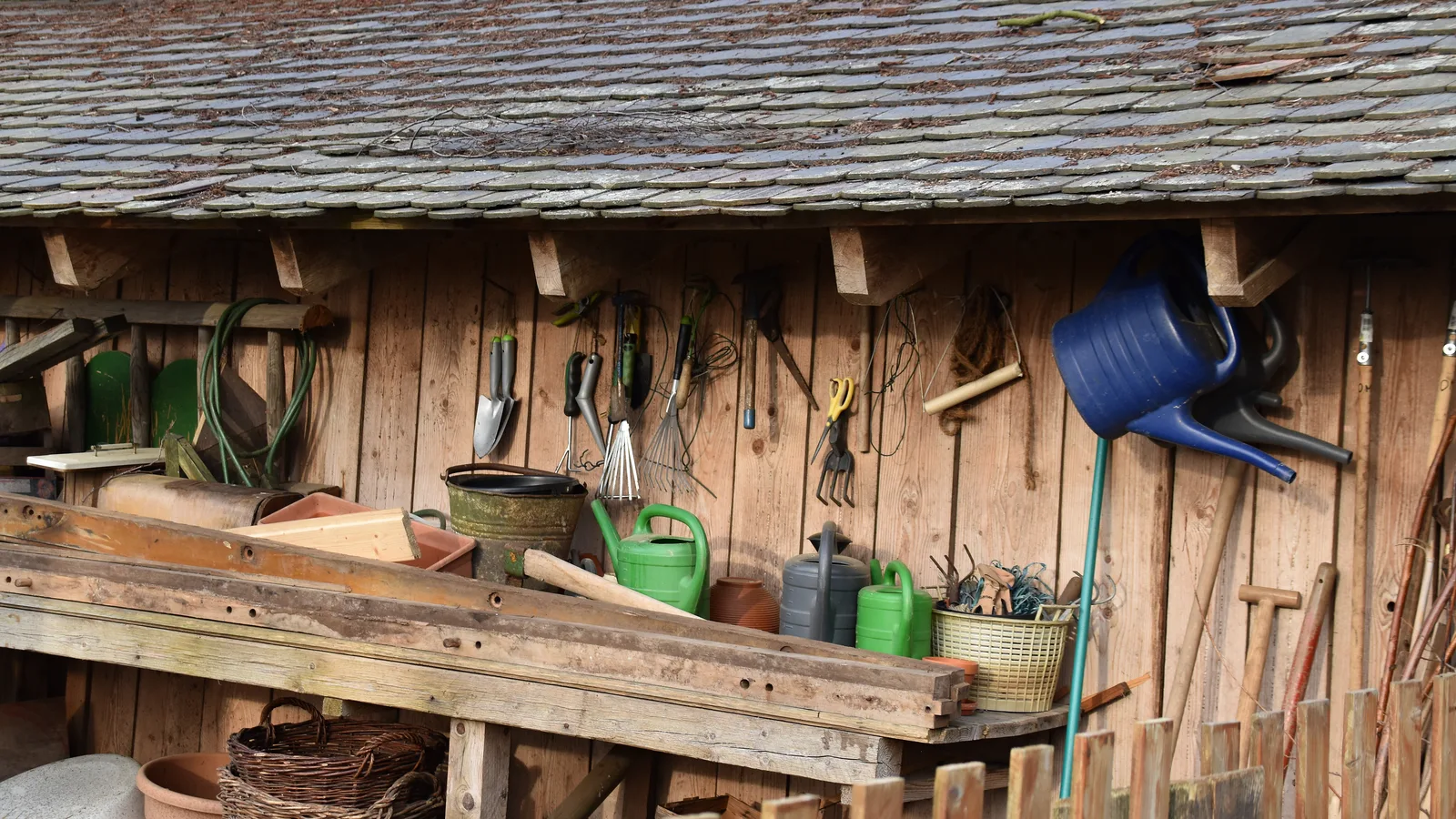
The tools that worked hard all season usually get leaned in a corner of the garage with the soil still on them, and spring starts with a rusted spade, a split hose and a mower that will not start. Extension horticulturists at Purdue University and Clemson University lay out the late-fall routine that prevents most of that, and nearly all of it takes one afternoon.
Shovels, hoes, rakes and trowels
- Knock off caked soil, using steel wool or a steel grill-scrubbing pad on the metal, as Purdue suggests.
- Scrub blades and handles with soap and water.
- Let them dry completely before storing. Moisture left on the metal is what starts the rust.
- Sharpen the edges now rather than in April. Clemson Extension lists mower blades, shovels, pruners and saws, says to replace any blade that cannot be repaired, and notes that many local hardware stores will sharpen for you.
Pruners and wooden handles
Clemson's steps are to wipe pruner blades with a cloth soaked in household oil, and to disinfect pruners with alcohol after each use during the season to avoid carrying plant disease from one shrub to the next. Wooden handles get linseed oil, which keeps the wood from drying out and splitting; Clemson says to keep applying it until the wood stops soaking it in. Clemson's optional extra is a bright painted stripe on each handle, so a tool dropped in the garden next year is easy to spot.
Hoses and sprinklers
Purdue's guidance is to drain all the water from hoses and sprinklers and hang them to dry before coiling them for storage. A hose left outside with water in it is likely to crack and split when that water freezes. While they are out, replace worn washers and fix leaks.
Spreaders, sprayers and leftover chemicals
Rinse and dry the fertilizer or pesticide spreader and oil its moving parts. Rinse pesticide sprayers and let them drip dry. Purdue says to use up leftover products by applying them as the label directs, and to store any that remain in their original, labeled containers, locked in a cabinet or on a shelf at least 4 feet off the ground, where they will not freeze or overheat.
The mower and other power equipment
- When the last mowing is done, run the mower until it is out of fuel. Purdue notes that fuel stabilizers exist but that draining or using up leftover fuel is still the better choice, for the tiller too.
- On four-cycle engines, drain and replace the crankcase oil.
- Change the spark plug and sharpen the blade now.
- Scrape matted grass off the deck. Clemson points out that weed seeds wait under there for spring.
- Lubricate moving parts and grease the fittings where the owner's manual shows them.
The practical step for this weekend: drain and hang the hoses before the next hard freeze, then do the rest in an afternoon, in the order above.
Loading comments…