






Water in an unprotected pipe can freeze after several hours below freezing, and as it expands it can split the pipe, according to Utah State University Extension. The damage often shows up when the pipe thaws and leaks, sometimes inside a wall, under a floor or above a ceiling. The extension services in Nebraska, North Carolina and Utah publish the same core steps for the weeks before the first hard freeze, and most of them take an afternoon.
Step 1: Find the main shutoff
All three extension services start with the main water shutoff valve: where it is and how to close it. Utah State Extension recommends that adults and older children in the house know it, because closing it fast limits the damage from a burst pipe.
Step 2: Disconnect hoses and drain outdoor faucets
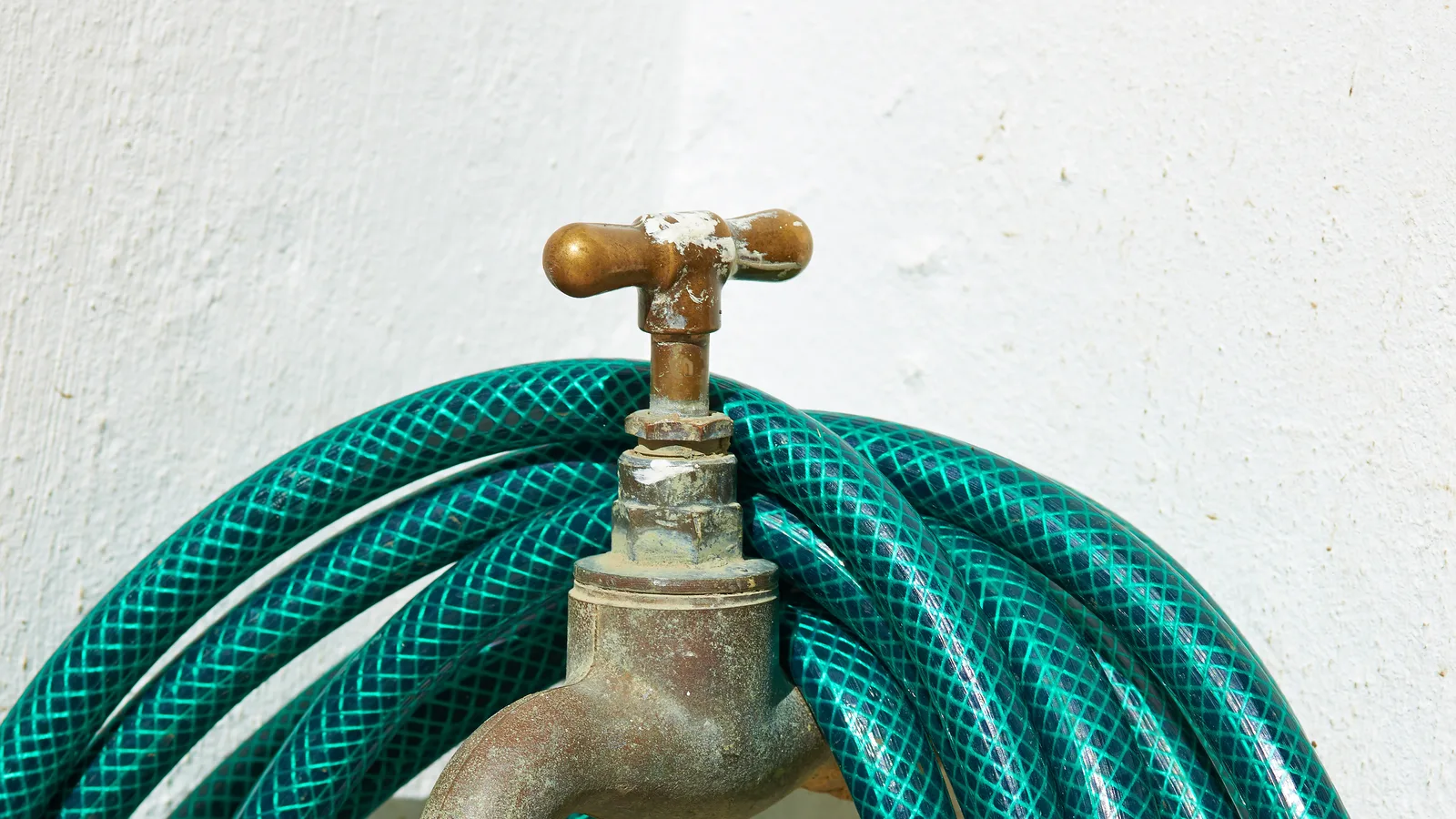
Nebraska Extension in Lancaster County and NC State Extension both start outdoors: disconnect garden hoses from outdoor faucets. Where the house has an indoor shutoff valve on the line feeding an outdoor faucet, Nebraska Extension describes closing that valve and draining the line to the outside faucet, which protects both the faucet and the section of pipe just inside the wall. NC State Extension adds an insulated cover over the outdoor spigot.
Step 3: Insulate exposed pipes
Pipes along exterior walls and in crawl spaces, attics, garages and unheated basements are the ones most exposed. Utah State Extension lists pre-formed foam or fiber pipe sleeves, shaped covers for fittings and foil-faced fiberglass strips held with tape or wire, and says the insulation should cover pipes, fittings and fixtures completely, fit snugly and be taped securely. It notes two limits: wet insulation loses its value, so leaks get fixed first, and insulation slows heat loss but adds no heat, so in a long cold spell it needs a heat source or some water flow to protect the pipe. Both Nebraska and NC State Extension also recommend sealing gaps where cold air comes in around pipes, wiring and dryer vents with caulk or insulation.
Step 4: Use heat cable by the manufacturer's rules
For pipes in spots that stay cold, the extension services mention electric heat tape or thermostatically controlled heat cable, using products certified by an independent testing laboratory and installed by the manufacturer's instructions. The U.S. Consumer Product Safety Commission's long-standing guidance on heat tapes, reissued in 1996, covers how they cause fires: plug a three-prong plug into a grounded three-prong outlet protected by a ground-fault circuit interrupter; do not wrap the tape over itself unless the manufacturer permits it; apply it directly to the pipe, not over pipe insulation; do not cover it with insulation unless the manufacturer says to, and then only with a noncombustible material such as fiberglass, never foam or vinyl; keep the end cap sealed and off the ground; and never use a pipe heat tape on gutters, driveways or fuel lines. The CPSC calls for checking tapes every year for discoloration, especially at the plug, charring, cuts, cracked insulation or bare wire, and replacing any that show them.
Step 5: When the cold arrives
The extension guidance for a cold snap is consistent. Keep the thermostat at the same setting day and night, and no lower than 55 degrees Fahrenheit when away, with someone checking the house daily. Open cabinet doors under sinks on exterior walls so warm room air reaches the pipes. In a long freeze, let a faucet on an outside wall drip; Nebraska Extension suggests warm water overnight. Utah State Extension notes that dripping wastes water and treats it as a backup to the steps above, and points out that hot water lines can freeze too. NC State Extension adds closing foundation vents during long stretches below freezing and reopening them once it warms.
If a pipe freezes anyway
NC State Extension recommends hiring a plumber to thaw a frozen pipe, because thawing it yourself can make the damage worse. Utah State Extension describes the steps for doing it carefully: shut off the main supply, open the faucet on the frozen line, and warm the pipe gradually starting at the faucet end, so steam and meltwater have somewhere to go. Its listed heat sources are a hair dryer, heat lamp, space heater, heat tape or towels soaked in hot water. Both services rule out an open flame, a torch and boiling water, and warn about using electrical appliances around water. If a hot water or main line freezes, the water heater may need to be turned off. If a pipe has burst, NC State Extension says to call a plumber and the insurance agent.
Local plumbing code governs any new outdoor faucet, shutoff valve or heat cable circuit, and a licensed plumber or electrician handles work beyond insulating and draining.
Electrical, gas, roof and ladder work can cause serious injury. Shut off power or gas first, follow the manufacturer's instructions and local code, and hire a licensed pro for anything beyond your experience.
This article reports rules, data and expert guidance. It is not legal, tax, insurance or financial advice. Talk to a licensed pro, your tax advisor or your insurer before you act on it.
Sources
- Utah State University Extension: Advice to Prevent Frozen Pipes
- Nebraska Extension in Lancaster County: Problematic Frozen Pipes Can be Prevented With Routine, Pre-Winter Maintenance
- NC State Extension: Preventing Frozen Pipes
- U.S. Consumer Product Safety Commission: CPSC Re-Issues Heat Tape Guidelines
Loading comments…