












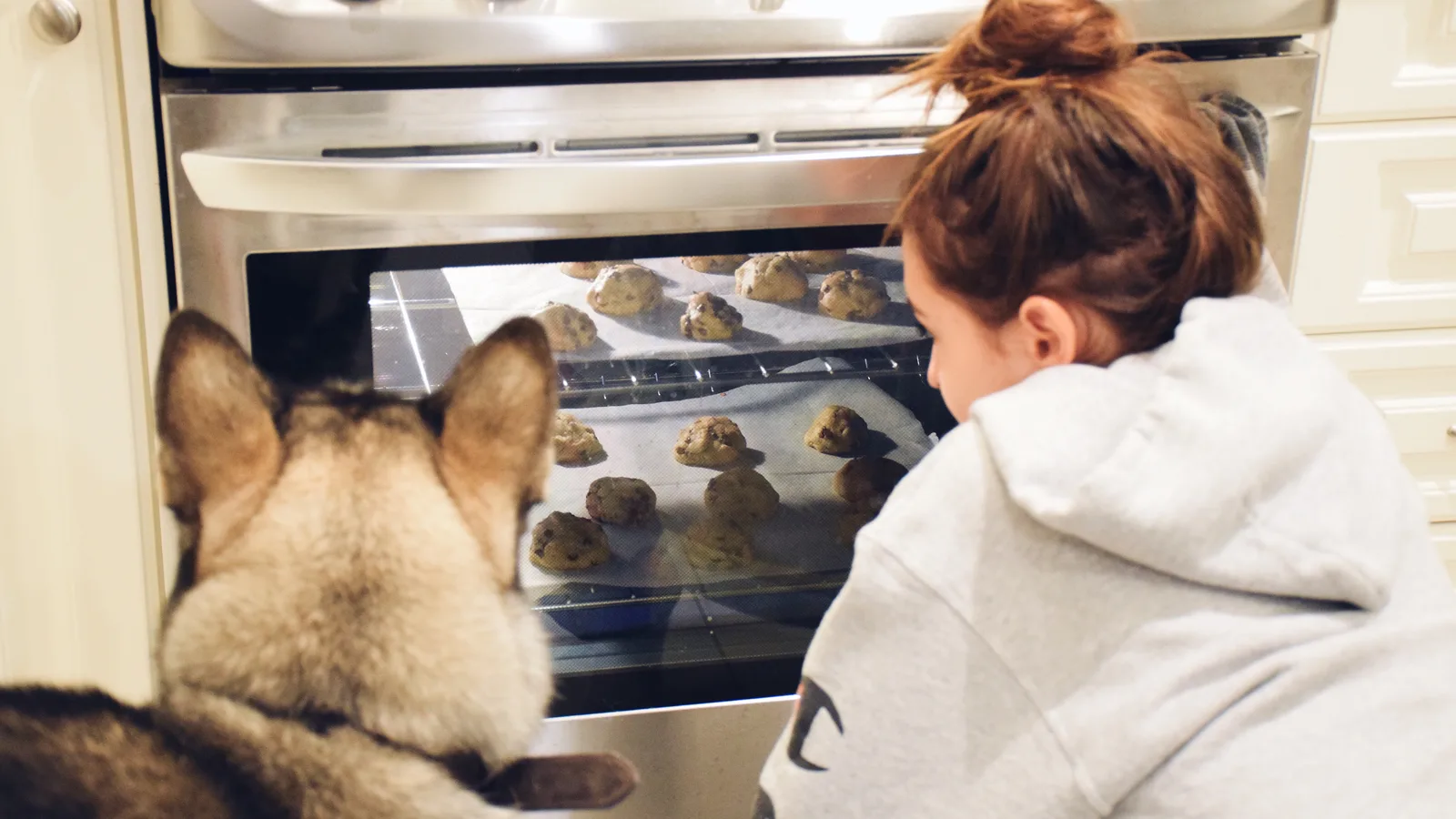
Holiday baking brings more sugar-free sweeteners into some kitchens, and one of them is dangerous to dogs. The Food and Drug Administration warns that xylitol, a sugar substitute that may also be labeled birch sugar or wood sugar, can cause a rapid and severe drop in a dog's blood sugar within 10 to 60 minutes of eating it.
What xylitol does to a dog
Xylitol is a sugar alcohol, slightly lower in calories than sugar. In a dog, FDA explains, it is absorbed into the bloodstream quickly and can set off a strong release of insulin from the pancreas. The result is hypoglycemia, low blood sugar, which can become life-threatening quickly if it is not treated. People do not have this insulin response to xylitol.
The first sign is often vomiting, followed by symptoms of low blood sugar: decreased activity, weakness, staggering, loss of coordination, collapse and seizures. FDA notes that hypoglycemia and other serious effects may not show up for 12 to 24 hours, which is why a dog that ate xylitol may need to be kept in the hospital for monitoring.
Cats appear to be less affected, possibly because they tend not to like sweets, according to FDA. Ferrets can develop low blood sugar and seizures after eating xylitol products.
Where it turns up in a house
FDA's list goes well beyond gum:
- Sugar-free gum, breath mints and sugar-free candy, including mints and chocolate bars
- Baked goods such as cakes, muffins and pies, and bulk xylitol sold for baking at home
- Sugar-free desserts, including reduced-sugar ice cream
- Some peanut and other nut butters
- Cough syrup, over-the-counter medicines and dietary supplements
- Chewable vitamins for children and adults
- Toothpaste and mouthwash
Holiday weeks add two more routes: guests' bags and coats with gum or mints inside, and sugar-free desserts brought to a shared table.
Reading the label
FDA's advice is to check ingredient lists for xylitol, especially on anything marketed as sugar free or low sugar, and to look for its other names, birch sugar and wood sugar. Check the label of a nut butter before using it as a dog treat or to hide a pill. Use only toothpaste made for pets when brushing a pet's teeth, and keep xylitol products, including toothpaste, where a dog cannot reach them.
If a dog eats it
FDA says to call a veterinarian, an emergency clinic or an animal poison control center right away, or to take the dog to a veterinarian or emergency animal hospital immediately. The ASPCA Animal Poison Control Center's number is (888) 426-4435. Because symptoms can be delayed, a dog that seems fine shortly after eating something with xylitol is not yet in the clear.
Problems with pet or human foods and treats can be reported to FDA through the federal Safety Reporting Portal at safetyreporting.hhs.gov or by calling 1-888-INFO-FDA (1-888-463-6332).
Loading comments…